Boeing 777F production has been halted for nearly two months amid a dispute over wing components, according to a Reuters report published Oct. 23, 2026, citing three Boeing workers familiar with the situation. The interruption affects the current-generation widebody freighter assembled in Everett, Washington.
The reported stoppage follows a legal dispute between Boeing and Florida-based supplier Vaero. In an August complaint reviewed by Reuters, Boeing alleged that interrupted deliveries of trailing-edge rib kits prevented wing-assembly work. The account is based partly on court filings and unnamed workers; Boeing declined to confirm the production stoppage to Reuters.
A late-September settlement did not immediately restore the line, according to the workers quoted in the report. Neither a firm restart date nor a verified total number of undelivered aircraft was provided.
Table of Contents
What the Boeing 777F production report establishes
The Reuters investigation identifies a specific part, a trailing-edge rib kit, as central to the disruption. Boeing described Vaero as the sole supplier of that kit in the legal complaint. If an item used early in wing assembly is unavailable, a manufacturer may be unable to complete downstream work even when other components and labor are available.
The report concerns production of new 777 freighters, not a grounding of cargo aircraft already operating with airlines. Nothing in the cited material establishes an airworthiness defect in aircraft already delivered. The distinction matters because a factory interruption and an in-service safety action have very different consequences for operators.
Reuters said Boeing’s related 767 production was also affected, including the commercial freighter and KC-46 military tanker programs. The common issue is wing-component supply, not a separately identified problem with those finished aircraft. The report does not provide a program-by-program accounting of delayed units.
A Boeing 777F production update should therefore focus on factory throughput and supplier recovery. The condition of an individual airline’s operating fleet cannot be inferred from these manufacturing developments.
What Boeing alleged in the Vaero dispute
In its August complaint, Boeing argued that Vaero stopped supplying the critical parts and described their absence as a substantial obstacle to production. Boeing alleged that the disruption could cost it up to $6.5 million a day. That figure is a company’s allegation in litigation, not an independently audited realized loss.
The companies reached a settlement in late September, Reuters reported. A settlement resolves or narrows legal claims under its terms; it does not necessarily mean tools, materials, inspection capacity and delivery schedules return to normal on the same day.
Reuters obtained accounts from three workers who said the freighter line had still not resumed by Oct. 23. Boeing’s refusal to comment on the reported stoppage leaves an important verification gap. The public record cited in the story does not establish whether the company agreed with every assertion in the workers’ descriptions.
For a supplier-quality assessment, the visible questions concern resumption of conforming parts, cleared inspections, work-in-process inventory and the timeline for restoring final assembly. None of those detailed recovery measurements was disclosed in the reporting.
Why the disruption matters to cargo operators
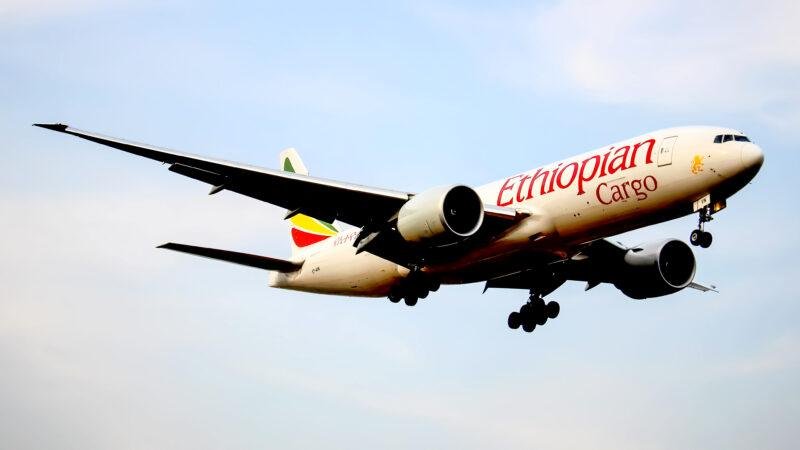
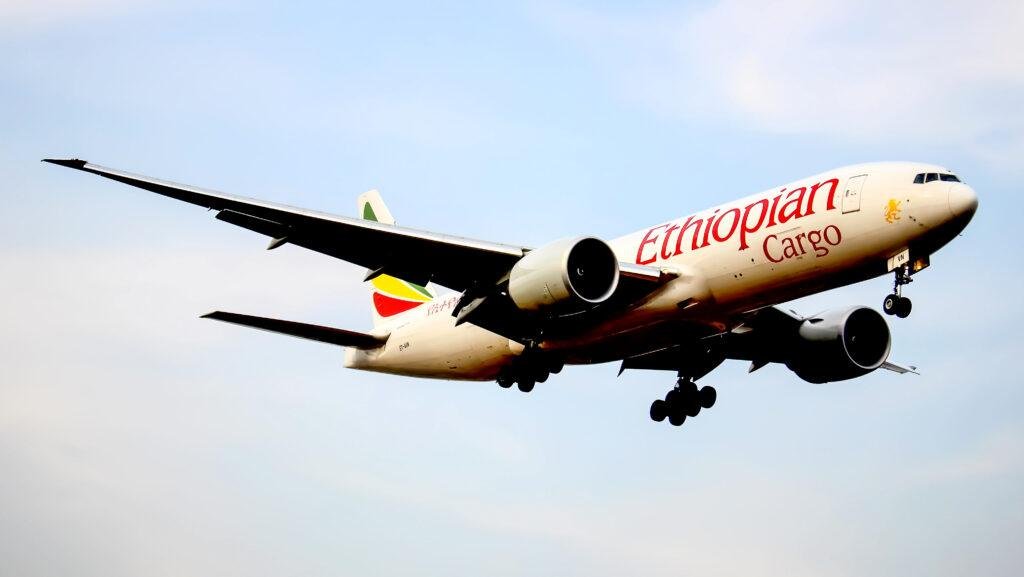
The Boeing 777F is a long-range twin-engine cargo aircraft. Interruptions to new-build output can matter to carriers waiting for additional fleet capacity, even while existing freighters continue normal operations. Whether specific customer handovers slip depends on the manufacturer’s production and delivery plans.
Boeing has separately received an FAA emissions waiver permitting sales of a defined number of additional current-generation 777 freighters after future production requirements take effect. TAD covered that regulatory decision in its earlier 777F emissions waiver report. That waiver and the supplier dispute are separate developments; permission to produce does not guarantee uninterrupted production.
The manufacturer is also developing the newer 777-8 Freighter. The current 777F remains relevant during the transition, but no evidence in the latest Reuters report supports assigning a specific downstream delivery or certification delay to the Vaero dispute.
FAQ: Boeing 777F production
Why has Boeing 777F production reportedly stopped?
Reuters attributed the stoppage to a shortage of wing trailing-edge rib kits following a dispute with supplier Vaero. Boeing did not confirm the line’s operating status to the news agency.
Are Boeing 777F aircraft already flying grounded?
No grounding was reported as a result of this supplier dispute. The reporting addresses manufacturing, rather than an identified safety defect in operating aircraft.
Has Boeing 777F production restarted after the settlement?
Three Boeing workers told Reuters it had not restarted by Oct. 23, despite a late-September settlement. Boeing has not supplied a public restart date in the cited reporting.
Looking Ahead
The next verifiable milestone is an official or independently corroborated restart of assembly, followed by revised delivery information. Boeing has not announced a confirmed date in the reviewed sources. Further court records or company disclosures may clarify the supplier-recovery sequence.
Sources
- Reuters, Oct. 23 — Boeing supplier dispute halts 777 freighter production
- TAD — FAA Grants Boeing 777F Emissions Waiver for 35 Freighters