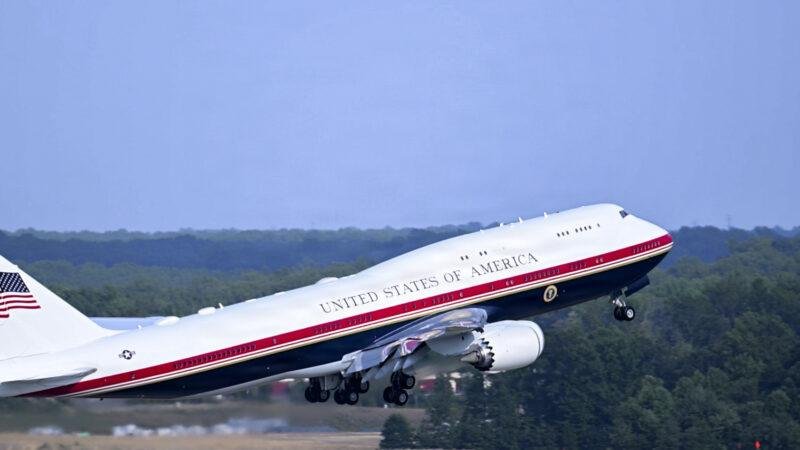
Air Force One C-32A that carried President Donald Trump out of Turkey has become the center of a rare public look at presidential security operations. Trump was secretly moved from the presidential VC-25A to the smaller Air Force One C-32A while departing Turkey on July 8 after U.S. and Turkish intelligence identified what officials described as a credible and imminent missile threat against the president. Details of the operation emerged more than a month later, after The Washington Post and CBS News reported that the Secret Service and military had orchestrated a covert switch involving a catering truck, a decoy aircraft, and a smaller government jet.
Trump has since confirmed the switch publicly, while officials say the threat involved a possible shoulder-fired missile aimed at Air Force One as it left Ankara.
Table of Contents
How the Switch Happened
Trump had flown into Ankara for the NATO summit aboard the newly retrofitted Boeing 747-8 originally donated by Qatar, making its international debut in that role. Ahead of his July 8 departure, Trump announced he would instead leave Turkey aboard the older, familiar VC-25A — the blue-and-white Boeing 747 that has served as Air Force One since the 1990s — saying he wanted to fly it “for old time’s sake.” CBS News has since reported that the Secret Service had also advised the switch for security reasons.
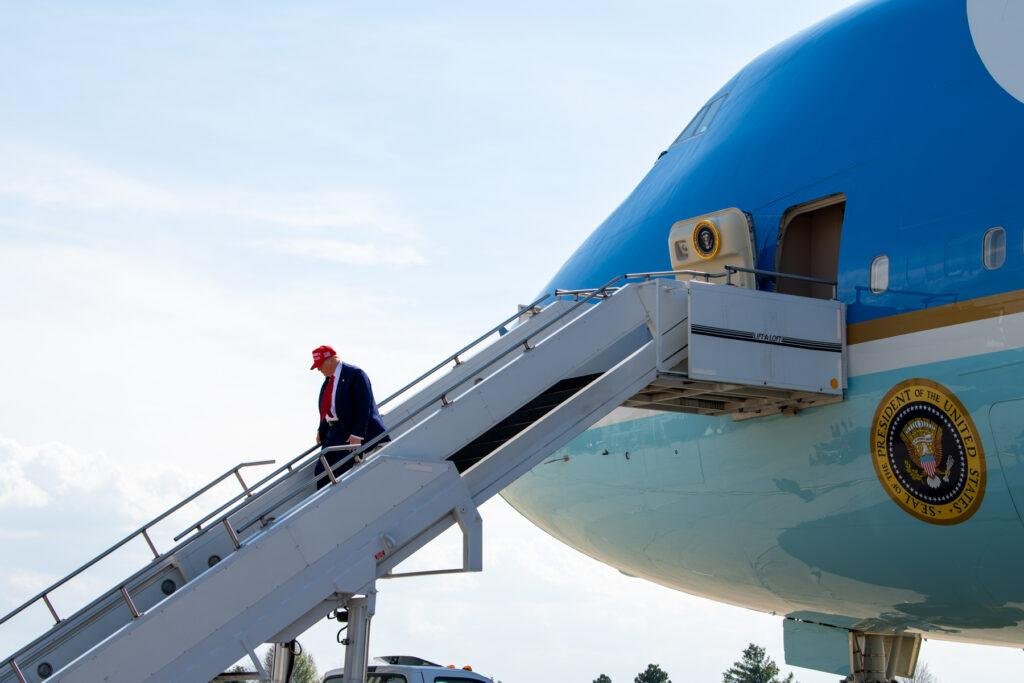
Press footage captured Trump publicly climbing the VC-25A’s stairs in full view of cameras and reporters on the tarmac. Minutes later, an airport catering truck was seen pulling away from the aircraft. According to multiple U.S. officials, Trump was actually inside that truck, along with a small group of aides, and was driven across the airport to a waiting Air Force One C-32A.
The VC-25A then departed Turkey as scheduled, carrying senior officials, White House staff and the traveling press pool — none of whom reportedly knew the president was not aboard.
How the Air Force One C-32A Works
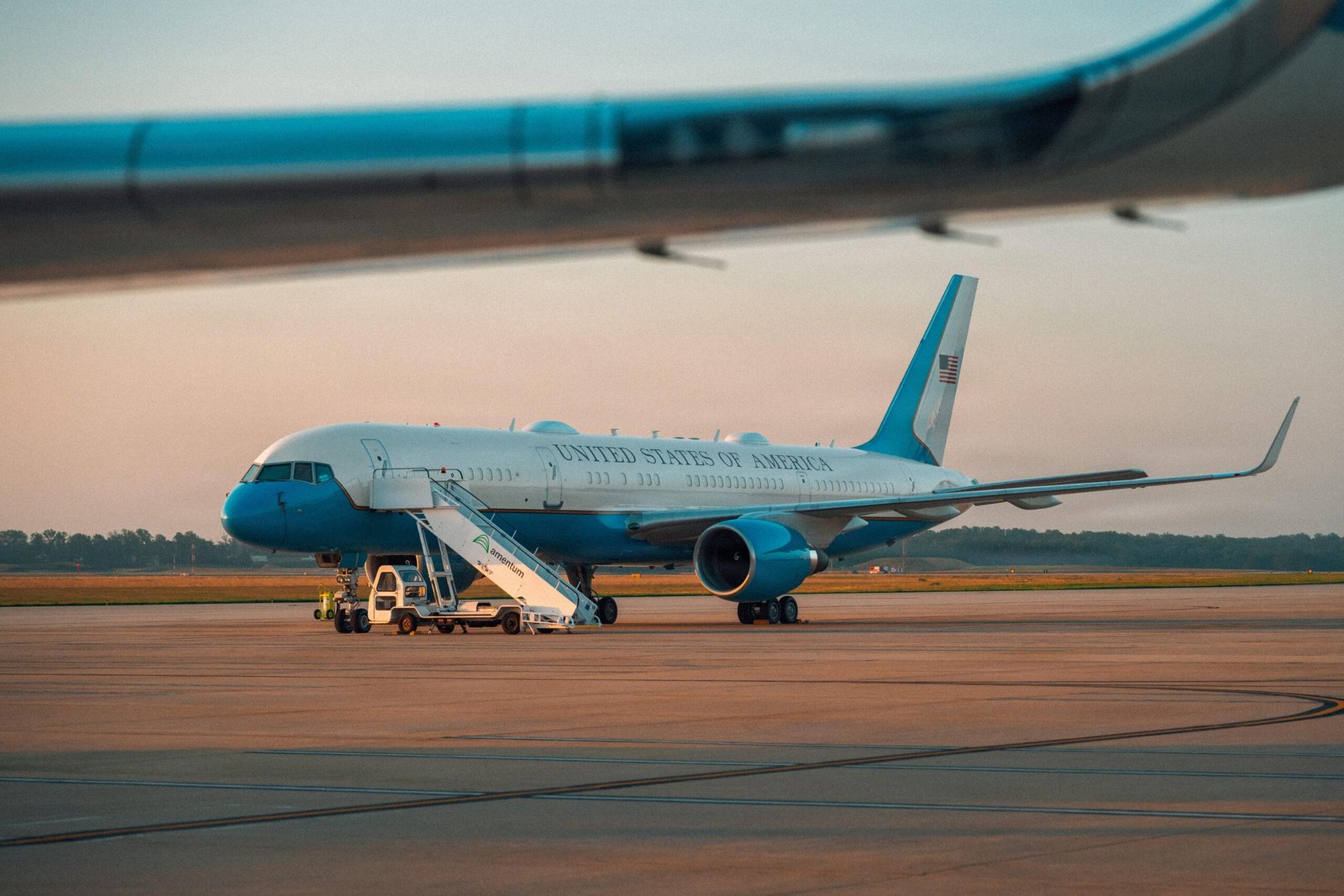
The Air Force One C-32A is a specially configured military derivative of the Boeing 757-200, operated by the U.S. Air Force’s 89th Airlift Wing. Considerably smaller than the 747-based VC-25A, it is routinely used to transport senior government officials — including the vice president, secretary of state and first lady — and is capable of carrying the president when needed.
“Air Force One” isn’t the name of a specific airplane — it’s the air traffic control call sign assigned to any U.S. Air Force aircraft carrying the sitting president. Once Trump boarded the C-32A, that aircraft effectively became Air Force One for the remainder of the flight, even as the more recognizable VC-25A carried that identity publicly.
- Air Force One C-32A: Boeing 757-200 military derivative, operated by the 89th Airlift Wing
- Normally used for the vice president, secretary of state and first lady
- Becomes “Air Force One” by call sign whenever the president is aboard
Air Force One isn’t an airplane — it’s whichever airplane the president happens to be on.
Who Was on Each Plane
Secretary of State Marco Rubio and Treasury Secretary Scott Bessent were among the senior officials who remained aboard the VC-25A, according to CBS News, along with White House communications director Steven Cheung, additional aides, and the traveling press corps. Rubio was reportedly briefed on the operation in advance.
Trump, meanwhile, was joined on the C-32A by a small group of personal aides — reported to include executive assistant Natalie Harp and deputy White House chief of staff Dan Scavino — along with Defense Secretary Pete Hegseth.
Why Such an Extreme Measure Was Taken
Officials familiar with the incident have described the threat as credible and imminent. Ahead of Trump’s departure, the National Security Agency, the CIA, and Turkey’s MIT intelligence service reportedly picked up streams of information pointing to a plot by Iran-aligned proxies to fire a shoulder-fired or surface-to-air missile at Air Force One as it left Ankara.
The threat surfaced amid heightened tensions between the United States and Iran, with Turkey’s proximity to Iran adding to security planners’ concerns. One source briefed on the matter said officials “were scrambling to head off what they thought was a credible, imminent threat,” noting the short timeline left little room to prepare.
Rather than rely solely on the VC-25A’s defensive systems, security officials appear to have changed a more basic assumption an attacker would have been working from: which aircraft actually carried the president.
The Qatari 747-8’s Complicated Role
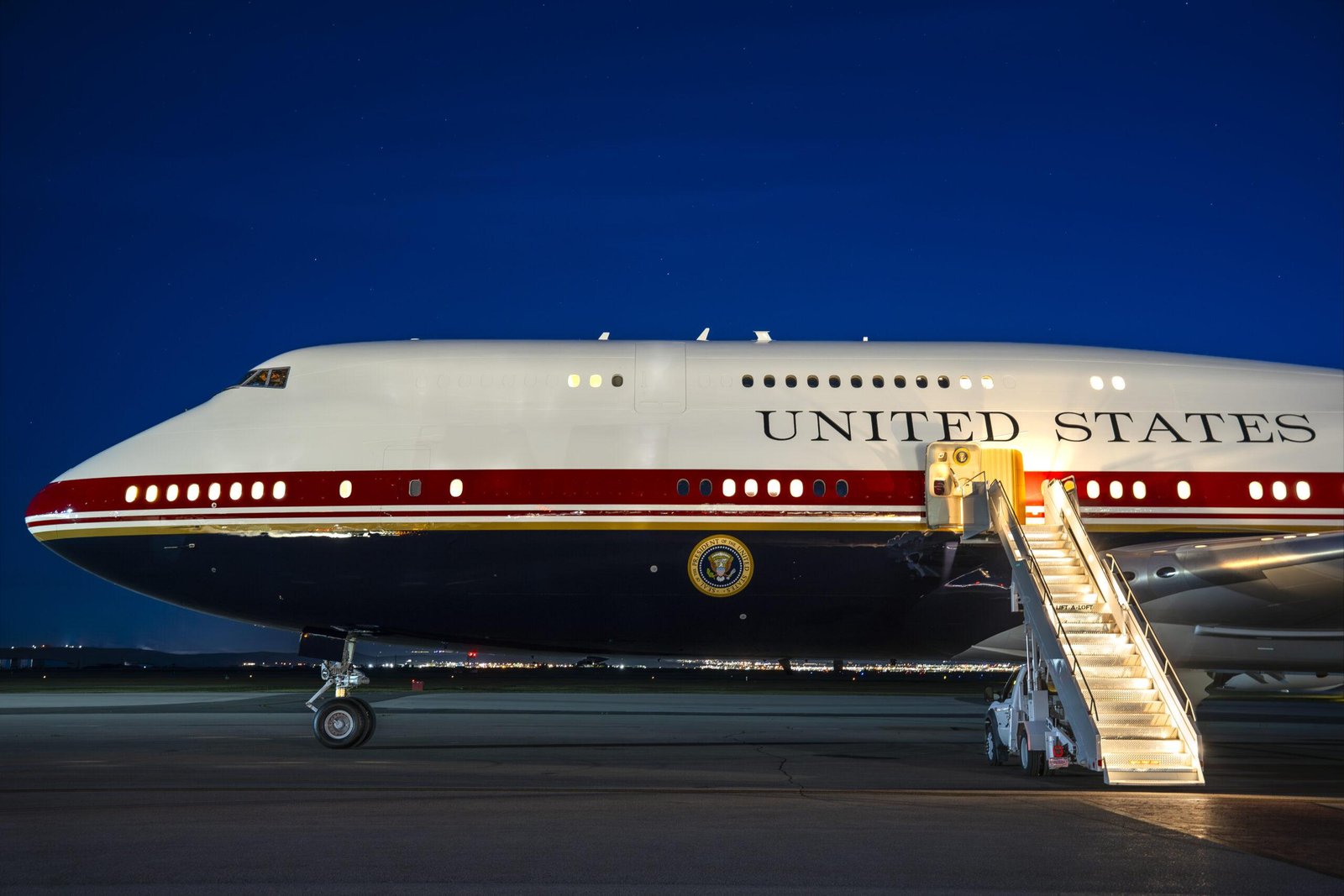
The incident occurred during an unusual transition in the presidential aircraft fleet. Trump had recently begun using a Boeing 747-8 originally provided by Qatar and modified for presidential transport, flying it into Ankara for the summit. But questions had reportedly emerged over whether the aircraft carried the same defensive capabilities as the long-serving VC-25A fleet, and it was not used for the sensitive departure.
Instead, Trump said the Qatari-provided jet would be flown separately to a U.S. military installation so service members could inspect it — a detail he offered publicly before departure, ahead of the security operation that followed.
Trump Has Since Confirmed the Operation
More than a month after the flight, Trump publicly confirmed he had been switched onto the C-32A, saying he wasn’t given many details at the time. Asked about the threat, he said, “I get a lot of threats,” and suggested he believed the smaller aircraft may have carried greater risk than the VC-25A, since it would have been the less obvious target.
After the refueling stop at RAF Mildenhall in the United Kingdom, Trump continued his journey aboard the newer Qatari-provided Boeing 747-8 — meaning at least three different presidential-capable aircraft played a role in the overall trip.
FAQ: Trump’s Air Force One Switch
Why was Trump moved from Air Force One to a C-32A?
U.S. and Turkish intelligence identified a credible, imminent threat — reportedly a plot to fire a shoulder-fired or surface-to-air missile at Air Force One — as Trump prepared to leave Turkey following the NATO summit on July 8.
Is a C-32A considered Air Force One?
Yes, temporarily. “Air Force One” is the call sign for any U.S. Air Force aircraft carrying the sitting president, not a specific airplane. When Trump boarded the C-32A, it became Air Force One for that flight.
Who else was on the C-32A with Trump?
Trump was reportedly joined by aides including Natalie Harp and Dan Scavino, along with Defense Secretary Pete Hegseth, while Secretary of State Marco Rubio and Treasury Secretary Scott Bessent remained aboard the decoy VC-25A.
Looking Ahead
Much of the specific defensive capability built into presidential aircraft remains classified, but the Turkey operation offers a rare public look at how far the presidential airlift system can go when intelligence points to a credible threat — aircraft substitution, operational secrecy and misdirection all becoming part of the security architecture in a matter of hours. Whether the Qatari-provided 747-8 gains additional defensive upgrades before its next high-risk trip will be worth watching.
The Aviation Diary will continue covering developments involving the presidential aircraft fleet, VC-25B modernization, and other major military and government aviation stories.
Source
For additional information about this story:
- CBS News: Trump’s Secret Plane Switch Took Place Within a Day of Credible Iranian Missile Threat
- CBS News: Trump Secretly Switched to Different Plane in Turkey Amid Iran Missile Threat
- Union Leader: Credible Missile Threat Led to Secret Aircraft Switch for Trump, Source Says