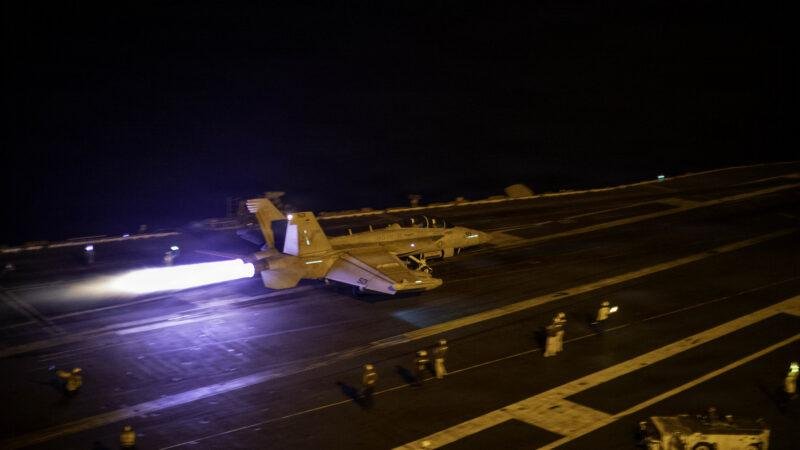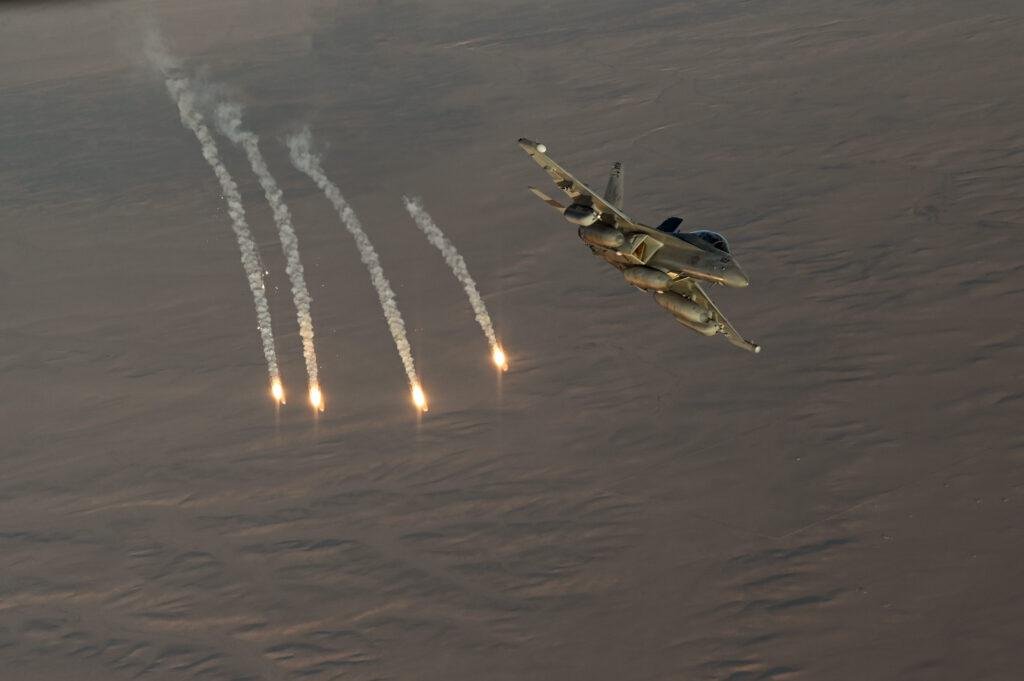
The EA-18G Growler first flight took place 20 years ago this month, and two decades later the Boeing EA-18G remains one of the most specialized aircraft in the U.S. military inventory and a central part of the Navy’s airborne electronic attack mission.
The first aircraft, known as EA-1, flew on August 15, 2006, departing Lambert International Airport in St. Louis, Missouri. Boeing test pilot Ricardo Traven and chief weapons system operator Rick Junkin were at the controls.
The milestone marked the beginning of a new era for U.S. Navy electronic warfare. Two decades on, Boeing is commemorating the anniversary while work continues to upgrade the aircraft for increasingly complex threats in the electromagnetic spectrum.
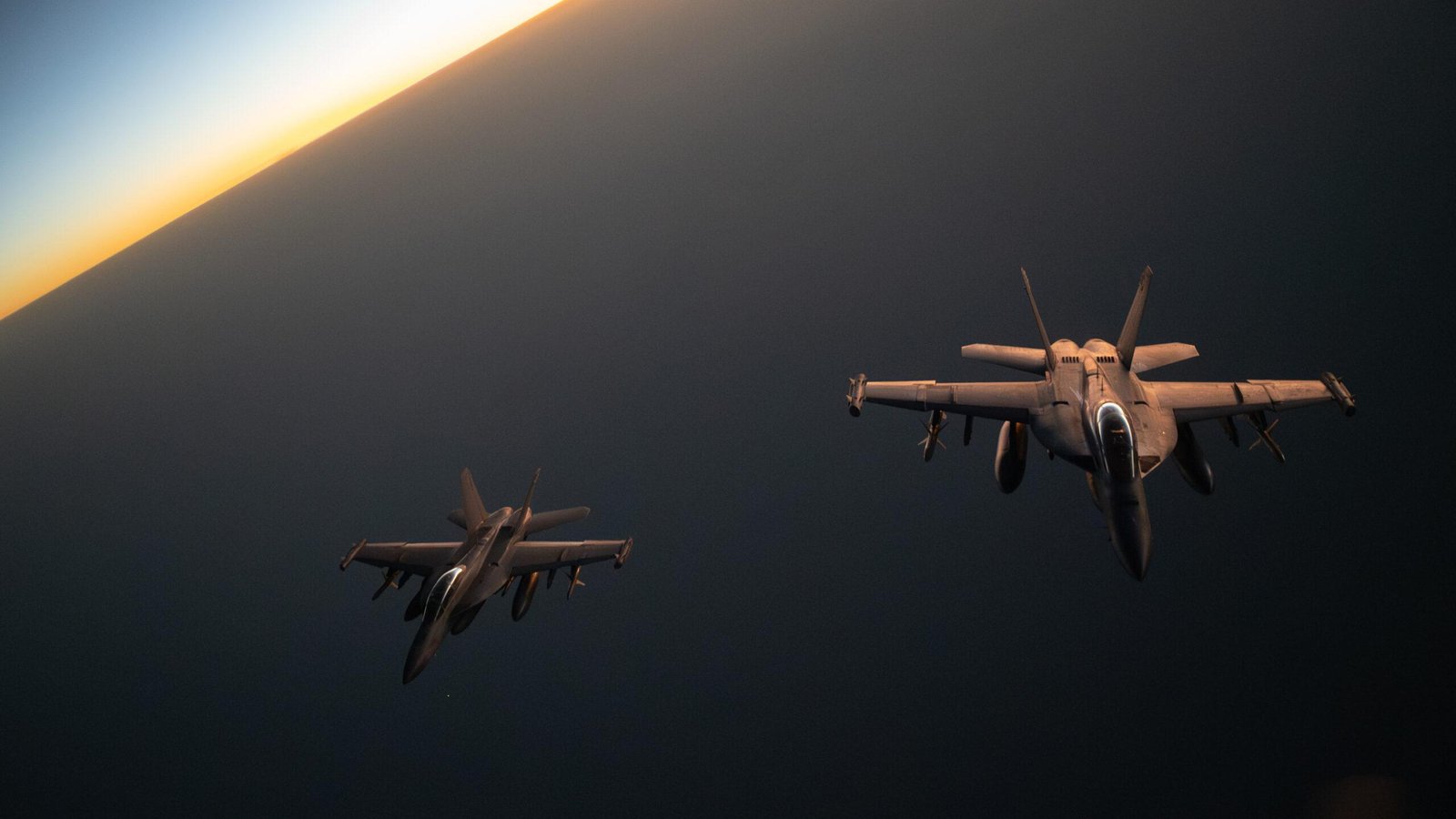
Table of Contents
From Super Hornet to Electronic Warrior
The EA-18G is derived from the two-seat F/A-18F Super Hornet, but replaces much of the fighter’s traditional mission equipment with a sophisticated electronic warfare suite.
Its primary mission is Airborne Electronic Attack, allowing the aircraft to detect, identify, disrupt and suppress hostile radar and communications systems. The Growler can support strike packages by interfering with enemy air defenses while also carrying weapons for self-defense and suppression-of-enemy-air-defense missions.
The aircraft was developed as a replacement for the EA-6B Prowler, which had served as the Navy’s primary electronic attack aircraft for decades.
Development of the Growler formally began in December 2003. The aircraft received the official “Growler” designation in November 2005, followed by EA-1’s maiden sortie nine months later.
The Navy describes the EA-18G as combining the proven F/A-18F platform with an advanced electronic warfare suite while retaining many of the Super Hornet family’s multi-mission capabilities.
Inside the EA-18G Growler First Flight
The EA-18G Growler first flight was a comparatively quiet event by the standards of a new combat aircraft debut. EA-1 was not a clean-sheet airframe but a converted Super Hornet, and the August 2006 sortie from St. Louis was aimed at validating that the electronic warfare modifications had not compromised the underlying aircraft’s handling.
Several details of that first sortie stand out two decades later:
- Date: August 15, 2006
- Departure point: Lambert International Airport, St. Louis, Missouri
- Crew: Boeing test pilot Ricardo Traven and chief weapons system operator Rick Junkin
- Aircraft: EA-1, the first EA-18G configured airframe
- Timing: roughly nine months after the “Growler” name was formally adopted
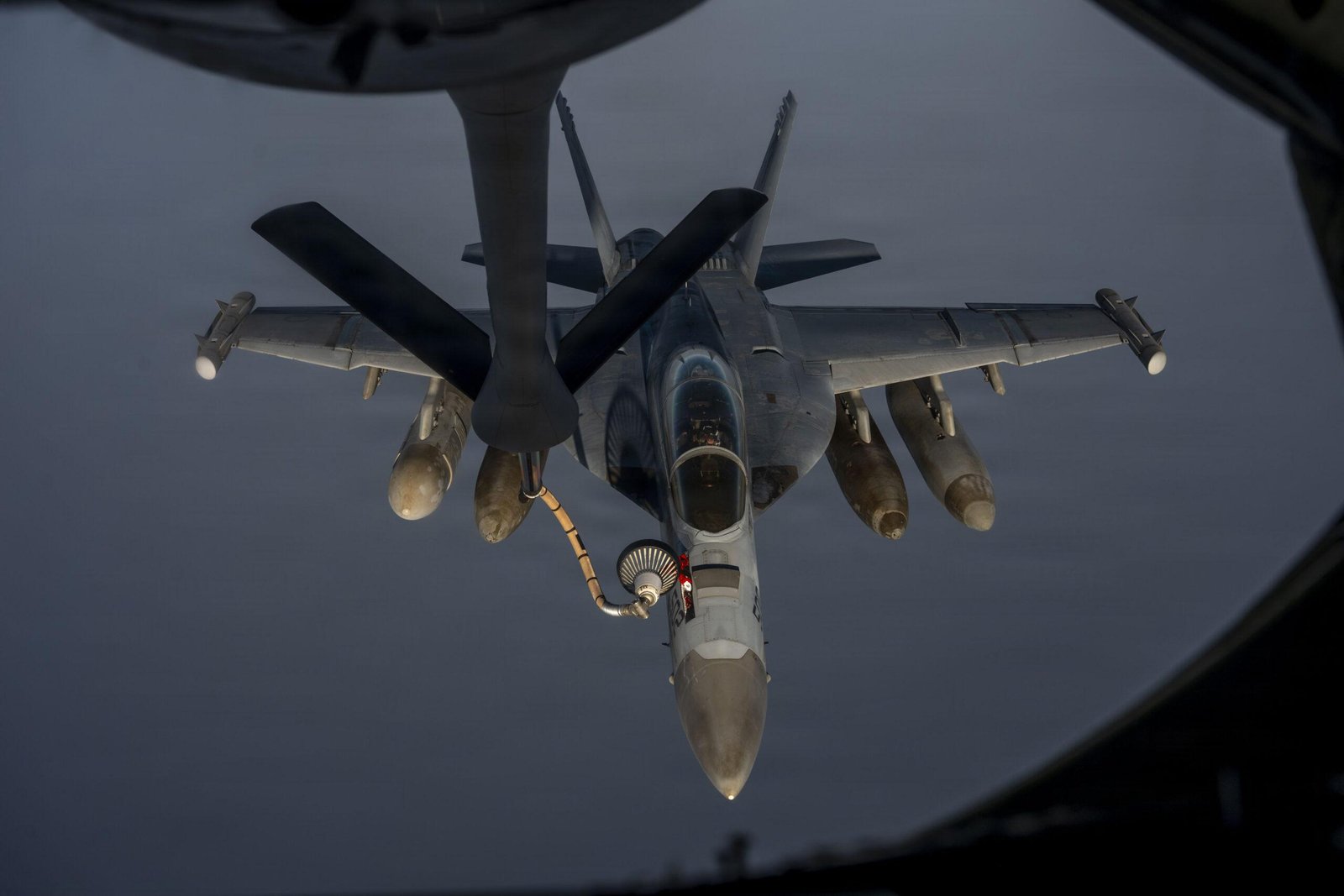
The Growler was never meant to win a dogfight. It was built to make the enemy’s radar screens go blank long enough for everyone else to get the job done.
The Aviation Diary
From Flight Test to the Fleet
The Growler program moved quickly following the 2006 maiden flight.
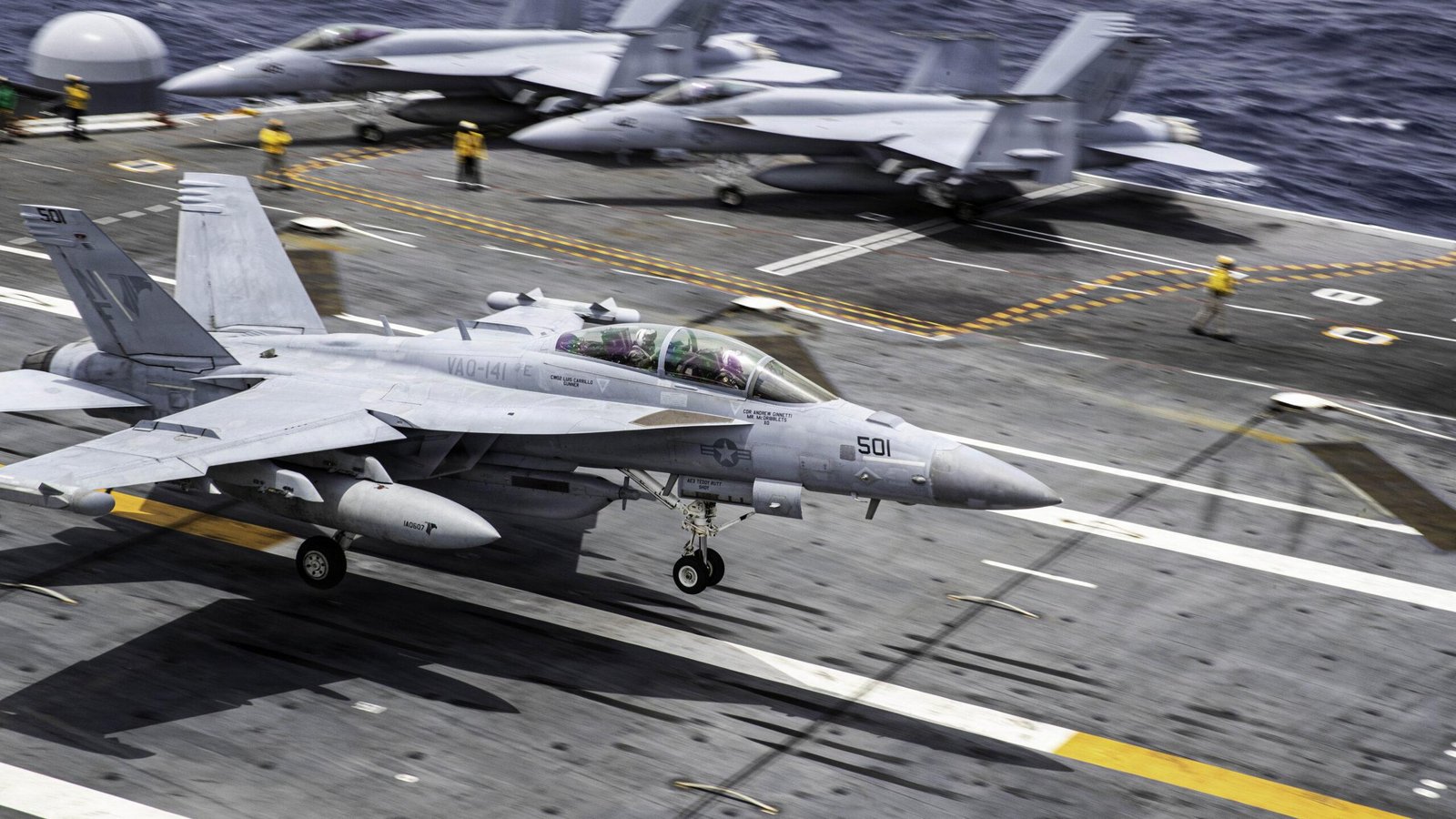
The first EA-18G was delivered to the Naval Air Test Center at Patuxent River, Maryland, in September 2006. Boeing delivered the first fleet aircraft to Electronic Attack Squadron 129 (VAQ-129) at Naval Air Station Whidbey Island in June 2008.
The Growler achieved Initial Operational Capability in 2009, and the aircraft later entered combat during Operation Odyssey Dawn over Libya in 2011.
Boeing delivered the 100th EA-18G to the Navy in 2014.
The program also gained an international operator when Australia selected the aircraft. The first Royal Australian Air Force Growler was unveiled in 2015, making Australia the first country outside the United States to operate the type.
Fighting in the Electromagnetic Spectrum
Unlike a conventional fighter, much of the Growler’s combat power comes from what it can detect and disrupt rather than simply the weapons carried beneath its wings.
The aircraft’s electronic warfare equipment has included the AN/ALQ-218 receiver, ALQ-99 tactical jamming system, communications countermeasures equipment and tactical data capabilities. It also retains the AN/APG-79 AESA radar associated with the Super Hornet family.
These systems allow Growler crews to detect electromagnetic emissions, locate threats and interfere with enemy radar and communications.
That capability can provide protection not only for the Growler itself but for an entire strike package, including aircraft such as the F/A-18E/F Super Hornet and F-35 Lightning II.
The Growler can perform both stand-off jamming, operating at distance from hostile defenses, and escort jamming, accompanying aircraft closer to contested airspace.
The Next Generation Jammer
Reaching a 20th anniversary does not mean the Growler is standing still.
One of the most significant changes is the arrival of the AN/ALQ-249 Next Generation Jammer, designed to eventually replace the long-serving ALQ-99 family.
The Next Generation Jammer uses modern digital and electronically scanned-array technology to provide greater power, range and adaptability against evolving electronic threats.
The Next Generation Jammer Mid-Band, or NGJ-MB, entered production and the first production pods were delivered to the fleet in 2023. Development is also continuing on the Next Generation Jammer Low Band system.
Growler Block II
Boeing and the Navy are also pursuing broader upgrades through the Growler Capability Modification program and the developing Growler Block II configuration.
According to Boeing, planned improvements include greater processing power, enhanced threat-detection capabilities and integration of Next Generation Jammer systems. Growler Block II is intended to further improve the aircraft’s electronic warfare capabilities as threats continue to evolve.
The Navy has previously described Block II improvements as including major increases in onboard processing and electronic warfare algorithms, along with cockpit and mission-system enhancements.
FAQ: EA-18G Growler First Flight and Fleet Service
When was the EA-18G Growler first flight?
The EA-18G Growler first flight took place on August 15, 2006, when the aircraft designated EA-1 departed Lambert International Airport in St. Louis, Missouri, with Boeing test pilot Ricardo Traven and weapons system operator Rick Junkin aboard.
What aircraft did the EA-18G Growler replace?
The Growler replaced the EA-6B Prowler, which had served as the U.S. Navy’s primary carrier-based electronic attack aircraft for decades. The EA-18G brought that mission onto the far newer F/A-18F Super Hornet airframe.
Does any country besides the United States operate the EA-18G?
Yes. Australia is the only export operator. The first Royal Australian Air Force Growler was unveiled in 2015, making Australia the first and so far only nation outside the U.S. to fly the type.
Twenty Years After the EA-18G Growler First Flight
The anniversary marks 20 years since the EA-18G Growler first flight, rather than 20 years of operational fleet service — a distinction worth keeping straight, since squadron deliveries did not begin until 2008.
From EA-1’s departure from St. Louis in August 2006 to today’s carrier air wings, the aircraft has evolved from the successor to the EA-6B Prowler into a key element of U.S. and allied electronic warfare capability.
And with Next Generation Jammer, continuing fleet modifications and Growler Block II development underway, the aircraft that first flew two decades ago is being prepared for a battlefield where control of the electromagnetic spectrum is becoming increasingly important.
Sources
For additional information about this story: