Every year on August 19, the United States celebrates National Aviation Day, honoring the pioneers, engineers, pilots, maintainers and countless others who transformed humanity’s dream of flight into an industry that connects the world. National Aviation Day 2026 falls on the 155th anniversary of Orville Wright’s birth.
The date is no coincidence.
August 19 is the birthday of Orville Wright, who was born in Dayton, Ohio, in 1871 and, alongside his brother Wilbur, helped usher in the age of powered flight.
The observance offers an opportunity to look back at how far aviation has traveled, from a fragile aircraft flying just 120 feet over the sands of North Carolina to today’s global fleets of airliners, advanced military aircraft and experimental machines pushing toward the next generation of flight.
Table of Contents
Why National Aviation Day Is Celebrated on August 19
National Aviation Day dates back to 1939, when President Franklin D. Roosevelt designated August 19 as a day to celebrate aviation and encourage public interest in flight.
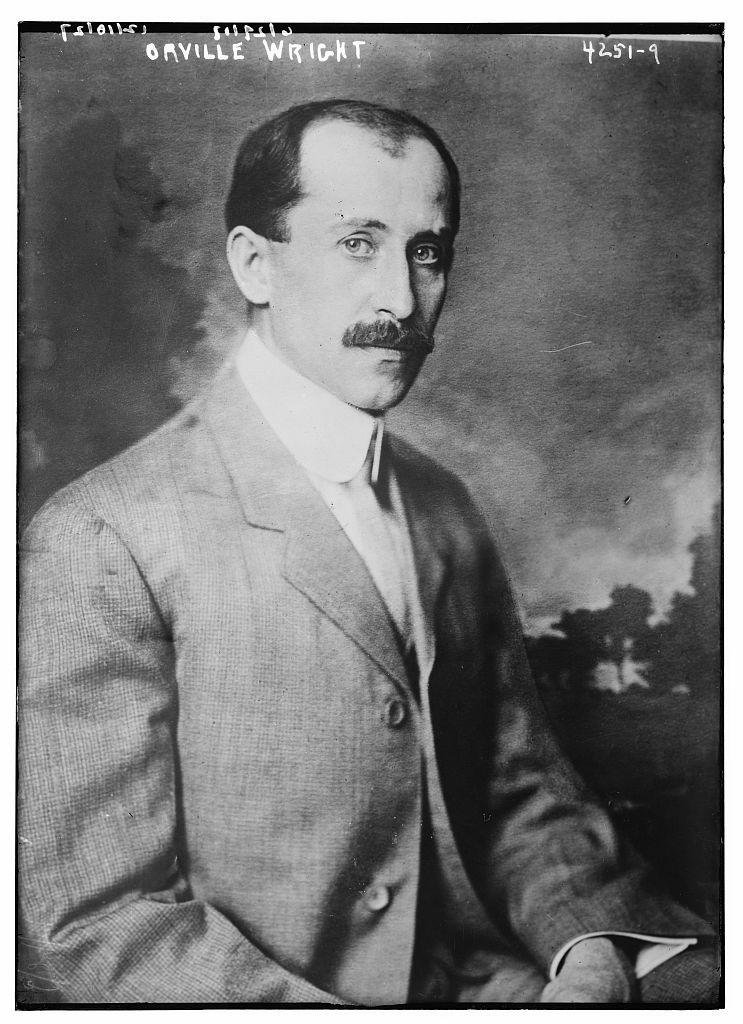
Roosevelt selected the date in honor of Orville Wright’s birthday. Remarkably, Wright was still alive when the observance was established.
The designation was later codified in federal law, allowing the sitting president to proclaim August 19 as National Aviation Day and encourage Americans to recognize the importance of aviation.
More than eight decades later, the aviation community continues to observe the occasion.
But the story behind the day goes back even further.
Twelve Seconds That Changed the World
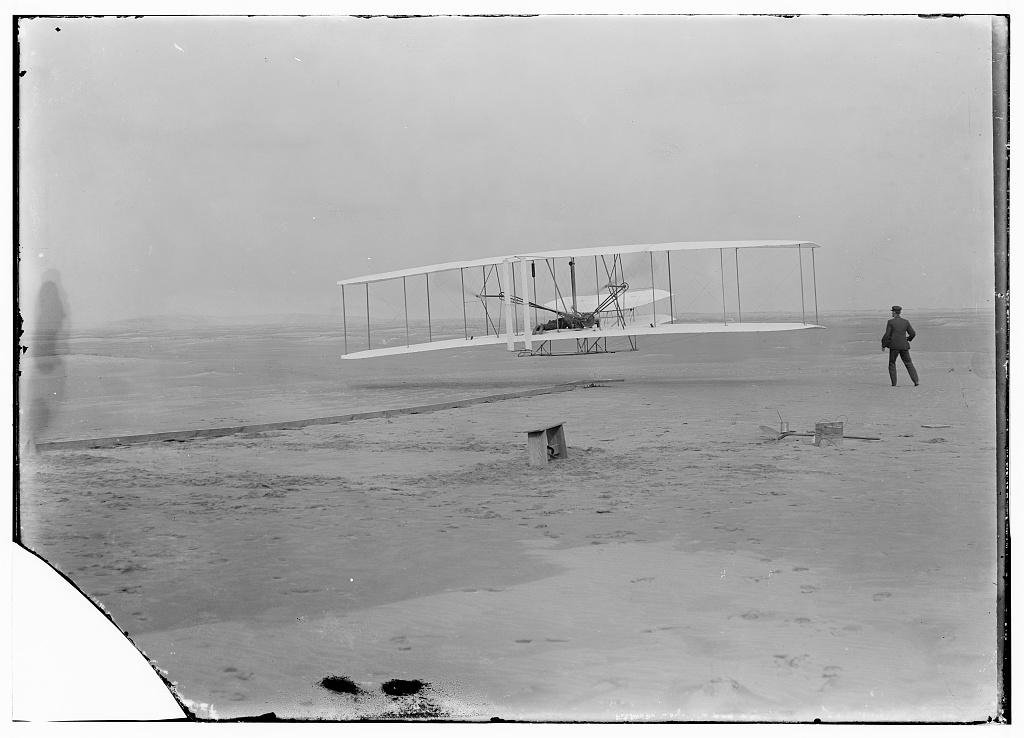
On the morning of December 17, 1903, Orville and Wilbur Wright brought their Wright Flyer to the windswept dunes near Kitty Hawk, North Carolina.
At approximately 10:35 a.m., Orville took the controls.
The aircraft left the ground.
The flight lasted only about 12 seconds and covered approximately 120 feet.
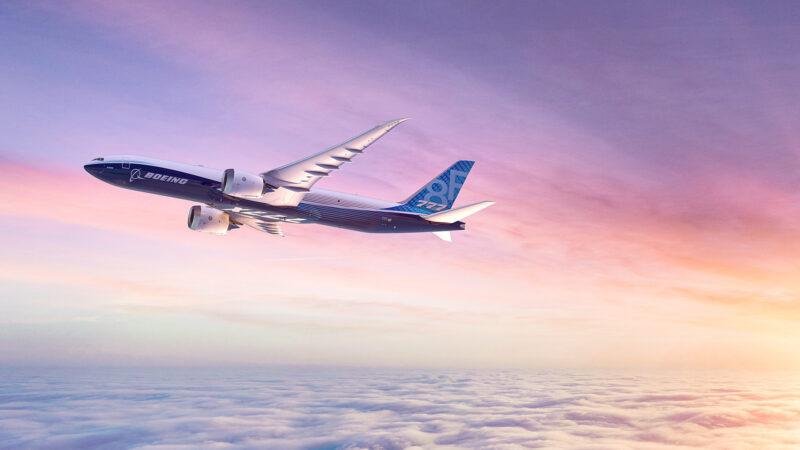
Measured against modern aviation, those numbers seem almost impossibly small. A Boeing 777 is longer than the entire distance traveled during that first flight.
Every generation believes it is witnessing the mature form of the airplane. Then another generation of engineers proves otherwise.
But those 120 feet changed history.
For the first time, a powered, heavier-than-air flying machine had achieved sustained and controlled flight with a pilot aboard.
The brothers weren’t finished.
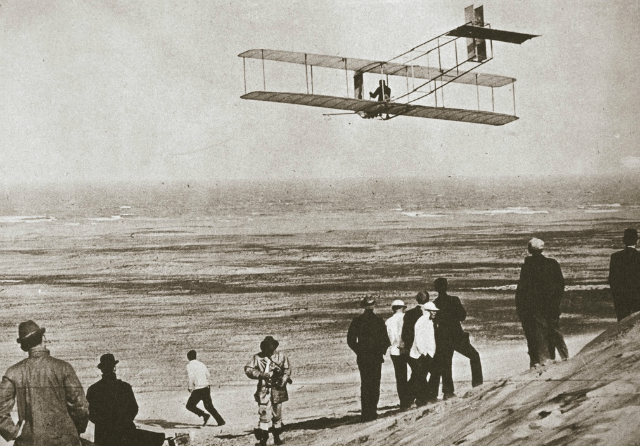
They completed four flights that day, alternating at the controls. The final and longest flight, piloted by Wilbur, remained airborne for 59 seconds and traveled 852 feet.
The age of powered aviation had begun.
The Wright Flyer Was More Than an Airplane
The Wright brothers’ achievement wasn’t simply a lucky flight.
Their work represented years of experimentation and engineering.
Beginning in the late 1890s, Wilbur and Orville studied previous attempts at flight, experimented with kites and gliders and developed their own methods for understanding aerodynamic forces.
They even constructed a wind tunnel to test different wing shapes.
Their work helped establish principles of aircraft control and experimental flight testing that would influence aviation engineering for generations.
The resulting 1903 Wright Flyer was a canard biplane powered by a four-cylinder engine producing approximately 12 horsepower. The engine drove two pusher propellers through a chain-and-sprocket system.
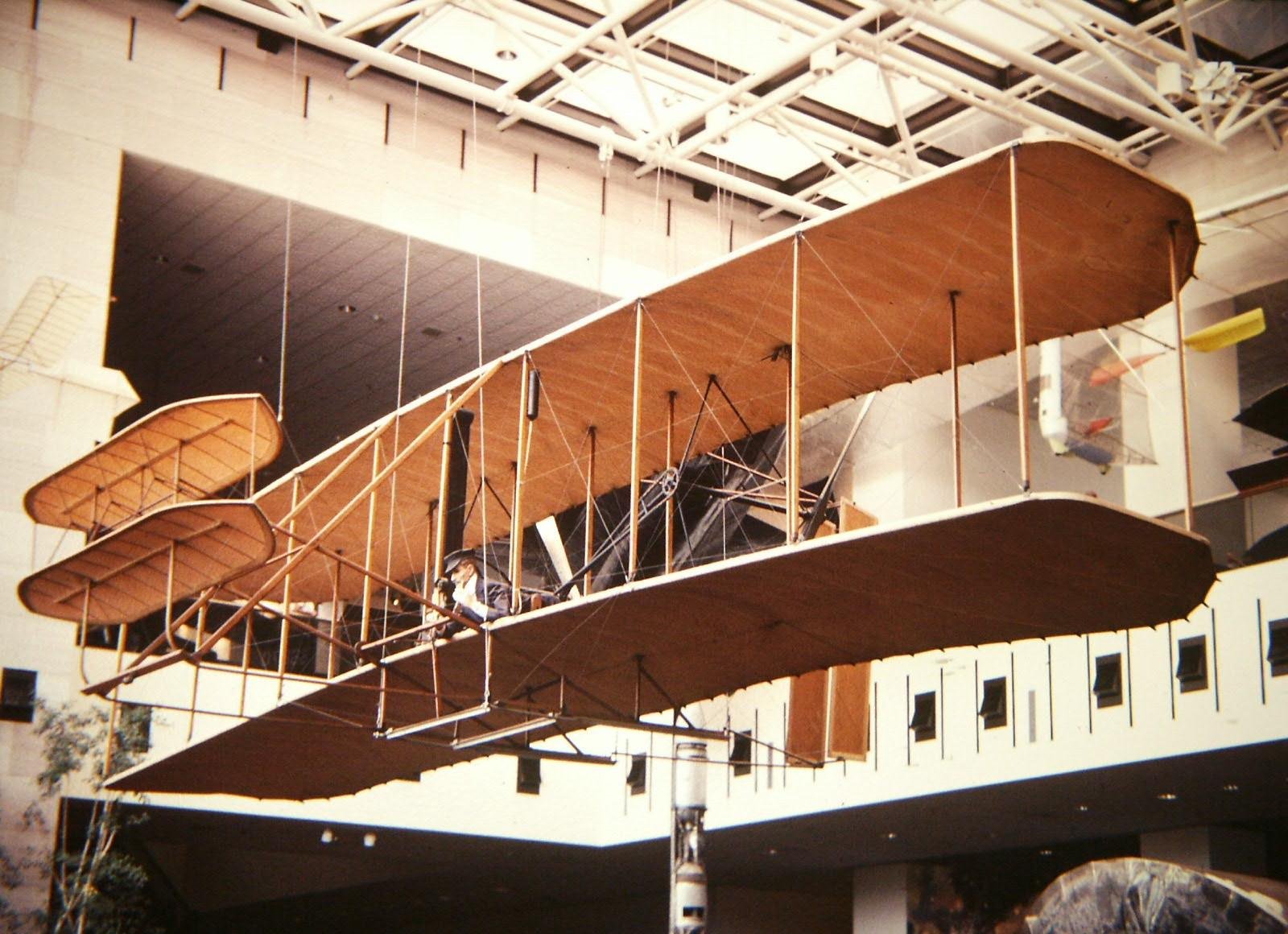
Compared with today’s aircraft, it was extraordinarily simple.
But its importance cannot be overstated.
The original Wright Flyer is now preserved by the Smithsonian’s National Air and Space Museum as one of the most historically significant aircraft ever built.
From 120 Feet to a Global Aviation Network
The transformation that followed the Wright brothers’ first flight happened at extraordinary speed.
Within decades, aircraft had evolved from experimental machines into practical transportation and military platforms.
- Aviation connected cities and continents, and aircraft began crossing oceans
- Airliners started carrying millions of passengers each year
- Jet propulsion transformed both commercial and military aviation
- Helicopters introduced entirely new operational capabilities
- Supersonic aircraft pushed beyond the speed of sound
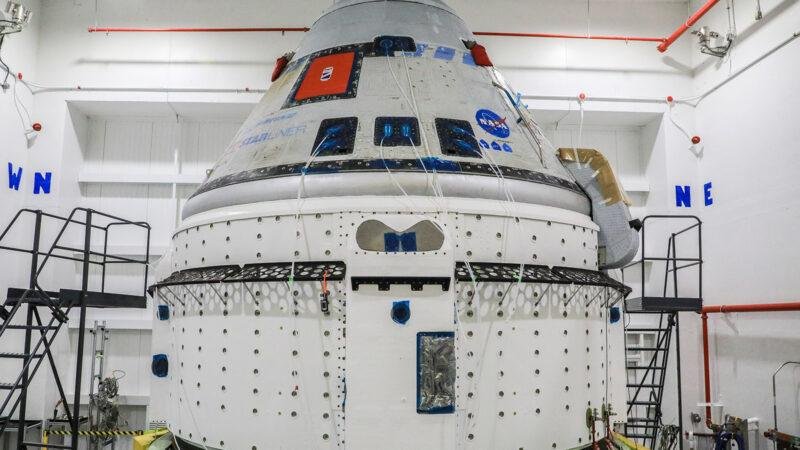
- Spaceflight grew from many of the same engineering disciplines developed through aviation research
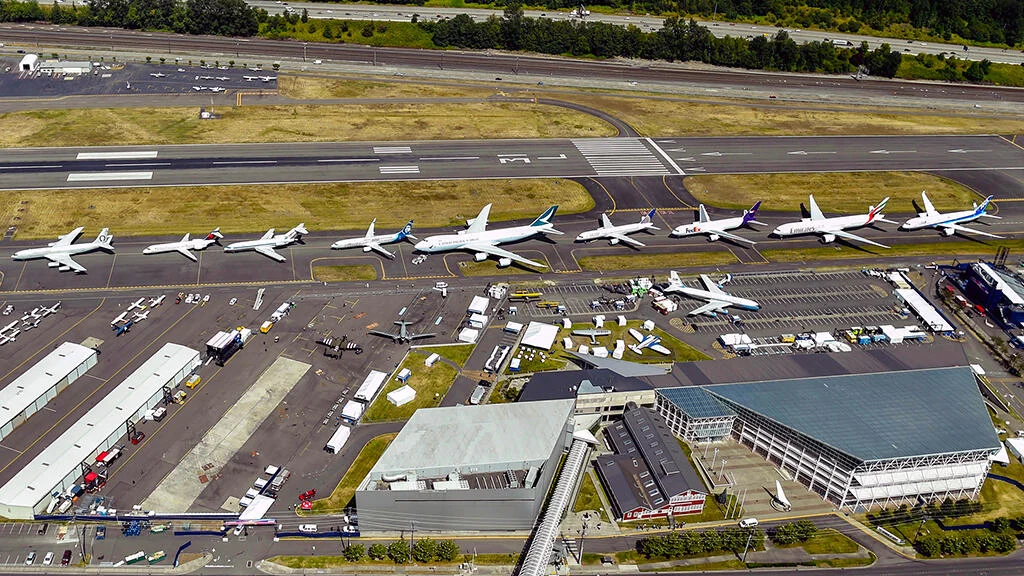
Today, tens of thousands of aircraft operate around the world each day.
Commercial airliners routinely cross distances that would have seemed unimaginable in 1903. Military aircraft combine stealth, advanced sensors, electronic warfare and precision weapons. Cargo aircraft move critical supplies across continents in hours.
General aviation supports business, training and transportation, while helicopters perform everything from medical evacuation to search-and-rescue missions.
And the evolution hasn’t stopped.
The Next Era of Flight Is Already Taking Shape
National Aviation Day isn’t only about looking backward.
Aviation is once again going through a period of rapid technological change. NASA and aerospace companies are researching technologies that could reshape how aircraft operate in the decades ahead.
Electric and hybrid-electric propulsion could create new possibilities for smaller aircraft and regional transportation.
Advanced air mobility concepts are exploring new ways of moving passengers and cargo through and around cities.
Autonomous systems are steadily expanding the capabilities of unmanned aircraft.
Researchers continue working on quieter supersonic technology that could potentially make high-speed passenger travel over land more practical.
Meanwhile, new materials, manufacturing techniques, propulsion systems and increasingly sophisticated digital technologies are changing how aircraft are designed, built, maintained and flown.
The aircraft of 2050 may look very different from those flying today.
That is exactly what makes aviation history so fascinating.
Every generation believes it is witnessing the mature form of the airplane. Then another generation of engineers proves otherwise.
Aviation Is More Than the Aircraft
National Aviation Day also recognizes something that can sometimes disappear behind spectacular aircraft photographs.
Aviation works because of people.
Pilots may occupy the most visible seats, but every safe flight depends on an enormous network of professionals:
- Engineers who design and certify aircraft, and the manufacturing teams who build them
- Mechanics and technicians who keep airframes airworthy
- Air traffic controllers managing increasingly complex airspace
- Airport workers keeping aircraft and passengers moving
- Dispatchers, meteorologists and flight planners supporting safe operational decisions
- Researchers testing technologies that may not enter service for decades
- Military aviators and support personnel operating in some of the most demanding environments imaginable
And millions of aviation enthusiasts, photographers, historians and future aviators help preserve the culture and history surrounding flight.
National Aviation Day belongs to all of them.
Celebrating 122 Years of Powered Flight
As of National Aviation Day 2026, it has been nearly 123 years since the Wright Flyer first left the ground — the 123rd anniversary of that first flight arrives on December 17.
Consider the scale of that transformation.
Humanity went from a 12-second flight covering 120 feet in 1903 to routine intercontinental travel, aircraft carriers launching jets at sea, stealth aircraft operating across continents, helicopters hovering over cities and spacecraft carrying humans beyond Earth’s atmosphere.
And aviation is still evolving.
That may ultimately be the best way to celebrate National Aviation Day.
Remember where flight began, appreciate the people who brought aviation to where it is today and keep looking toward whatever comes next.
Because somewhere, right now, an engineer is sketching an idea, a student is learning how an airplane flies, a mechanic is preparing an aircraft for its next mission, and a young aviation enthusiast is looking toward the sky wondering what it would be like to fly.
More than a century after Orville Wright traveled those first 120 feet, that same curiosity continues to push aviation forward.
Happy National Aviation Day from The Aviation Diary.
Aviation. Defense. Space.
FAQ: National Aviation Day
When is National Aviation Day 2026?
National Aviation Day 2026 falls on Wednesday, August 19. The date is fixed each year and marks the birthday of Orville Wright, who was born August 19, 1871.
Who created National Aviation Day and why?
President Franklin D. Roosevelt established the observance in 1939 to encourage public interest in aviation. He chose August 19 to honor Orville Wright, who was still living at the time. The designation was later written into federal law.
How long was the first Wright Flyer flight?
The first flight on December 17, 1903, lasted roughly 12 seconds and covered about 120 feet with Orville at the controls. The brothers flew three more times that day, with Wilbur’s final attempt reaching 852 feet in 59 seconds.
Sources
For additional information about this story:
- NASA — Orville Wright and National Aviation Day
- NASA — Spread Your Wings on National Aviation Day
- Smithsonian National Air and Space Museum — 1903 Wright Flyer
- Smithsonian National Air and Space Museum — The Wright Brothers Made History at Kitty Hawk