Cartel drones were shot down this week by a U.S. military laser in the Rio Grande Valley of southern Texas, officials said Thursday, marking one of the most significant confirmed uses of directed-energy weapons along the southern border to date.
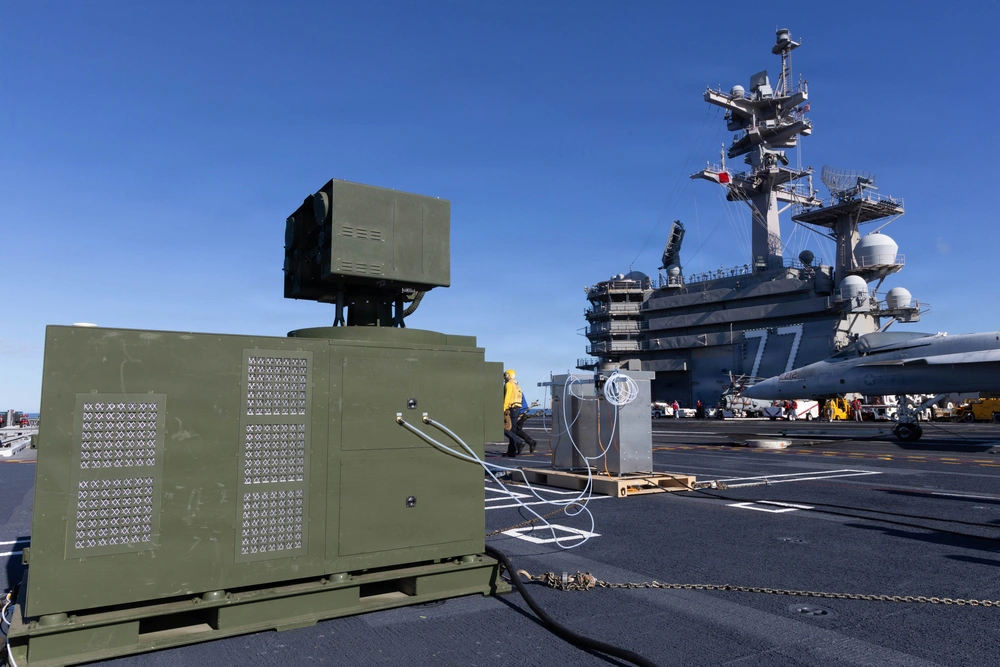
North American Aerospace Defense Command and U.S. Northern Command said the engagement took place late Tuesday into early Wednesday, using the Army’s Multi-Purpose High Energy Laser system. The military said the drones posed “a physical threat” to U.S. military and Customs and Border Protection personnel operating in the area.
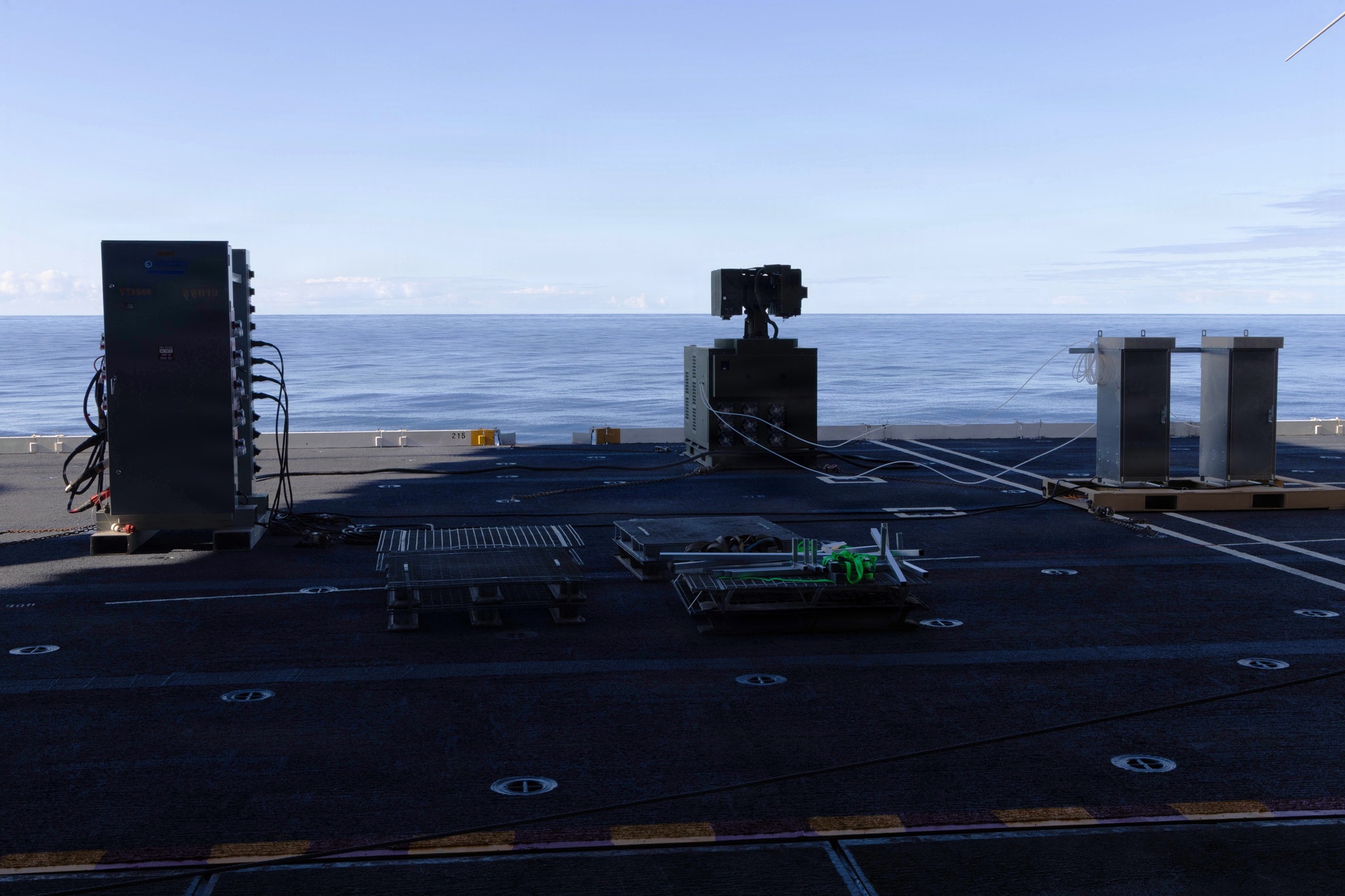
Table of Contents
What Happened
According to Reuters, which first reported the engagement, the strikes occurred in southern Texas’ Rio Grande Valley region. NORAD and NORTHCOM did not disclose the precise location of the strikes or specify whether the engagement took place over U.S. or Mexican territory — a detail that carries weight given Mexican President Claudia Sheinbaum’s repeated warnings that any unilateral U.S. military action on Mexican soil would violate her country’s sovereignty.
Maj. Gen. Curtis Taylor, commander of Joint Task Force–Southern Border, said in a statement that cartel networks are “increasingly employing unmanned aircraft systems to facilitate illicit human-smuggling and actively spy on our personnel and law enforcement partners.” Since its establishment in 2025, JTF-SB says it has conducted tens of thousands of detection and monitoring patrols and thousands of observation flights along the border.
The Laser System
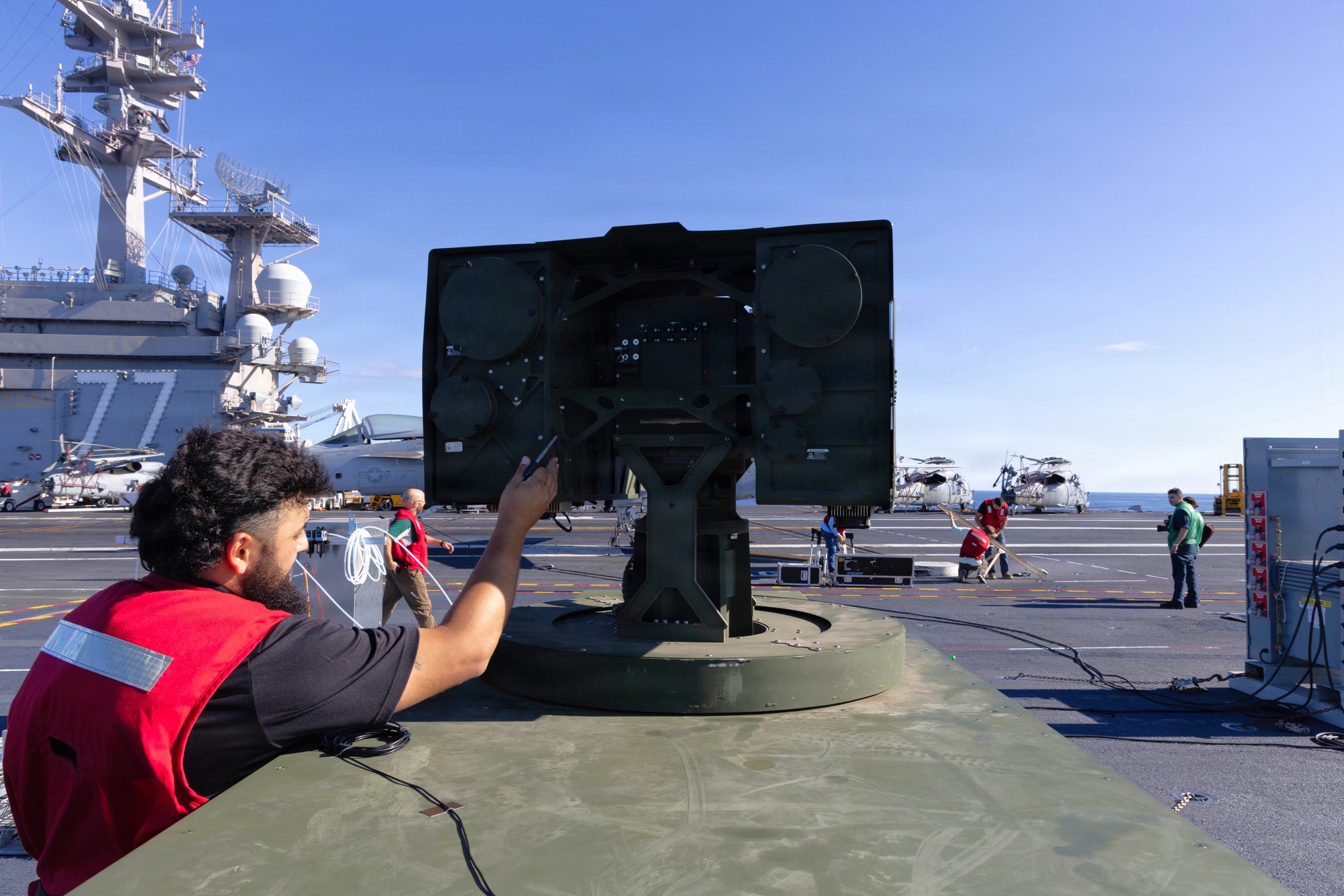
The military identified the weapon used this week as the Army’s Multi-Purpose High Energy Laser, distinct from the LOCUST directed-energy system that has drawn scrutiny at the border since last year. Both systems are part of a broader Pentagon push toward directed-energy counter-drone capability, developed in part by AeroVironment, which has supplied laser systems to the Army under the LOCUST program in truck-mounted, JLTV-mounted, and palletized configurations.
The military did not disclose the manufacturer of the system used in this week’s engagement.
A Fraught History
This week’s engagement follows a rockier chapter for border laser operations. In February, a laser system fired by Customs and Border Protection near Fort Bliss triggered a multi-hour FAA airspace shutdown over El Paso after the agency was not consulted before the system was used. CBP initially believed it had destroyed a cartel surveillance drone; it turned out to be a children’s party balloon. Days later, the same LOCUST system was reportedly involved in an apparent friendly-fire incident that brought down a CBP-owned drone, according to congressional aides who spoke to Reuters at the time.
Those incidents prompted a joint FAA-Pentagon coordination test at White Sands Missile Range in March, aimed at establishing clearer protocols for when and how directed-energy systems can be used near civilian airspace. The Pentagon has since agreed to provide mandatory advance notification to the FAA before activating high-energy laser systems.
Why Cartel Drones Are a Growing Problem at the Border
Cartel drone activity at the southern border has climbed sharply. Officials told Congress that more than 27,000 drones were detected within roughly 1,600 feet of the border in just the second half of 2024, and reporting this year put the 2025 total at approximately 34,000 tracked incursions — a substantial year-over-year increase. Cartels use the drones primarily for surveillance of Border Patrol movements and to coordinate drug and human smuggling routes, rather than for direct attacks inside U.S. territory.
In response, Joint Interagency Task Force 401 has moved to expand counter-drone capability along the border, including a $13.8 million contract awarded earlier this year to deliver detection and mitigation systems to Laredo, Texas, and the Rio Grande Valley — the same general region where this week’s laser engagement occurred.
FAQ: Southern Border Laser Engagement
When did this happen?
The engagement occurred late Tuesday into early Wednesday this week, with U.S. officials confirming the details publicly on Thursday, August 27, 2026.
What laser system was used?
The Army’s Multi-Purpose High Energy Laser, according to NORAD and NORTHCOM. This is distinct from the LOCUST system involved in February’s El Paso airspace incident.
Is this the same as the February incident?
No. February’s incident involved CBP firing a LOCUST laser without FAA coordination, shutting down El Paso airspace, and mistakenly destroying a balloon rather than a drone. This week’s engagement used a different system, reportedly confirmed three actual cartel drones, and did not trigger a public airspace closure.
Looking Ahead
The Pentagon has separately announced plans to install laser and microwave counter-drone systems at five additional U.S. bases by the end of the year, including Fort Bliss and Fort Huachuca. Expect JTF-SB and JIATF-401 to continue expanding directed-energy and detection capability along the border through the rest of 2026, with additional engagements likely as cartel drone activity continues to climb.
Source