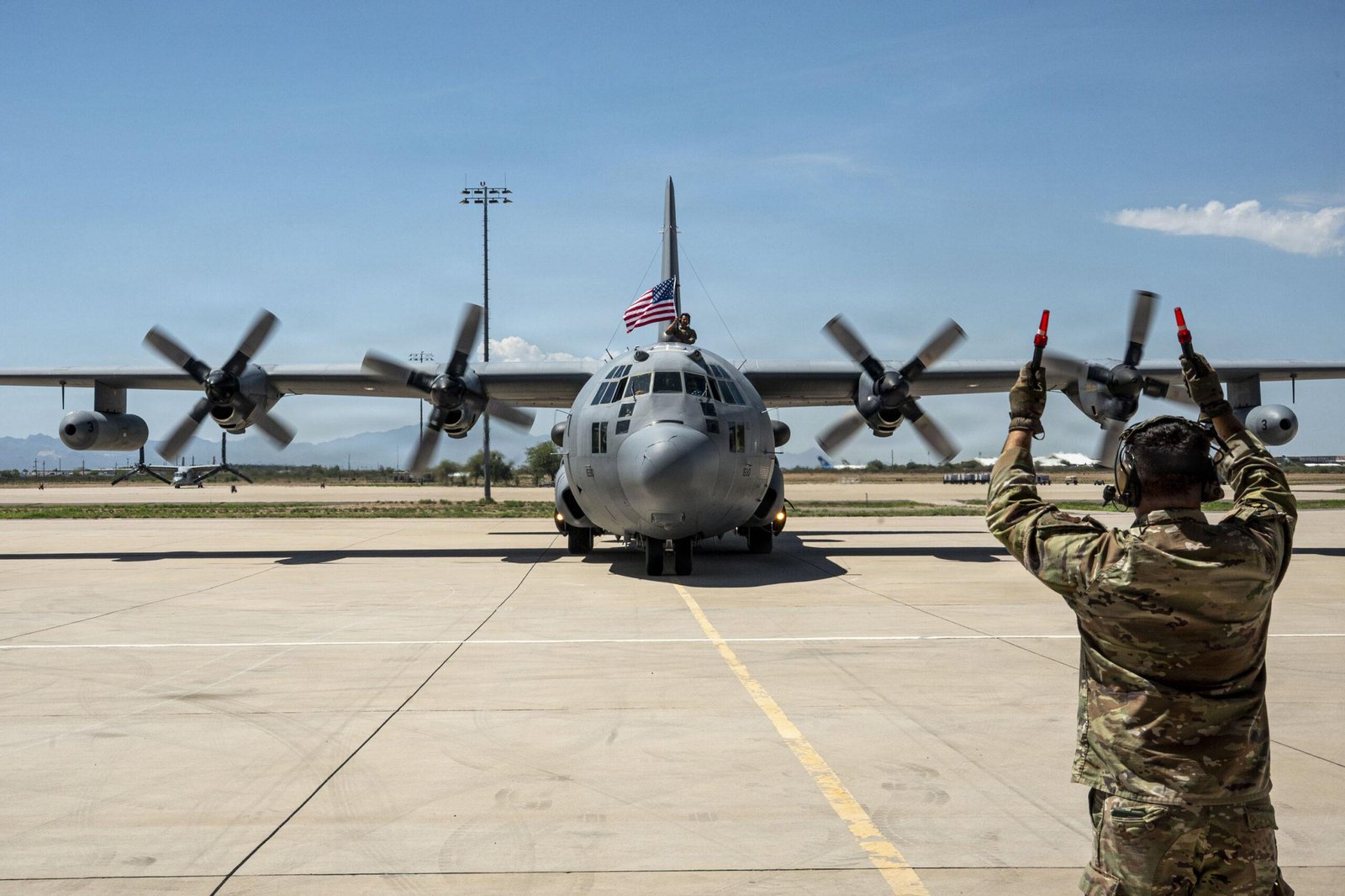
The EC-130H final flight took place September 2, 2026, when the U.S. Air Force’s last operational Compass Call, tail number 73-1590, departed Davis-Monthan Air Force Base, Arizona, under the callsign VOLT01. The roughly six-hour “fini flight” closed out a 44-year run for the electronic-warfare Hercules, confirmed by a 55th Wing spokesperson to Air & Space Forces Magazine.
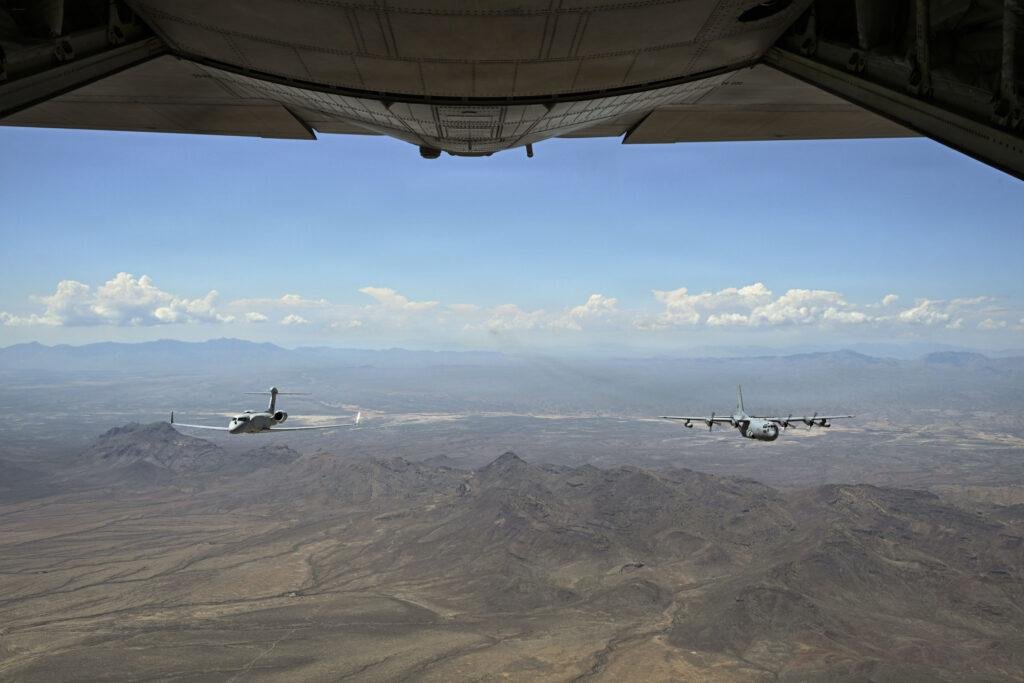
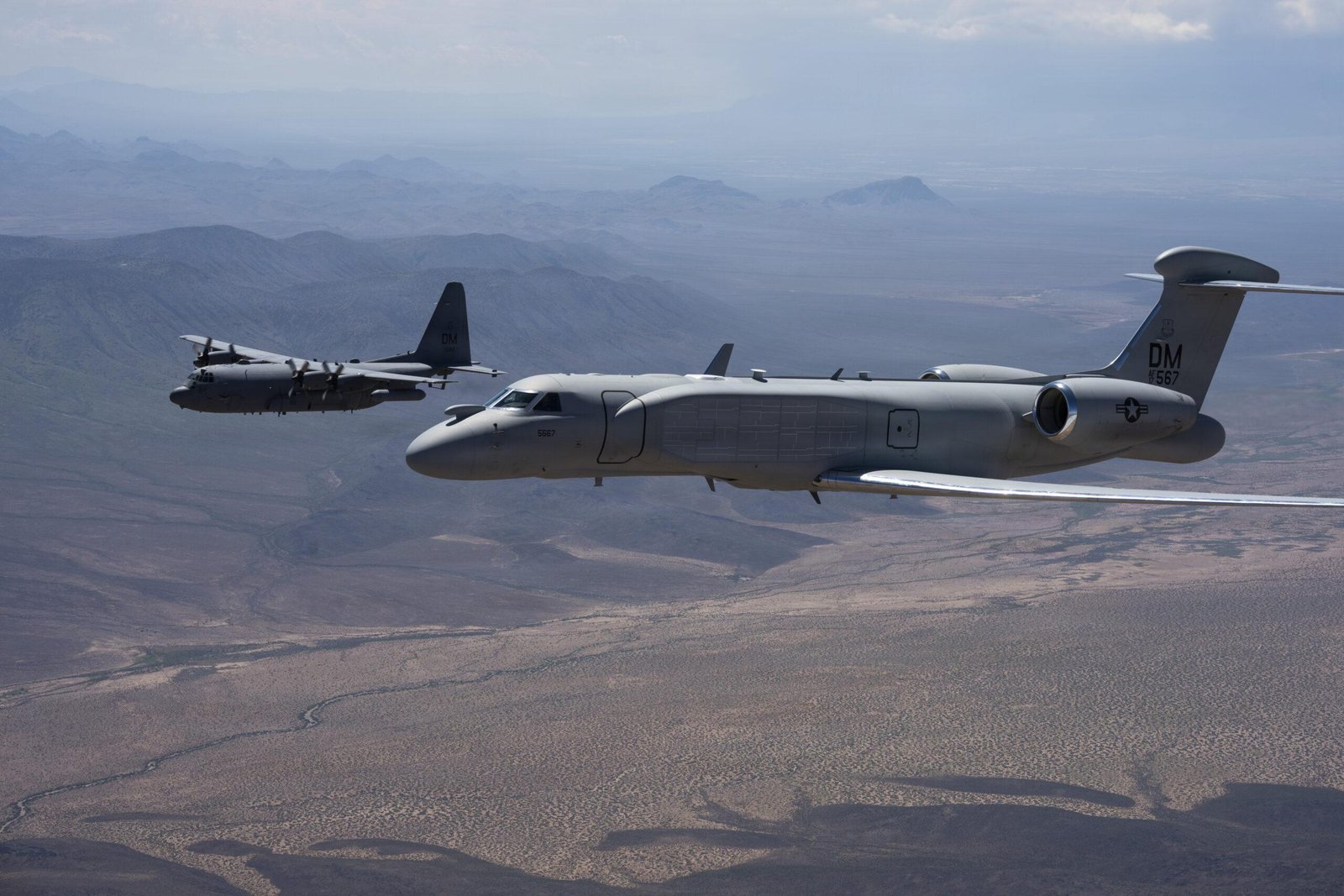
The mission included formation flying with an EA-37B Compass Call, the Gulfstream G550-based jet that inherits the EC-130H’s mission. A formal retirement ceremony for the aircraft is scheduled for September 18 at Davis-Monthan.
Table of Contents
The Last Flight of the Last Compass Call
EC-130H 73-1590 took off from Davis-Monthan at approximately 7:00 a.m. local time on September 2 and returned roughly six hours later, completing the final operational mission of the type in Air Force service. The 55th Electronic Combat Group, which has operated the EC-130H fleet from Davis-Monthan while reporting to the 55th Wing at Offutt Air Force Base, Nebraska, flew the aircraft alongside an EA-37B Compass Call during the mission.
Aviation photographer Steven Fortson documented the flight from the fence line at Davis-Monthan, capturing the EC-130H and EA-37B together in the air. A 55th Wing spokesperson confirmed to Air & Space Forces Magazine that the flight was the type’s last.
Why Now: Maintenance Limits and Waivers
According to Department of Defense budget documents, the remaining EC-130H airframes had reached the limits of their programmed depot maintenance lives and were flying under waivers ahead of their planned retirement. The final aircraft’s extended waiver was due to expire September 30, 2026, and keeping any EC-130H flying past that point would have required significant further investment: the same budget documents put the cost of extending the fleet’s service life by up to two years at approximately $14 million per aircraft.
The retirement decision itself is not new. The Air Force first announced plans to retire the EC-130 in 2014 and awarded a contract in 2017 to move the aircraft’s mission systems onto a new business-jet airframe. The first Compass Call retired in 2021, and the Air Force has drawn down the remaining fleet of 14 aircraft in the years since.
A Career That Outlasted Its Retirement Date
The EC-130H first flew in 1981 and was delivered to the Air Force on March 12, 1982, reaching initial operational capability in 1983 — a 44-year span between delivery and this final flight. Converted from the C-130 Hercules airframe to jam enemy communications, radar and navigation signals, the aircraft saw combat over four decades: it flew during Operation Just Cause in Panama in 1989, Operation Desert Storm in 1991, Operation Allied Force over Kosovo in 1999, and continuously through the Global War on Terror over Afghanistan, Iraq and Syria in the 2000s.
Aircraft spotters logged an EC-130H landing in the Caribbean in December 2025, days before Operation Absolute Resolve, and U.S. Central Command confirmed the type flew during the early days of Operation Epic Fury, the air campaign against Iran.
The aircraft’s operational tempo stayed high through its final year, underscoring how much combatant commands relied on Compass Call’s jamming capability even as the airframe itself neared the end of its structural life.
The EA-37B Takes Over: A Bigger Fleet, Not a Smaller One
The EA-37B Compass Call, nicknamed Banshee, replaces the EC-130H on a modified Gulfstream G550 business-jet airframe. The new platform retains roughly 70 percent of the EC-130H’s electronic-warfare systems while cutting the required crew from 13 to nine.
The first EA-37B arrived at Davis-Monthan in August 2024, and the type deployed in support of Operation Epic Fury by late March 2026, making its combat debut before it had been formally declared operational. More EA-37Bs deployed to the United Kingdom in July as hostilities with Iran continued.
The Air Force currently has five of the ten EA-37Bs it has ordered, with plans to expand the fleet to 22 aircraft through 2031 — a larger force than the 14-aircraft EC-130H fleet it replaces. Officials have said the expansion reflects the growing demand for electronic-warfare capability from combatant commanders, not a scaling-back of the mission.
FAQ: EC-130H Final Flight
Why is the EC-130H retiring now?
The remaining airframes had reached the limits of their programmed depot maintenance lives and were flying under waivers. The final waiver was set to expire September 30, 2026, and extending the fleet further would have cost roughly $14 million per aircraft.
What replaces the EC-130H?
The EA-37B Compass Call, based on the Gulfstream G550, takes over the mission. It carries about 70 percent of the EC-130H’s electronic-warfare systems with a smaller crew of nine, and the Air Force plans to grow the EA-37B fleet to 22 aircraft.
Was the EC-130H still in combat use before retiring?
Yes. The type was tracked deploying to the Caribbean in December 2025 and was confirmed by U.S. Central Command to have flown during the opening days of Operation Epic Fury against Iran earlier in 2026, remaining operationally active until shortly before its retirement.
Looking Ahead
The Air Force will hold a formal retirement ceremony for the EC-130H on September 18 at Davis-Monthan Air Force Base. Attention now shifts to the EA-37B’s continued buildup toward its planned 22-aircraft fleet through 2031, as the Air Force works to fully replace the Compass Call mission the EC-130H carried for more than four decades.
Sources
- Air & Space Forces Magazine — Last EC-130H Makes Its Final Flight Ahead of Retirement
- The Aviationist — The Sun Sets on Compass Call: The EC-130H Flies for the Final Time
- Air Data News — Last US Air Force EC-130H Compass Call Completes Final Flight
- MiGFlug — EC-130H Compass Call: Last Hercules Jammer Retires