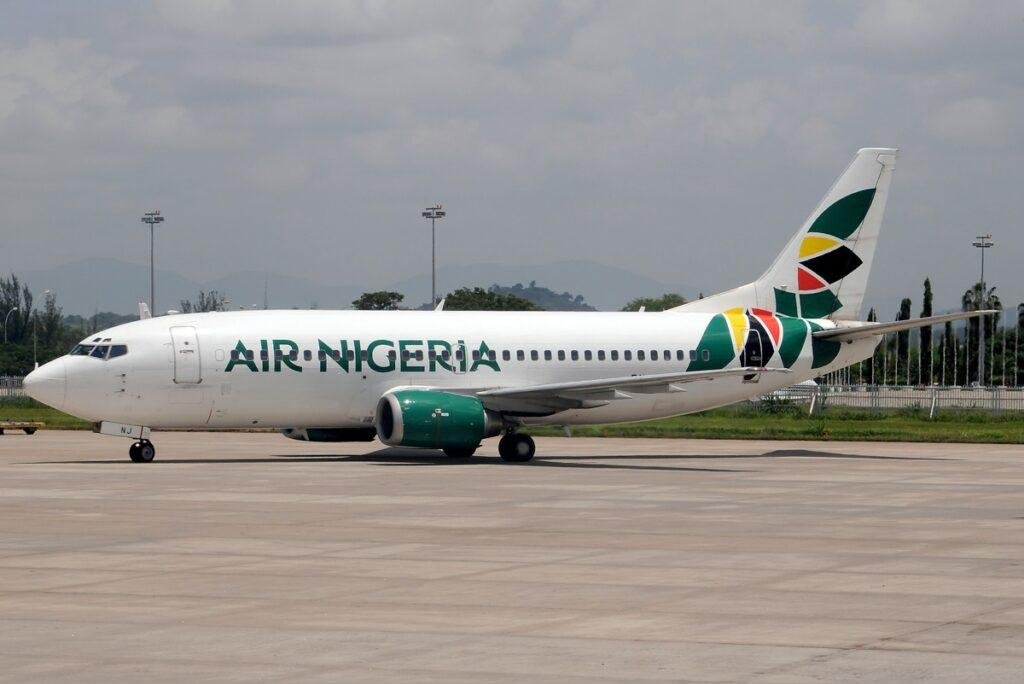
Nigeria airline capacity rose 44.5% in scheduled departing seats for October 2026, according to aviation data company OAG. The increase was the fastest among Africa’s ten largest country markets in the group’s monthly review.
OAG’s published table lists 1,347,300 scheduled seats for Nigeria, compared with 932,300 in October 2025. The difference is approximately 414,900 additional seats, while total scheduled capacity across Africa increased by 8.8% during the same comparison period.
These are published airline schedules, not a count of passengers who actually flew. The figures show the supply of seats carriers intend to offer and give a useful measure of market expansion without proving that every flight will operate or sell out.
Table of Contents
What Is Driving Nigeria Airline Capacity Growth
OAG associated the Nigeria airline capacity increase with currency reforms, a new aircraft-leasing arrangement and stronger airline confidence in serving Nigeria. Those are the company’s explanations of the schedule trend; the October figures alone cannot measure how much each factor contributed.
Domestic flying accounts for much of the Nigeria airline capacity expansion. OAG said Nigeria’s domestic scheduled seat capacity grew by 54.6%, adding approximately 362,600 seats to reach around one million. That makes the domestic market especially important to understanding the overall national result.
The total country figure includes seats departing airports in Nigeria. It should not be confused with the number offered solely by Nigerian-owned airlines, because international carriers can contribute to a country market. OAG’s published country comparison uses scheduled departures rather than citizenship or ownership of aircraft.
How Nigeria Compares With Other African Markets
Egypt remained the continent’s largest country market in OAG’s October ranking, at approximately 3.22 million scheduled seats, up 9.6% from the previous October. South Africa followed with about 2.44 million and Morocco with 2.18 million seats.
Nigeria airline capacity remained below those markets by total seat volume but grew faster in percentage terms. OAG reported Morocco adding 216,900 seats, while Egypt increased by approximately 282,800. South Africa’s growth was comparatively modest at 0.8%.
Across the continent, OAG reported 26.6 million scheduled seats for October. International services represented around 77% of the total, with domestic capacity growing faster year over year. Those continent-wide numbers show that Nigeria’s sharp increase occurred within a broader market that was expanding more moderately.
What the Schedule Growth Means for Lagos and Travelers
Nigeria airline capacity growth coincided with Lagos recording the fastest year-on-year seat-capacity increase among Africa’s ten largest airports in OAG’s analysis. Its scheduled capacity rose 29.7%, adding approximately 119,200 seats to reach about 520,000 in October.
Cairo retained the largest airport ranking on the continent at roughly 1.78 million seats. Comparing Lagos with Cairo illustrates the difference between percentage growth and the size of an aviation market. A smaller base can grow more rapidly while remaining lower in total available seats.
For passengers and airports, added capacity may create additional choices and connection opportunities, but the data do not establish lower fares, punctuality improvements or higher completed passenger numbers. Those outcomes require separate ticketing, operations and traffic statistics after the scheduled month has ended.
FAQ: Nigeria’s October airline schedules
How fast did Nigeria airline capacity grow?
OAG shows growth of 44.5% year over year for October 2026, to approximately 1.35 million departing seats.
Is Nigeria Africa’s largest aviation market?
No. OAG ranked Egypt first by country seat capacity; Nigeria had the fastest growth among the top ten.
Does capacity growth mean more passengers already flew?
No. Scheduled seat capacity measures seats offered in timetables, not completed passenger journeys.
Looking Ahead
The next useful checks are OAG’s updated schedules for subsequent months and official airport or airline traffic reports for actual October operations. Those data will show whether the planned capacity increases translated into completed flying and stronger passenger demand.
Sources