Boeing PAC-3 seekers are the subject of an approximately $14.7 billion undefinitized contract action awarded by Lockheed Martin, Boeing announced on October 5. The arrangement is intended to expand production of guidance components for Patriot air-defense interceptors.
Boeing characterized the arrangement as support for a seven-year production framework under which seeker output is to triple. Breaking Defense separately reported that final details of the undefinitized action still need to be settled.
The financial description matters. An undefinitized contract action allows work to proceed before all final terms are agreed; the headline figure should not be represented as cash already paid to Boeing or as a fully priced agreement with fixed delivery quantities.
Table of Contents
What Boeing PAC-3 Seekers Do Inside an Interceptor
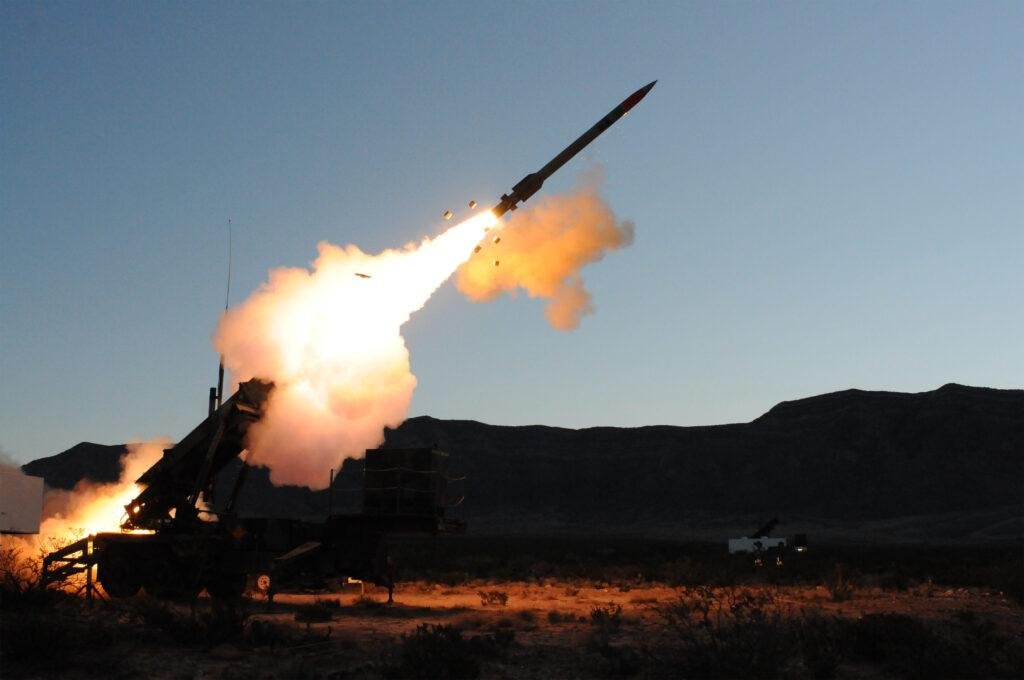
Boeing PAC-3 seekers are sensing and guidance components in the forward section of a missile. Breaking Defense explained that the device helps a PAC-3 Missile Segment Enhancement interceptor identify and engage its target after launch, making it a necessary part of the completed missile.
Lockheed Martin is the main PAC-3 contractor, while Boeing produces the seekers. The division of responsibility explains why Boeing announced a large defense award received from another aerospace manufacturer rather than directly describing an order for complete Patriot batteries.
Boeing said its seekers support interceptors intended to counter threats that can include aircraft, cruise missiles and ballistic missiles. The maker’s statements about capability describe the system’s intended role; the new contract does not itself demonstrate effectiveness in any particular engagement.
Why the $14.7 Billion Action Is Not a Final Price
The Boeing PAC-3 seekers contract action of roughly $14.7 billion is attached to an undefinitized contract action. Breaking Defense said such a vehicle can authorize early work while specific prices, quantities or related terms are finalized. The distinction is especially important when interpreting large defense-industrial announcements.
Boeing linked the action to a previously announced seven-year framework intended to triple its seeker production. The company did not publish a year-by-year count of units to be delivered under the new action, so it is not possible to calculate a reliable per-unit seeker price from the headline amount.
Breaking Defense reported a separate Lockheed Martin contracting vehicle for complete PAC-3 MSE interceptors. That wider missile arrangement should not be added to Boeing’s seeker value as if they were independent purchases of the same finished weapon.
How Boeing Plans to Increase PAC-3 Production
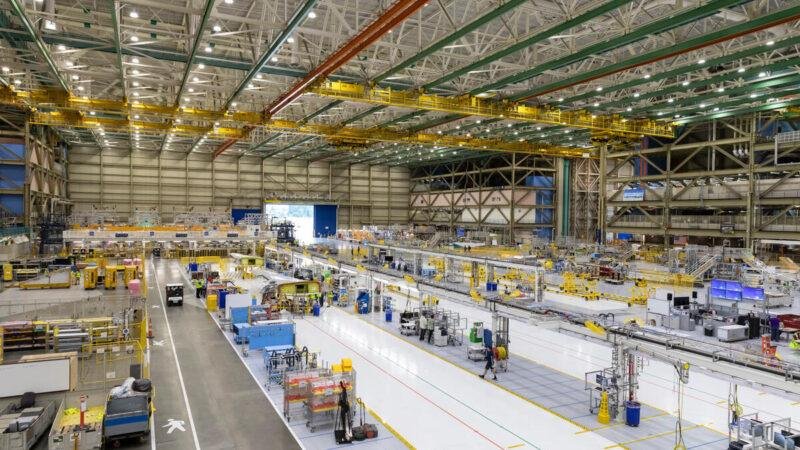
Boeing said it had invested in its PAC-3 seeker factory, updated processes and strengthened supplier relationships ahead of the announcement. Production expansion and additional hiring had already begun earlier in 2026, according to the company’s release.
The manufacturer expects hundreds of direct and indirect jobs connected with the increase around Huntsville, Alabama. That is a forecast attributed to Boeing, not a verified count of positions already filled or proof that the full future production rate has been achieved.
For Boeing PAC-3 seekers, the industrial concern is not limited to assembly space. Seeker output depends on specialized components, suppliers and test and quality processes. Boeing said it is working on capacity and first-time quality as part of the scaling effort, although it did not release independently auditable supplier-throughput figures.
FAQ: Boeing’s PAC-3 seeker agreement
How much is the Boeing PAC-3 seekers action worth?
Boeing described an undefinitized contract action of approximately $14.7 billion.
Who awarded Boeing the seeker work?
Lockheed Martin, the PAC-3 prime contractor, awarded Boeing the action.
Does the contract cover complete Patriot missiles?
No. The Boeing action concerns seekers used inside PAC-3 MSE interceptors.
Looking Ahead
Watch for finalized contract terms, reported production milestones and evidence that the intended increase in seeker output is occurring. Boeing did not announce a detailed delivery schedule or exact annual quantity in its October release.
Sources
- Boeing — Seven-year PAC-3 MSE seeker production action
- Breaking Defense — Potential $14.7 billion PAC-3 seeker contract