The U.S. Army has advanced Lockheed Martin and a Boeing-Anduril team into a head-to-head competition to build a second Enduring Shield interceptor, one that can counter low-flying cruise missiles and militarized drones the system’s current AIM-9X Sidewinder isn’t optimized to handle. Boeing announced its team’s advancement to Phase 2 of the competition on September 9, and the Army separately confirmed to Breaking Defense that Lockheed Martin advanced as well.
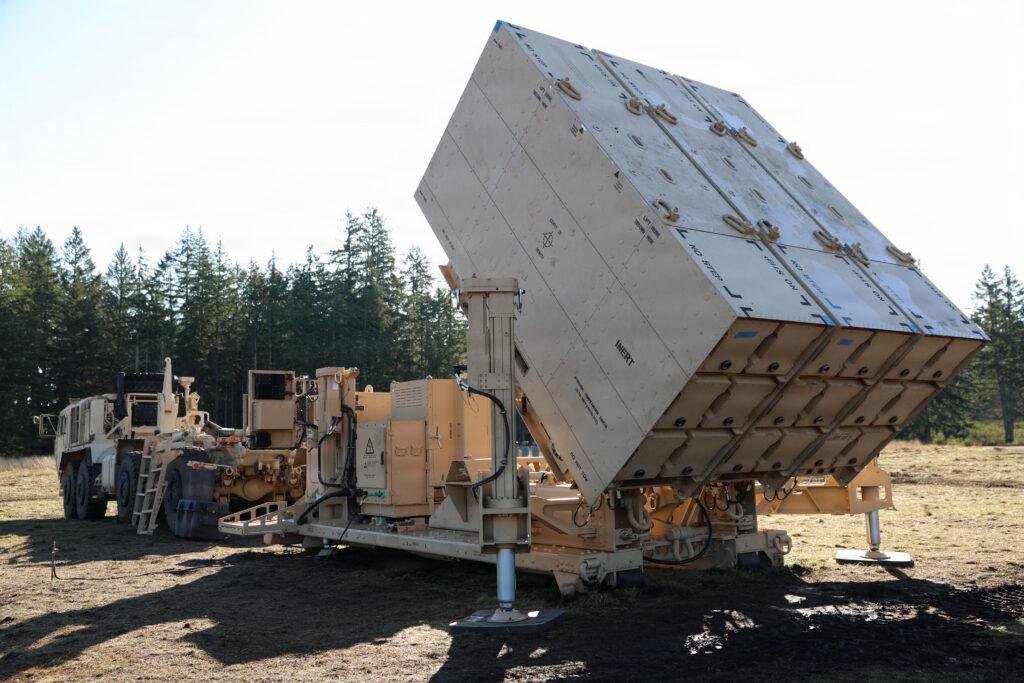
Enduring Shield, built by Leidos subsidiary Dynetics and paired with RTX’s ground-launched AIM-9X, already gives the Army its first new mid-tier air defense capability in decades, filling the gap between short-range systems and the Patriot. The Army has known it needs a second, more capable interceptor for this layer since at least mid-2024.
Table of Contents
The Phase 2 Down-Select
The competition is formally called the Integrated Fires Protection Capability Increment 2 (IFPC Inc 2) Second Interceptor program. Boeing and Anduril first partnered on it in December 2025, after Boeing received an Other Transaction Authority award to begin development. In Phase 1, their team competed against proposals from Lockheed Martin and from Rafael Systems Global Sustainment, the U.S. arm of Israel’s Rafael Advanced Defense Systems, whose entry is based on the Tamir interceptor used in Israel’s Iron Dome.
Boeing’s September 9 announcement confirmed its advancement to Phase 2, which covers detailed design work, system development, integration, and a competitive demonstration against Army requirements. The company’s release did not say whether Lockheed or Rafael also advanced, but the Army separately told Breaking Defense that Lockheed Martin had. Rafael Systems Global Sustainment’s status in this round has not been confirmed by the Army.
Two Very Different Missile Designs
Boeing describes its Enduring Shield interceptor as a clean-sheet design, paired with a solid-fuel rocket motor supplied by Anduril. A model was shown publicly for the first time at the 2026 Space and Missile Defense Symposium in August, and Boeing’s September 9 announcement included a previously unreleased rendering with a second set of tail fins not present on the earlier model, though it’s unclear whether that reflects a design update or an added booster stage for ground launch.
Lockheed Martin’s approach, by contrast, leans on existing missile technology rather than a from-scratch design. “There are technologies that we already have that we’re leveraging,” Chris Murphy, senior manager of business development for Integrated Air and Missile Defense Advanced Programs at Lockheed Martin’s Missiles and Fire Control division, told The War Zone in October 2025. Lockheed is working with AeroVironment on a “high speed” interceptor sized to fit the same canister footprint as the current AIM-9X, which would let each Enduring Shield launcher keep its 18-missile capacity if the Army adopts it.
Why Enduring Shield Needs a Second Missile
The Army selected Enduring Shield, then a new Dynetics-built launcher paired with RTX’s ground-launched AIM-9X, as the winner of the original IFPC Inc 2 competition in late 2024. Each launcher can carry up to 18 AIM-9X missiles, and four launchers linked together can provide 360-degree coverage. The system is now fielded and has been photographed deployed with U.S. forces in South Korea.
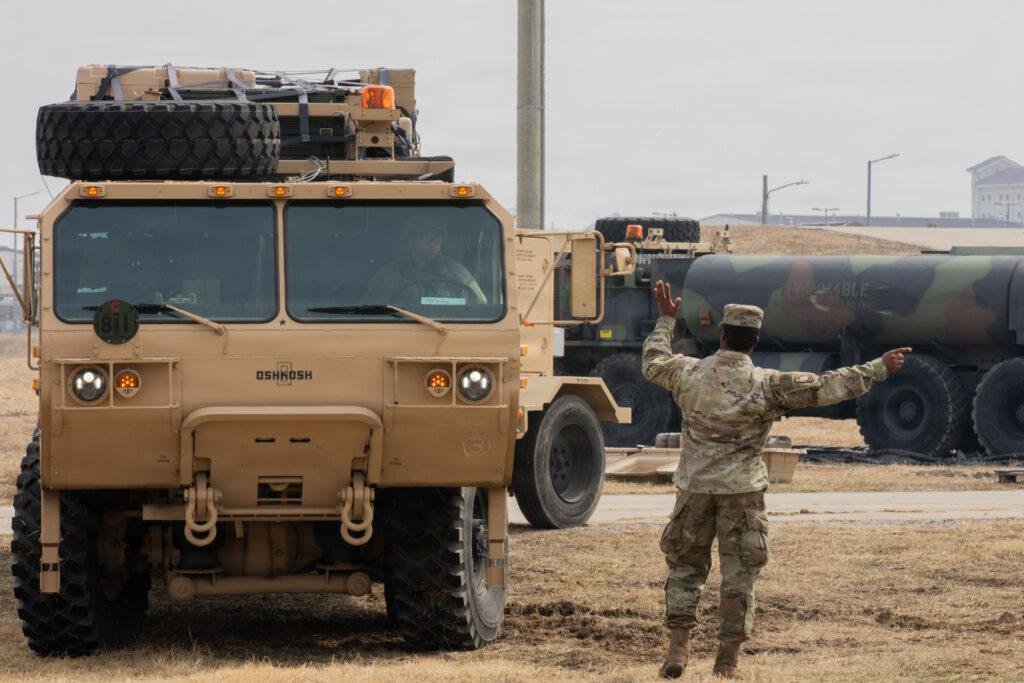
Credit: U.S. Army photo by Spc. Jakaiyah Rumedon
Soldiers using Enduring Shield found they needed a second, more capable interceptor to target lower-flying, supersonic cruise missiles, then-Brig. Gen. Frank Lozano, the Army’s Program Acquisition Executive for Fires at the time, told Breaking Defense in June 2024. Lozano has since been promoted to lieutenant general. Enduring Shield in its current form cannot engage ballistic missiles at all, a gap Lt. Gen. John Rafferty, head of the Army’s Space and Missile Defense Command, flagged directly at the 2026 Space and Missile Defense Symposium, calling for both deeper interceptor magazines and a wider mix of interceptor types.
FAQ: Enduring Shield Second Interceptor
What is Enduring Shield?
Enduring Shield is the U.S. Army’s new mid-tier ground-based air defense system, built by Leidos subsidiary Dynetics and paired with RTX’s ground-launched AIM-9X Sidewinder missile. It fills the gap between short-range air defenses and the longer-range Patriot system.
Why does the Army need a second Enduring Shield interceptor?
The AIM-9X gives Enduring Shield its initial capability, but soldiers found they needed a more capable Enduring Shield interceptor to target lower-flying, supersonic cruise missiles and militarized drones, a gap identified by Army acquisition officials as early as June 2024.
What happened to RTX and Rafael’s competing offer?
RTX teamed with Rafael Systems Global Sustainment to offer SkyHunter, a U.S.-manufactured version of the Tamir interceptor used in Israel’s Iron Dome, during Phase 1 of the competition. The Army has not confirmed whether that offering advanced to Phase 2 alongside Lockheed Martin and Boeing-Anduril.
Looking Ahead
Phase 2 covers detailed design work, system development, integration, and a competitive demonstration against Army requirements, with a full-rate production decision on the winning Enduring Shield interceptor still years away. The Aviation Diary will track the competitive demonstration results and any further clarity on whether RTX and Rafael’s SkyHunter remains in contention.
Sources