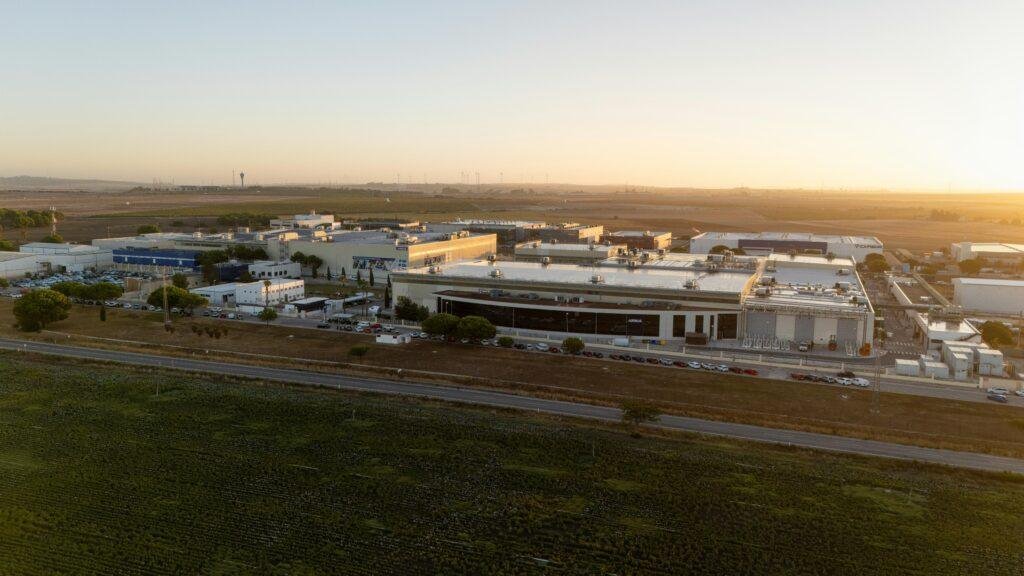
Airbus Cadiz plant operations entered a consolidated phase on October 8 when Airbus inaugurated a renovated facility in El Puerto de Santa María, Spain. The company said it had brought work from nearby Puerto Real and the existing local site into one production organization.
The project moved production activities connected with the A320, A330 and A350 programs and included new automation and factory space. Airbus described the remodeled facility as a location for both commercial aircraft components and defense-related work.
The change matters because aircraft manufacturing programs are distributed across factories, and changes at component sites must be coordinated with the production tempo of final assembly lines elsewhere. The inauguration signals completion of the consolidation project, not delivery of a newly assembled aircraft.
Table of Contents
Airbus Cadiz plant now supports several aircraft families
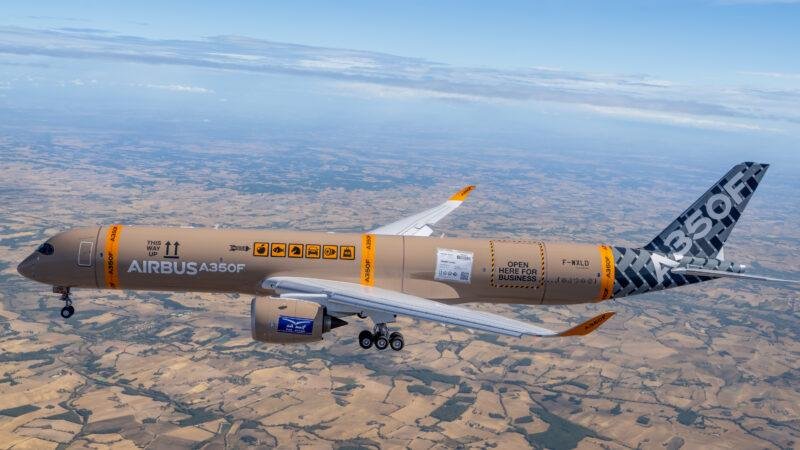
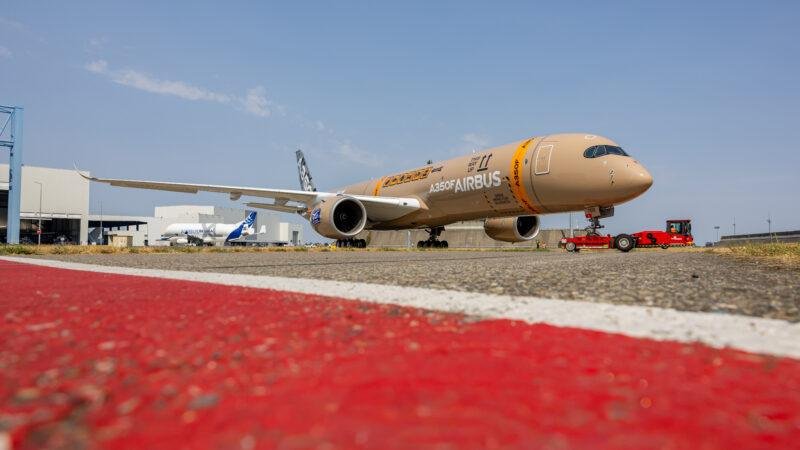
Airbus said its Cádiz site produces components used on A320, A330 and A350 aircraft while also contributing to defense programs including A400M, MRTT, C295 and Eurofighter. The released list describes industrial contributions, not complete airframes being assembled at this particular plant.
Combining those production activities creates opportunities to use equipment, expertise and factory services across several product lines. It can also bring challenges as each aircraft program has different manufacturing documentation, quality requirements and delivery schedules.
The press release describes highly automated processes and carbon-fiber expertise, though it provides no independent before-and-after measure of defect rates, unit cost or throughput. Improvements to performance remain company expectations unless separately quantified.
Airbus Cadiz plant: what Airbus changed in the Spanish factory
Airbus reported an expansion of approximately 4,000 square meters of industrial space to house the transferred lines. It also said it acquired additional land for logistics, built new support facilities and converted some industrial areas into offices.
Airbus Cadiz plant integration also brought workers from two established sites into one operation. Workers from Puerto Real and El Puerto de Santa María were integrated into one team, according to the announcement. Airbus reported that the Cádiz operation employs about 750 people and said industrial jobs were retained through the restructuring.
The inauguration is the visible milestone in a longer factory transition. The announcement does not establish that every line has already reached its desired future output rate or that all manufacturing adjustments are behind the company.
Why a consolidated site matters for delivery rates
Aircraft manufacturers depend on the timely output of specialized structures and systems from sites that feed larger assembly networks. Consolidating production and modernizing equipment can be part of planning for increased output, but it does not by itself resolve supply-chain constraints at other plants.
The affected programs span commercial and military applications, making coordination important for resource planning and production flexibility. Airbus says the integration will support competitiveness and future growth, a judgment attributable to the manufacturer.
The company did not release the total project cost, an independently measured productivity gain or individual line-level production forecasts in the press announcement. Those would be needed before a stronger claim about economic outcomes could be made.
FAQ: Airbus Cadiz Plant
Where is the Airbus Cadiz plant located?
It is in El Puerto de Santa María, in Cádiz province, Spain.
Which Airbus aircraft programs are involved?
Airbus lists A320, A330 and A350 components, alongside several defense programs.
How large is the industrial expansion?
Airbus reported approximately 4,000 square meters of additional industrial space.
Looking Ahead
The Airbus Cadiz plant announcement describes relocated production work, but measurable improvements will require future factory performance data. Look for Airbus updates on component output, production-rate changes and independently reported site performance after the integrated operation has settled. The next milestone is measurable production, not another inauguration.
Sources