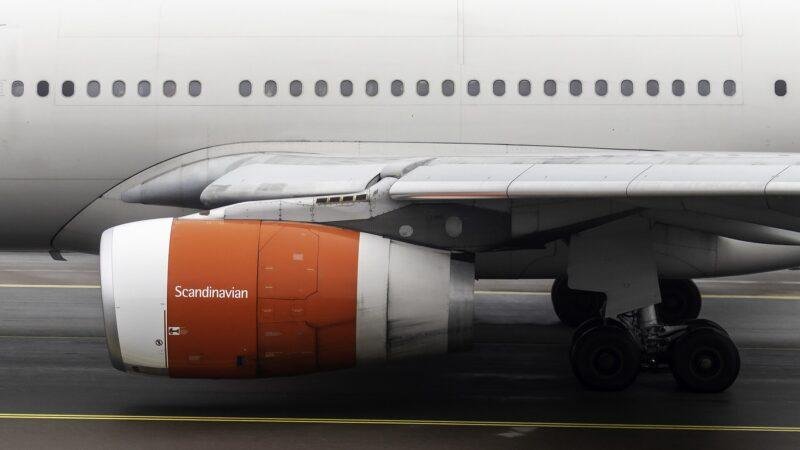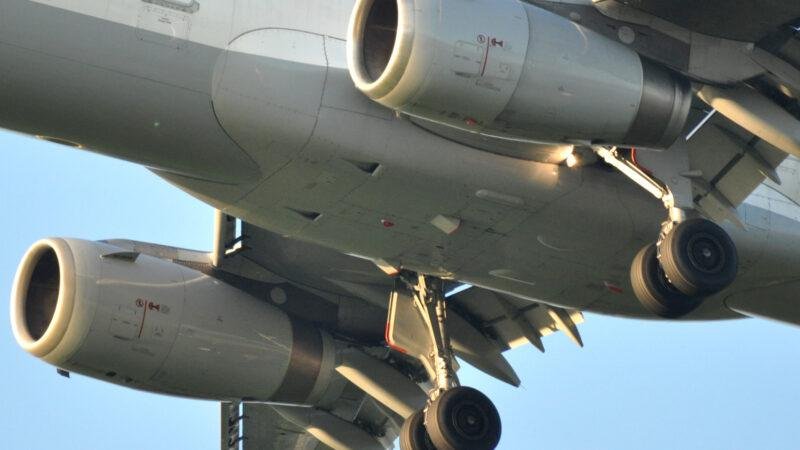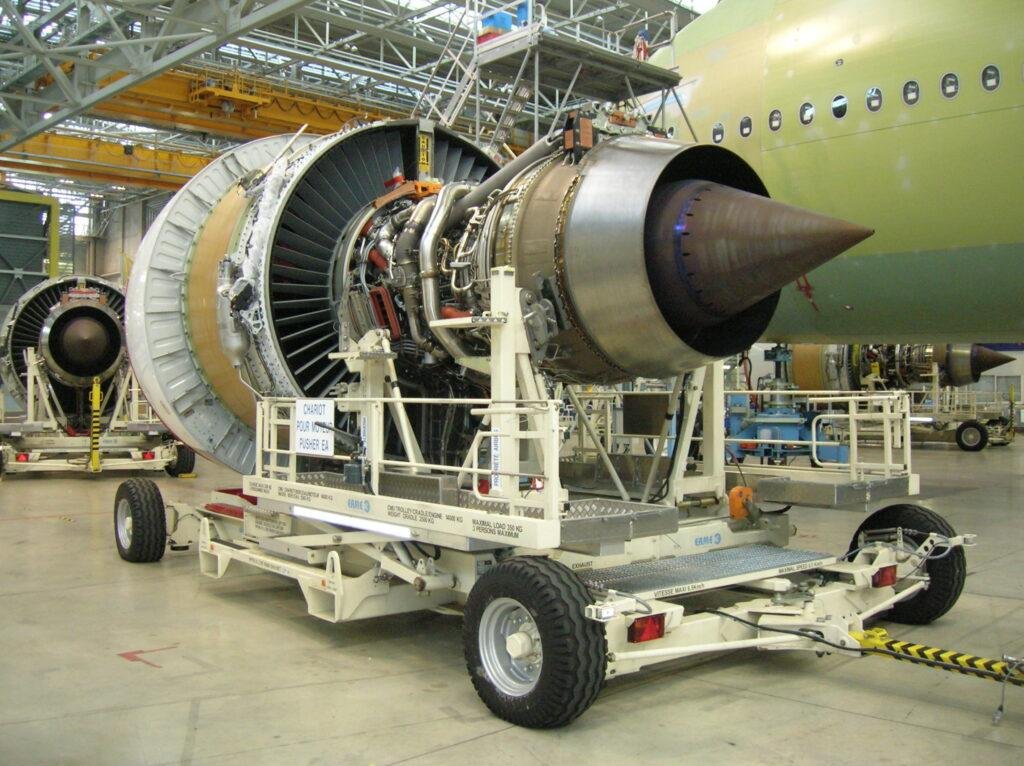
An A380 engine seal failure has led the Federal Aviation Administration (FAA) to order the replacement of high-pressure turbine (HPT) interstage seals in certain Engine Alliance GP7270, GP7272 and GP7277 engines. The FAA says the uncontained failure of an HPT interstage seal on an Airbus A380 powered by GP7270 engines resulted in an engine shutdown and an aborted takeoff.
Airworthiness Directive 2026-20-12 was published in the Federal Register on Oct. 8 and takes effect on Oct. 23. The FAA adopted it as a final rule without first taking public comment, saying the risk to the flying public justified immediate action. It will accept comments until Nov. 23.
The order targets the 15 seals with the highest cycles since overhaul. The FAA warns that the condition, if not addressed, could result in an engine fire and damage to the airplane.
What the A380 Engine Seal Directive Requires
The directive covers HPT interstage seals with part number 2047M99P02 whose serial numbers are listed in Appendix A of Engine Alliance Alert Service Bulletin EAGP7-A72-479, dated Sept. 4, 2026. Operators must remove each listed seal from service and replace it with a part that is not on the list.
The bulletin sorts the affected seals into three tables, and the directive sets a deadline for each, counted from its Oct. 23 effective date: Table 1 seals within 50 flight cycles or 30 days, Table 2 seals within 100 cycles or 60 days, and Table 3 seals within 150 cycles or 90 days, whichever occurs first.
The bulletin asks operators to send certain information to the manufacturer, but the directive states that it does not require that step.
What Failed on the A380
According to the FAA, a manufacturer investigation found that cracking most likely began at the clocking keys between the HPT interstage seal and the HPT stage-1 disk aft shaft. The root cause is still under investigation.
The investigation has identified a contributing factor: clocking of the HPT interstage mid-seal. The manufacturer noted that clocking is greater on seals that have been reassembled at overhaul.
The directive does not name the airline, the airport or the date of the aborted takeoff, and TAD did not find those details in an official source.
Why the FAA Acted Before Taking Comment
Federal law allows an agency to skip advance notice and comment when it finds good cause. The FAA found it here. Its reasoning: an uncontained failure of the seal has already been reported, with clocking as a contributing factor, and a failure could cause an engine fire. It adds that the shortest compliance time in the rule is shorter than the time needed for public comment and publication of a final rule.
For the same reasons, the agency made the rule effective in less than 30 days.
The Cost of Each Seal Replacement
The FAA estimates that the directive affects no engines installed on airplanes of U.S. registry, so it puts the total cost to U.S. operators at $0.
For each engine, it estimates 10 work-hours of labor at $85 an hour, or $850, plus $527,300 in parts. That brings the cost of replacing one HPT interstage seal to $528,150.
Earlier Directives on the Same Engines
This is not the first FAA action on this part. In June 2023, the FAA required the replacement of two HPT interstage seals with the same part number, 2047M99P02, in GP7270, GP7272 and GP7277 engines. That directive followed a manufacturer finding that the seals had been made from material suspected to contain iron inclusion, which could lower their fatigue life and lead to premature fracture and an uncontained failure.
The new directive has a different trigger: an in-service seal failure in which clocking has been identified as a contributing factor; the directive also applies to a larger set of seals, identified in the September 2026 service bulletin.
The GP7200 family has had an uncontained failure before. In October 2017, the FAA issued an emergency directive requiring visual inspections of GP7200-series fan hubs after an uncontained engine failure on a GP7270. It replaced that emergency directive with a final rule the following month.
FAQ: A380 Engine Seal Directive
Which engines does the FAA directive cover?
It covers Engine Alliance GP7270, GP7272 and GP7277 engines fitted with an HPT interstage seal, part number 2047M99P02, whose serial number appears in Appendix A of service bulletin EAGP7-A72-479.
When do the seals have to be replaced?
Depending on which table of the bulletin lists the seal, within 50 flight cycles or 30 days, 100 flight cycles or 60 days, or 150 flight cycles or 90 days after Oct. 23, whichever comes first.
Does the directive affect U.S.-registered airplanes?
The FAA estimates that it affects no engines installed on airplanes of U.S. registry.
Looking Ahead
The directive will take effect on Oct. 23, and the FAA will accept comments on docket FAA-2026-11801 until Nov. 23. It says it may amend the rule because of those comments. The root cause of the seal cracking is still under investigation, and the FAA calls the directive an interim action that could be followed by further rulemaking if a final action is identified.
Sources
- Federal Register — Airworthiness Directives; Engine Alliance Engines (AD 2026-20-12), Oct. 8, 2026
- Federal Register — Airworthiness Directives; Engine Alliance Engines, June 9, 2023
- Federal Register — Airworthiness Directives; Engine Alliance Turbofan Engines, Nov. 9, 2017