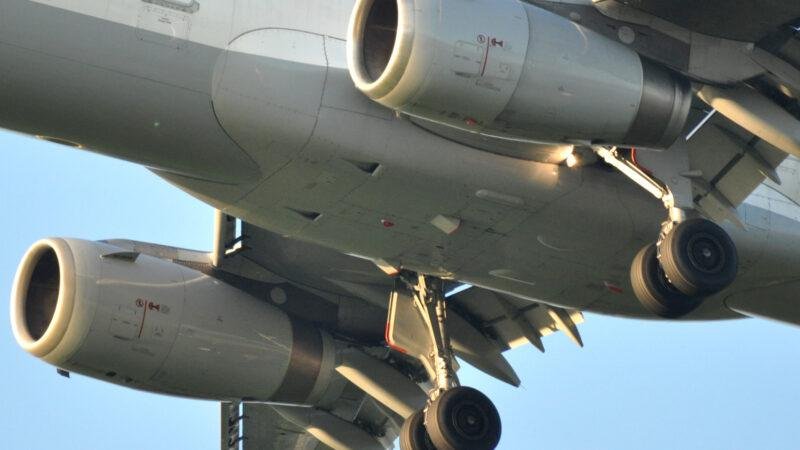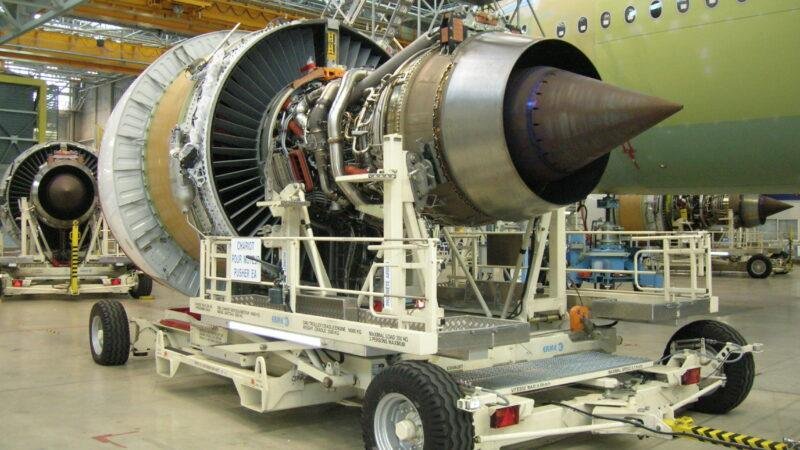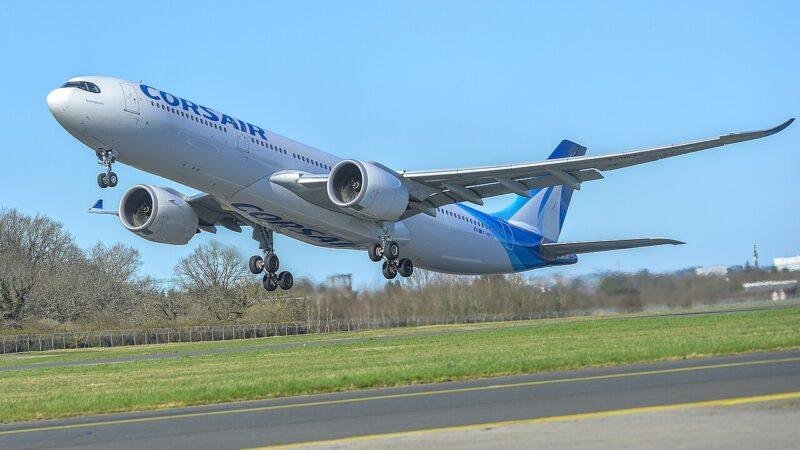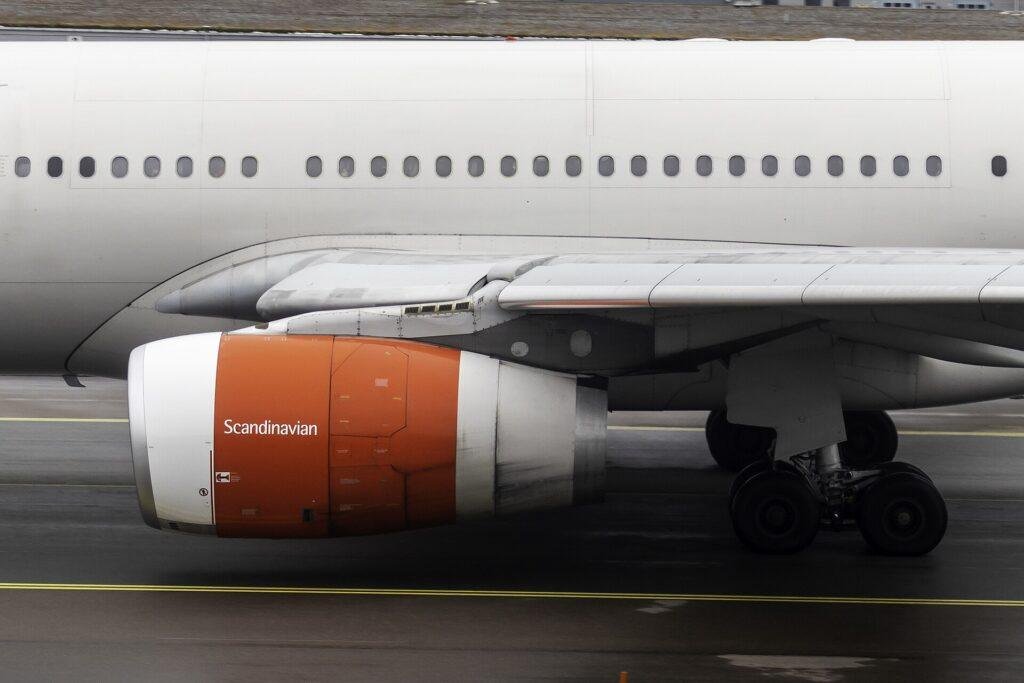
The Federal Aviation Administration (FAA) has ordered the removal of a batch of Rolls-Royce Trent 700 fan blades that went through a non-conforming repair and are more prone to cracking. The engines power Airbus A330 airliners, and the FAA warns that the condition could lead to multiple blade failures, increasing the risk of an in-flight shutdown, an engine fire or the release of uncontained high-energy debris.
Airworthiness Directive 2026-20-11 is scheduled for publication in the Federal Register on Oct. 13 and takes effect on Nov. 17. It applies to all Trent 700 engines of the 768-60, 772-60 and 772B-60 models and requires operators to remove the affected low-pressure compressor (LPC) blades and replace them with serviceable parts. The rule adopts a European Union Aviation Safety Agency (EASA) directive whose requirements first took effect in Europe in July 2024 and were expanded last December.
What the Trent 700 Directive Requires
The FAA rule does not spell out its own deadlines. Instead, it requires operators to follow EASA airworthiness directive (AD) 2025-0288R1, dated June 26, 2026, with the FAA’s effective date replacing the European reference dates.
Under that directive, each affected blade must come off the engine before it exceeds a cycle limit counted from the date it was released to service after the faulty repair. If that limit falls sooner, operators still get a minimum window after the rule takes effect: 30 flight cycles or 30 days, whichever comes first.
EASA’s table shows how the clock works. One listed blade was released to service on April 12, 2022 with a limit of 8,270 flight cycles from that date, so it must come off before it exceeds 8,270 cycles, unless the minimum window ends later.
Two further rules close the gaps. An engine in the shop must have an affected blade replaced before release if the blade has 100 flight cycles or fewer left. And no affected blade may be installed on any engine, except when the same blade is removed and refitted to the same engine during a single on-wing maintenance task.
Which Fan Blades Are Affected
EASA’s directive, which also calls the low-pressure compressor blades fan blades, identifies the affected Trent 700 blades by part number, FW23741, FW23643, FW23744, KH23403 or KH23404, and by a serial number on the Rolls-Royce or EASA list of blades that received the non-conforming repair.
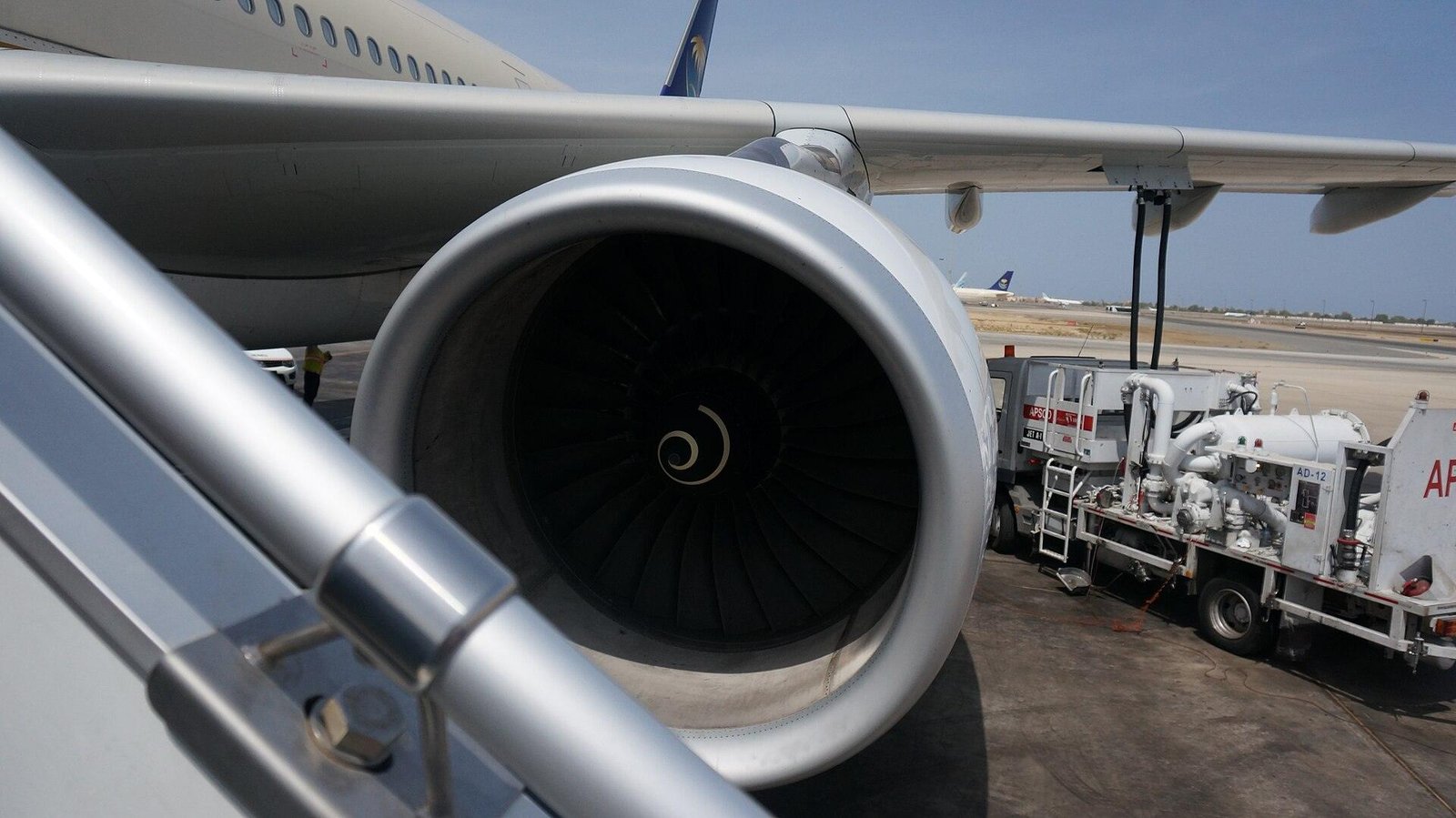
According to EASA, the blades were “exposed in service to erroneous repair interventions,” which left them in a configuration that deviates from the approved design, making them prone to cracking.
The directive covers two groups of blades. The first is the original batch Rolls-Royce identified in May 2024. The second is nine additional serial numbers added in 2025, whose release certificates after the faulty repairs are dated between February 2017 and April 2022, with limits of 5,100 to 9,673 flight cycles from those dates.
Not every listed blade is barred for good. Rolls-Royce issued a separate shop inspection procedure, and blades that pass it are no longer treated as affected parts.
How the Order Developed
Rolls-Royce identified the affected batch of Trent 700 fan blades in an alert service bulletin dated May 1, 2024. EASA turned it into a mandatory directive, AD 2024-0130, issued on July 8, 2024 and effective on July 22, 2024.
A revised Rolls-Royce bulletin in July 2025 added the nine further blades. EASA then issued AD 2025-0288 on Dec. 17, 2025, which kept the original requirements and added the new serial numbers. A revision in June 2026 loosened one note so that a blade removed and refitted to the same engine during a single maintenance task does not count as a new installation, whatever position it goes back into.
The FAA proposed its version on June 1, 2026 and took comments until July 16. It received one comment, from the Air Line Pilots Association, International, which supported the rule without change. The final rule was signed on Sept. 30.
The Aviation Diary has also covered the FAA’s V2500 compressor blade directive for A320-family engines and a separate Boeing 787 wing slat directive published this month.
What It Means for U.S. Operators
The FAA estimates that the rule affects eight Trent 700 engines installed on airplanes of U.S. registry. It puts the cost of replacing the blades on one engine at $225,170: two work-hours of labor at $85 an hour, or $170, plus $225,000 in parts. Across the eight engines, that comes to $1,801,360.
The U.S. rule is narrower than the European one in one respect. EASA’s directive also covers a fourth Trent 700 model, the 772C-60, but the FAA rule does not, because that model has no FAA type certificate.
The only substantive change from the proposal was switching to EASA’s June revision, which the FAA says will not increase the economic burden on any operator.
FAQ: Trent 700 Fan Blade Directive
Which engines does the FAA directive cover?
All Rolls-Royce Trent 700 engines of the 768-60, 772-60 and 772B-60 models. EASA notes that these engines are known to be installed on, but not limited to, Airbus A330 aircraft.
Does every Trent 700 engine need new fan blades?
No. Only engines fitted with a listed blade need to remove it, though no listed blade may be installed on any engine. A listed blade that passes Rolls-Royce’s shop inspection may return to service.
When does the rule take effect in the United States?
On Nov. 17, 2026. From that date the EASA requirements apply in the U.S., with the FAA’s effective date replacing EASA’s reference dates. Each blade’s cycle limit still counts from its release date, but the 30-cycle or 30-day minimum window and the installation ban run from Nov. 17.
Looking Ahead
The directive will take effect on Nov. 17, 2026. From that date, a listed blade that is already past its cycle limit must be removed within 30 flight cycles or 30 days, whichever occurs first, and no listed blade may be installed on any engine. Operators that need a different way to comply can ask the FAA to approve an alternative method of compliance.
Sources
- Federal Register — Airworthiness Directives; Rolls-Royce Deutschland Ltd & Co KG Engines (AD 2026-20-11), Oct. 13, 2026
- Federal Register — Airworthiness Directives; Rolls-Royce Deutschland Ltd & Co KG Engines (proposed rule), June 1, 2026
- EASA — Airworthiness Directive 2025-0288R1, Low Pressure Compressor Blades – Removal from Service, June 26, 2026
- EASA — Airworthiness Directive 2024-0130, July 8, 2024