An RS-25 engine test at NASA’s Stennis Space Center ran for 500 seconds on Oct. 21, matching the approximate firing duration required during a Space Launch System rocket ascent. Operators pushed developmental engine No. 10001 to the 111% power level, according to NASA.
The ground test took place on the Fred Haise Test Stand near Bay St. Louis, Mississippi. NASA said its objectives included checking flight components for future Artemis missions and evaluating thermal protection for the engine nozzle.
This was a qualification and data-gathering exercise, not a rocket launch. The particular developmental engine fired during the test is not intended to fly aboard an Artemis mission.
Table of Contents
What the RS-25 Engine Test Measured
NASA reported that the engine fired for almost eight and a half minutes. The 500-second duration is relevant because the four RS-25 engines attached to the SLS core stage operate during the rocket’s climb toward orbit.
Test operators also increased power to 111%, a level NASA identified as matching the thrust requirement for newly manufactured flight engines. The stated power percentage is an engine operating reference and does not mean the rocket was flying during the ground test.
The NASA Stennis report identifies two principal objectives: acceptance testing of flight components and validation of a newly developed system that shields the nozzle from the severe thermal conditions near the rocket during ascent.
The RS-25 engine test also gives engineers opportunities to check flight-related components on a dedicated development engine to examine performance before hardware is committed to a vehicle. It also allows instrumentation and inspection without risking an actual crewed mission.
Why Nozzle Protection Matters for Artemis
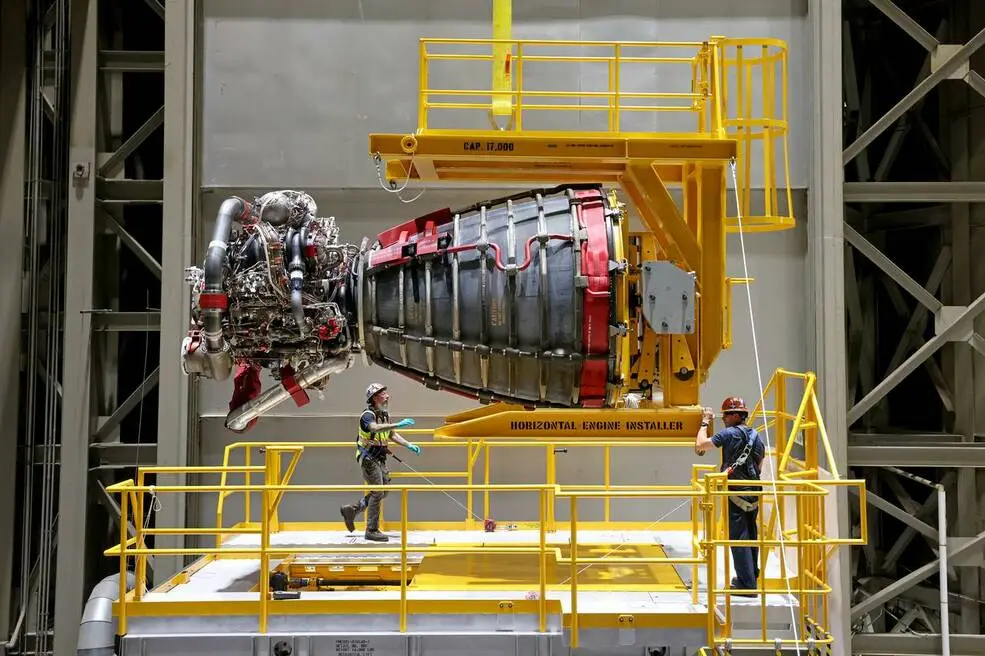
The RS-25 was developed for the space shuttle and now powers the SLS core stage in a configuration intended for deep-space missions. Four engines together can provide up to about two million pounds of thrust, NASA says.
The rocket’s lower section operates in an especially demanding thermal environment as the propulsion system fires and the vehicle moves through the atmosphere. Nozzle protection must withstand that environment while engine performance remains within acceptable limits.
The October test examined a thermal-protection system intended for future engines. NASA has not published a complete engineering data package from this firing, so an outside reader cannot independently judge the detailed test margins or final acceptance status.
Prior NASA RS-25 certification-series background describes how longer ground firings and varied power settings have been used to examine engine behavior. Those earlier tests are context, not the same event as the Oct. 21 firing.
Development Engine Will Not Fly on SLS
Engine No. 10001 is a test article. NASA explicitly says it will not be used in flight, while data from the firing can help improve the performance and reliability of flight hardware for future missions.
NASA lists L3Harris Technologies as its prime contractor for the RS-25 work. The agency says ground-test crews involve personnel from NASA, L3Harris and Nova Space Solutions, combining government test infrastructure with industrial engine expertise.
Flight hardware undergoes its own test and qualification steps before installation on SLS. A successful developmental firing can inform those steps, but does not itself certify a complete rocket for launch or establish a particular Artemis launch date.
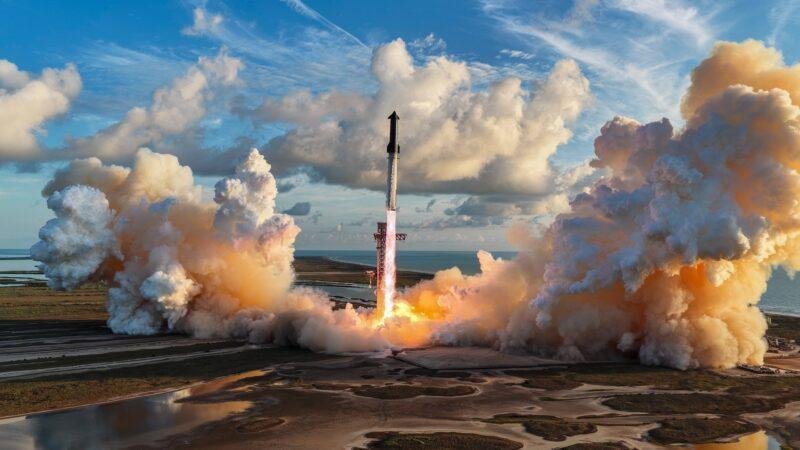
As TAD’s coverage of a recent SpaceX launch and NASA payloads illustrates, flight results and ground-system tests are separate milestones. Both can advance a program without meaning the next mission has already started.
FAQ: RS-25 engine test
How long did the RS-25 engine test last?
NASA reported a 500-second hot fire, approximately the engine-burn duration expected during an SLS ascent.
Did RS-25 engine No. 10001 launch on Artemis?
No. It remained attached to a test stand at Stennis, and NASA says that particular developmental engine will not fly.
What was the purpose of the 111% power setting?
NASA said it matched the power level required for new production RS-25 flight engines and helped examine performance under relevant conditions.
Looking Ahead
NASA will analyze the test data and use the results to support acceptance of flight components and evaluation of nozzle protection. The Oct. 21 report did not give a date for another firing of engine No. 10001 or tie this test to a specific Artemis launch schedule.
Sources