Airbus freighter forecast estimates point to a requirement for 2,670 cargo aircraft over the next two decades as airlines replace older aircraft and expand freight capacity. Airbus published the 2026 Cargo Global Market Forecast on Oct. 21, setting out an outlook through 2045 rather than a list of confirmed orders.
The manufacturer expects the worldwide dedicated-freighter fleet to rise from 2,360 aircraft in 2025 to 3,460 in 2045, an increase of 46%. Total deliveries would exceed net fleet growth because many airplanes would replace aging equipment.
Airbus divides the expected deliveries into 970 new-build freighters and 1,700 passenger-to-freighter conversions. Its figures present an industry-wide scenario, not sales guarantees for Airbus aircraft or contracts already signed.
Table of Contents
Airbus Freighter Forecast Splits Growth and Replacement
The company forecast separates 1,580 replacements from 1,090 aircraft expected to serve fleet growth. The distinction matters because the overall delivery total is much higher than the increase in freighters operating at the end of the 20-year period.
Of the estimated 2,670 deliveries, Airbus assigns 1,140 to single-aisle aircraft, 860 to medium widebodies and 670 to large widebodies. Those segments reflect different cargo route lengths, shipment volumes and airport requirements rather than a single aircraft model replacing every existing freighter.
The forecast should not be read as a plan for Airbus to manufacture all those aircraft. Cargo operators may buy purpose-built jets, purchase converted airframes from other manufacturers or keep existing freighters longer than assumed if conditions change.
Where Freight Demand Is Expected to Rise
Airbus predicts air-cargo traffic will grow 3.2% per year, compared with projected global trade growth of 2.9%. It points to time-sensitive shipments, technology products and e-commerce as demand drivers, while identifying fuel prices and supply-chain constraints as continuing uncertainties.
North America accounts for 925 aircraft in the regional projection, followed by Asia-Pacific at 850. Europe and the Commonwealth of Independent States account for 515, Latin America 165, the Middle East 125 and Africa 90. These are Airbus estimates for delivery requirements, not firm commitments from airlines.
Asia-Pacific is expected to remain a major intercontinental cargo market. Airbus identifies transpacific routes to North America as a particularly important growth corridor. Whether operators add large widebodies or smaller converted jets will depend on shipping density and where demand originates.
Conversions and New Freighters Will Coexist
The projected 1,700 conversions highlight the continuing commercial role of used passenger aircraft. A conversion can extend an airframe’s useful life, but operators still have to account for modification costs, aircraft age and remaining maintenance obligations when evaluating an investment.
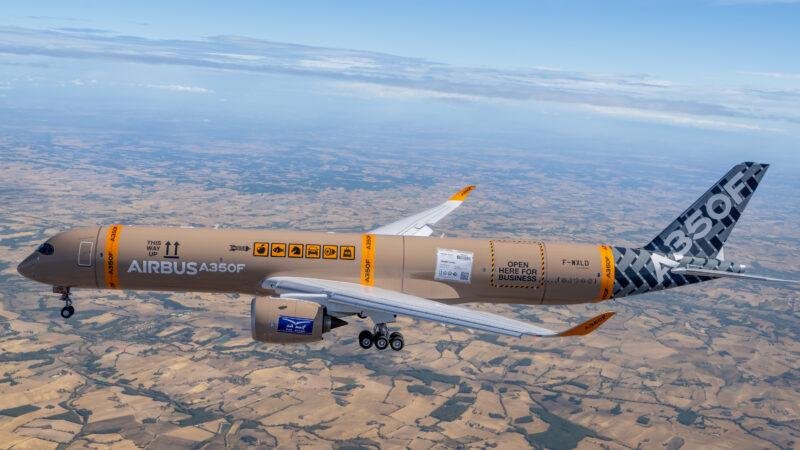
For new-build aircraft, Airbus highlights its A350F and says future fleets could benefit from improved fuel use compared with older-generation freighters. These are manufacturer claims about fleet evolution and product positioning rather than measured results from every cargo airline.
This global cargo projection covers a different market from TAD’s report on Airbus passenger-aircraft demand in Latin America. Passenger-fleet forecasts and cargo-fleet forecasts should not be combined as if they count the same airplanes.
FAQ: Airbus freighter forecast
How many aircraft does the Airbus freighter forecast predict?
Airbus projects demand for 2,670 freighter deliveries by 2045, including replacements and aircraft needed for fleet growth.
How many will be converted passenger jets?
The forecast assumes approximately 1,700 conversions alongside 970 newly built freighters. That is an industry demand estimate, not a purchase order.
Does the forecast mean cargo traffic is guaranteed to grow?
No. Airbus estimates 3.2% average annual cargo-traffic growth under its assumptions; trade, fuel and market conditions could produce different results.
Looking Ahead
The Airbus freighter forecast will be tested by future conversion orders, new freighter deliveries and cargo traffic. Airbus did not present the 2,670-aircraft total as an order backlog, so later airline and lessor commitments will be the evidence of how much of this projected demand becomes firm business.
Sources