The Typhoon Rafale exercise announced by the United Kingdom on Oct. 23, 2026, brought Royal Air Force Typhoon fighters together with French Rafales during a simulated nuclear-strike mission over the Mediterranean. The British Ministry of Defence described it as the first time RAF Typhoons had participated in a French nuclear air exercise.
French Rafale aircraft departed Saint-Dizier Air Base for Exercise Rummy, with British Typhoons serving as escorts. The ministry expressly said that the event involved no nuclear weapons, an essential distinction from an actual armed nuclear mission.
The announcement places an aviation element behind closer British-French deterrence cooperation. The exercise demonstrates coordination between air forces; it is not a report of a new nuclear deployment or a transfer of weapons between countries.
Table of Contents
What the Typhoon Rafale exercise involved
The Ministry of Defence said French fighter crews simulated the strike component while the RAF provided Typhoon escorts. Aircraft from both countries operated in a common mission profile intended to test cooperation during a complex strategic scenario.
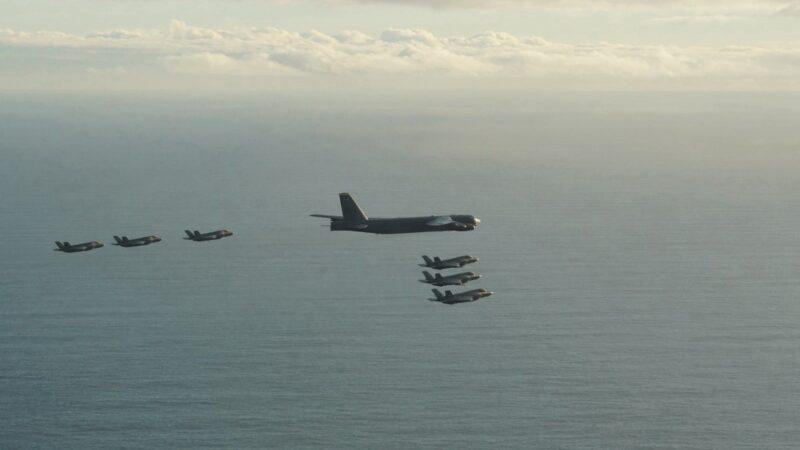
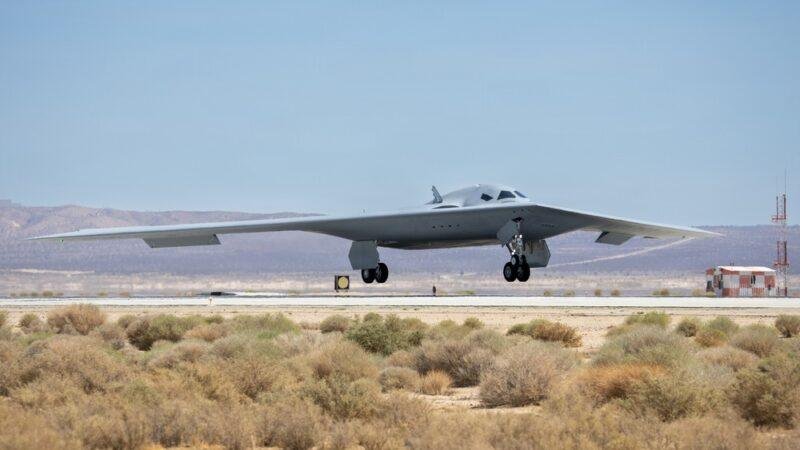
The release identified the Mediterranean as the exercise area and Saint-Dizier as the departure base for French Rafales. It did not publish the total number of participating aircraft, a complete route or the specific supporting units, so those details should not be inferred from accompanying photographs.
The mission was described as a simulation. No nuclear weapon was carried or employed, according to the British statement. That limitation is important because exercises may practice elements of command coordination, protection and support without replicating every feature of a real contingency.
Defense News reported that the joint mission took place earlier in the week, with the two governments making its significance public on Friday. The announcement date and actual flying date should therefore be kept separate in coverage.
Why the Northwood Declaration matters
The UK government linked Exercise Rummy to the Northwood Declaration, an agreement intended to deepen coordination between the two countries on nuclear deterrence. Both states maintain national nuclear capabilities, and the exercise is evidence of operational cooperation rather than a merger of those capabilities.
British Typhoons escorting French Rafales adds a practical airpower component to the political commitment. Escort fighters can participate in shared mission planning and coordination even when their roles differ from those of aircraft assigned a simulated strike task.
The Ministry of Defence characterized the exercise as part of its effort to improve interoperability with a close European ally. That is the government’s assessment of the drill’s strategic value, not an independently measured change in deterrence effectiveness.
Public statements also place the exercise alongside broader British investments in defense and nuclear programs. The ministry referred to its separate plans for F-35A purchases and cooperation with NATO’s nuclear mission, but those plans do not mean F-35As participated in Rummy.
What the flight did and did not demonstrate
The Typhoon Rafale exercise shows that the two forces can conduct at least one coordinated training mission under agreed arrangements. It does not publicly establish how aircraft would be tasked in wartime or what classified command-and-control procedures would apply in an actual crisis.
The official account does not report weapons release, a live targeting mission or a test of nuclear delivery systems. Descriptions of a simulated nuclear strike should not be shortened to a claim that British fighter jets carried French nuclear weapons.
The specific relationship between escorting Typhoons and strike-simulating Rafales matters to the story. It identifies distinct operational roles for the participating aircraft and helps explain why the exercise is notable despite the absence of nuclear weapons.
TAD has previously reported on a separate RAF Typhoon mission supporting Saudi air defense. Those defensive patrol plans and this bilateral deterrence exercise are unrelated operations, sharing an aircraft type rather than a common mission.
FAQ: Typhoon Rafale exercise
Did the Typhoon Rafale exercise use nuclear weapons?
No. The United Kingdom’s Ministry of Defence specifically said Exercise Rummy did not involve nuclear weapons.
What did British Typhoons do during the French exercise?
They escorted French Rafales as the French aircraft simulated a nuclear-strike mission, according to the British government.
Where was Exercise Rummy conducted?
The ministry reported operations over the Mediterranean, with French Rafales launching from Saint-Dizier Air Base in France.
Looking Ahead
Neither government specified a date for the next combined exercise in the reviewed announcement. Subsequent statements will be needed to establish whether Exercise Rummy becomes a recurring bilateral flying activity.
Sources
- UK Ministry of Defence, Oct. 23 — Joint air nuclear exercise
- Defense News, Oct. 23 — UK and France carry out joint airborne exercise
- TAD — RAF Typhoon Saudi mission