Riyadh flight cancellations reached approximately 86 percent of scheduled services between October 8 and 25, 2026, according to Cirium data reported by Reuters on October 26. The analytics firm recorded 4,071 cancellations out of 4,736 planned flights at King Khalid International Airport.
The data puts a measurable scale on the disruptions caused by repeated attacks and airspace concerns in Saudi Arabia. Reuters reported that the capital’s airport began a partial reopening on October 25 after a prolonged operational halt.
The figures do not mean 86 percent of flights are necessarily being cancelled today. They describe a defined 18-day period and should not be presented as a live forecast for every passenger or airline.
Table of Contents
Riyadh Flight Cancellations in the Cirium Count
Reuters calculated the reported cancellation rate using Cirium’s schedule and flight-status data. The underlying 4,736 flights are scheduled services over the October 8–25 interval, not a count of individual stranded travelers or aircraft physically parked at the airport.
The result shows how difficult regular service became during that period. The airport is a major Saudi gateway, so cancellations can also interfere with connections and subsequent rotations elsewhere in airline networks, even when the affected flight is not a direct arrival at Riyadh.
It would be inaccurate to assume every cancelled flight resulted from a direct strike on airport infrastructure. Airlines also act on airspace restrictions, crew positioning, insurance, operational planning and their own safety assessments; Reuters linked the broader disruption to the security situation.
Partial Reopening Does Not Restore Full Service
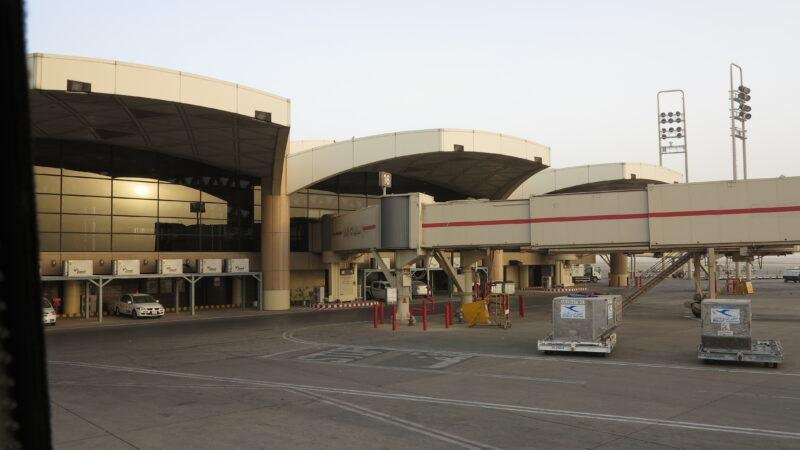
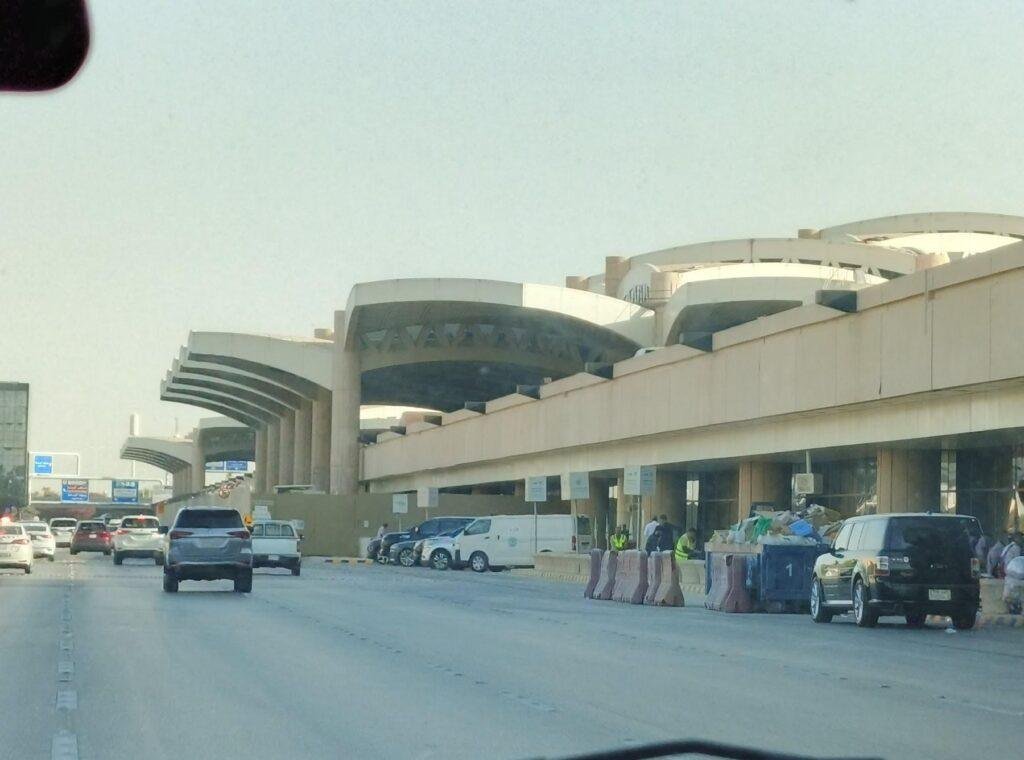
Reuters said Saudi authorities partially reopened King Khalid International on October 25, with domestic services resuming from Terminal 1 and Saudi carriers able to operate some international flights from Terminal 2. That is a limited resumption, not confirmation of a normal schedule.
International operators have announced suspensions extending into November, while Delta Air Lines has delayed the start of its Saudi route until next year. Those decisions reflect separate airline assessments and are not automatically reversed by the terminal reopening.
The same Reuters report said the Houthis claimed another attack against the airport on October 26. That claim should be attributed to the group rather than independently treated as a verified account of damage or casualties from the latest alleged strike.
Broader Effects Across Saudi Aviation
Air services in the kingdom have already faced multiple waves of disruption. TAD reported the earlier attack on Dammam Airport, while separate coverage examined airline service suspensions and warnings affecting operations around Riyadh.
Passenger disruption reaches beyond a single airport when airlines adjust crew duties, stop selling seats or redirect aircraft. Published schedule changes may occur at different times by carrier, so travelers should rely on direct airline notices for eligibility for rebooking or refunds.
The Cirium count provides a retrospective baseline for later comparison. It cannot determine how many services will operate tomorrow, whether further security incidents will occur or when every foreign carrier will restore its original network.
FAQ: Riyadh flight cancellations
How many Riyadh flight cancellations were reported?
Cirium recorded 4,071 cancellations from 4,736 scheduled services between October 8 and 25, Reuters reported.
Has Riyadh airport reopened?
Reuters reported a partial reopening on October 25, with domestic operations from Terminal 1 and some international services from Terminal 2.
Do the reported figures describe today’s flight cancellations?
No. The 86 percent rate covers the specified October 8–25 historical period, not a live operational forecast.
Looking Ahead
The next meaningful indicator will be updated airport and airline schedules after the partial reopening. Aviation data for subsequent days will be needed to assess whether the cancellation rate is falling; no comprehensive return-to-normal date has been confirmed.
Sources
- Reuters: How Houthi attacks have grounded flights across Saudi Arabia, October 26
- TAD: Qatar Saudi flights suspended through October 24
- TAD: Dammam airport attack, earlier coverage