FAA 737 airworthiness directives published on October 27, 2026, require operators to address sealing concerns around certain engine fuel shutoff valve access panels on Boeing 737 airplanes. The two final rules cover different groups of 737 models and are intended to reduce the possibility that leaking fuel could create a fire hazard on the ground.
The directives are mandatory maintenance requirements for airplanes within their specified applicability, not an announcement that every Boeing 737 is unsafe or that a fire has occurred on each affected aircraft. The exact work depends on the model and the Boeing service material incorporated into the rules.
Table of Contents
FAA 737 Directives and the Affected Models
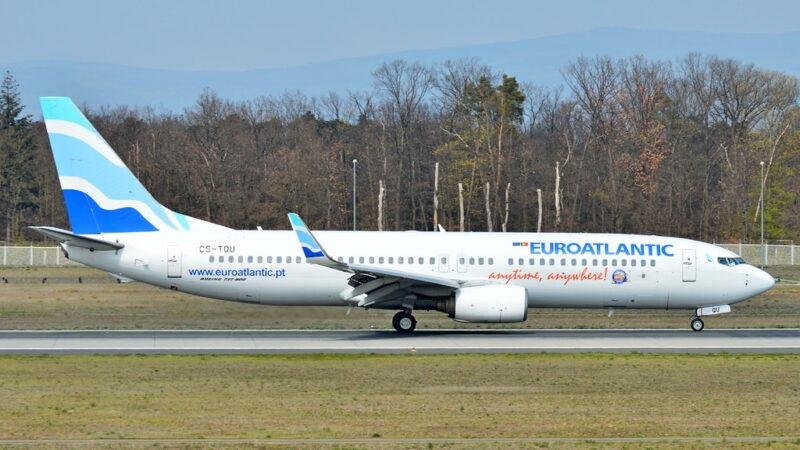
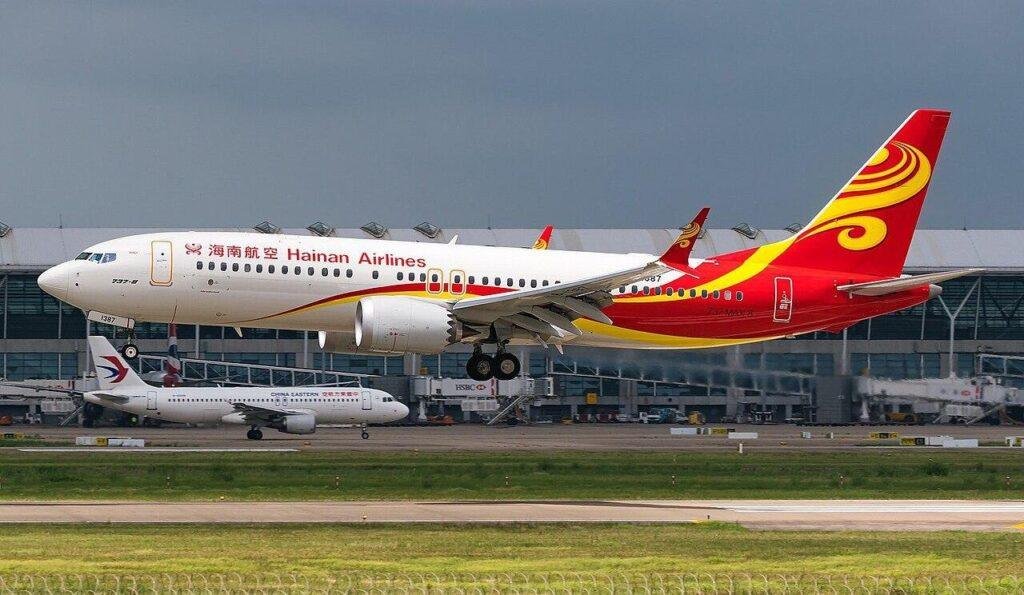
The October 27 official announcement covers specified 737-700, -700C, -800 and -900ER airplanes, while the parallel second source document addresses specified 737 MAX variants. Operators must examine the applicability sections and incorporated service instructions before deciding which aircraft require action. The two rulemaking documents should be read together only to describe the shared hazard, not to merge their separate aircraft lists.
A final airworthiness directive carries a compliance obligation for operators of affected U.S.-registered aircraft. The rules describe required inspections and corrective actions, including attention to access-panel sealing. A broad fleet count cannot responsibly be inferred from a model family name alone; applicability is narrower than every airplane of each type built.
Why an Access-Panel Seal Matters
The issue concerns sealing around fuel shutoff valve access points in the engine area. If a seal does not perform as intended, fuel may escape into locations where an ignition source could be present. The FAA identifies the potential for a ground fire, which is a hazard analysis rather than a statement that an individual aircraft has already caught fire.
The required maintenance work is preventive: identify affected configurations and restore sealing arrangements as directed. Maintenance teams must follow the specific service instructions, not substitute generic inspections. The physical location of a component can also affect inspection access and the scheduling of work during aircraft maintenance visits.
How the 737NG and MAX Rules Differ
The 737NG and 737 MAX are related families but have separate design and fleet configurations. The FAA therefore issued two airworthiness directives rather than a blanket notice covering all versions with identical instructions. Each rule has its own applicability, instructions and compliance provisions, and operators should not assume that an inspection on one series satisfies another.
The published rules are effective December 1, 2026, making the date important for maintenance planning. The new fuel-panel measures are also a different subject from the earlier TAD coverage reported by TAD concerning 737NG stabilizer inspections. Shared aircraft branding is not evidence that those two airworthiness issues have a common cause.
Safety Oversight and What Is Not Known
An airworthiness directive shows how a regulator responds to a documented unsafe condition through mandatory maintenance or operational measures. It does not necessarily imply an immediate grounding, a blanket flight ban or a recall of every aircraft in the family. Operators can often accomplish corrective actions in prescribed compliance windows subject to the rule.
The material reviewed does not establish that passengers on a particular flight were placed in danger or that a specific incident was caused by the access-panel sealing condition. Aviation safety reporting should separate the identified potential hazard, the required engineering remedy and any independently documented event. Those distinctions remain essential as compliance begins.
FAQ: FAA 737
What do the FAA 737 directives require?
They require specified inspections or corrective actions for fuel shutoff valve access-panel sealing on affected aircraft.
Are all Boeing 737 aircraft affected?
No. Each directive specifies applicability based on model and relevant Boeing service instructions.
Do the directives report a confirmed fire?
The rules address the potential for fuel leaks and ground fire; they do not establish a fire on every affected airplane.
Looking Ahead
The two directives take effect December 1, 2026. Operators must identify their affected aircraft and complete the required steps within the applicable compliance periods. Any later FAA amendment or Boeing service update would need to be evaluated against the two original rules.
Sources
regulations.justia.com — original announcement
regulations.justia.com — supplementary source