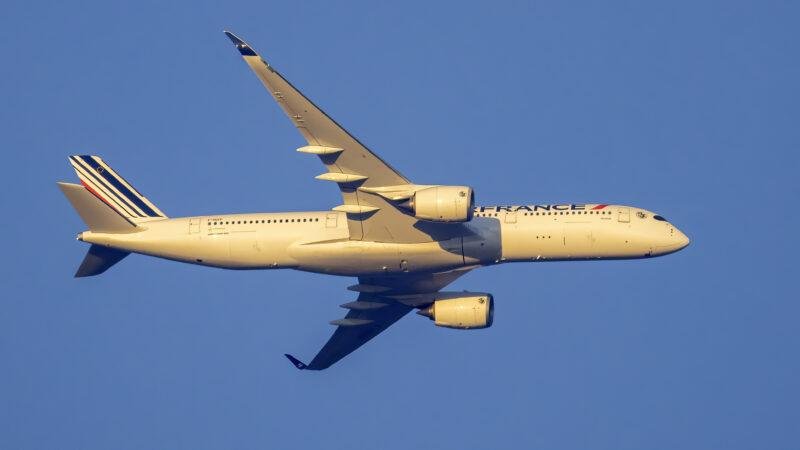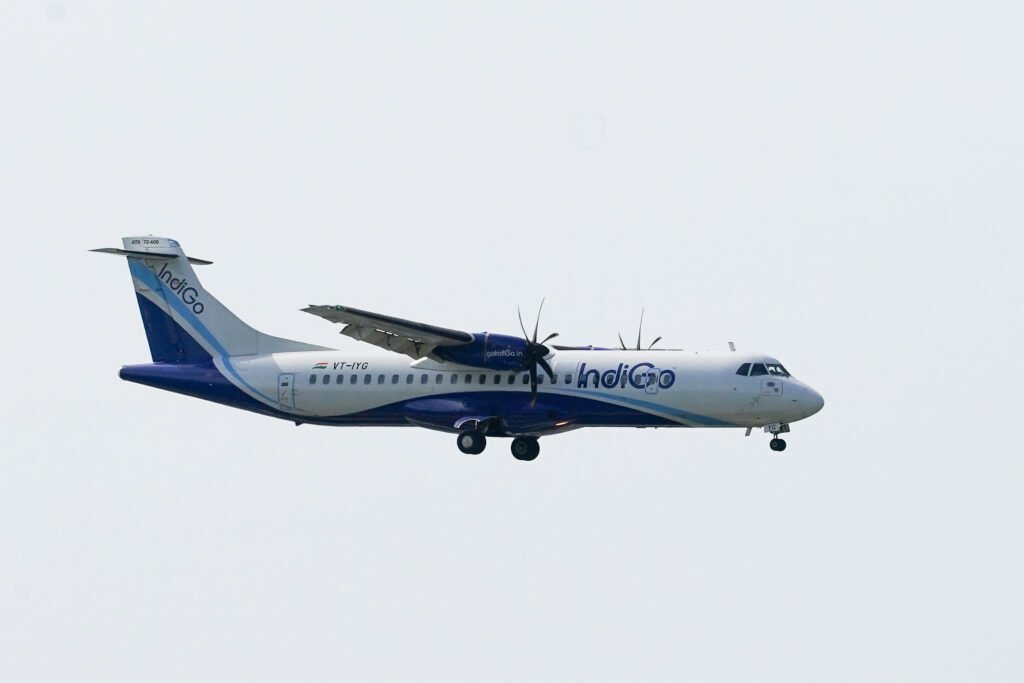
Collins propeller overhaul capacity is set to expand in India after Collins Aerospace broke ground on a new facility in Bengaluru on Nov. 17. The RTX business said the shop will maintain propeller systems for ATR 42 and ATR 72 regional aircraft and the Airbus C295 military transport.
RTX’s announcement puts the expected start of operations in early 2029. The facility will be built at the Collins India Operations Center and is intended to serve customers in India and across the Asia-Pacific region.
Table of Contents
What the Collins propeller overhaul shop will service
The two aircraft families serve different markets. ATR’s turboprops are used in regional aviation, while Airbus’s C295 is a military transport. The overlap for the new facility is the propeller systems that Collins has identified for maintenance, repair and overhaul. ATR’s technical overview lists a turboprop powerplant for the ATR 72-600, one of the aircraft in the program’s stated scope.
RTX described the site as India’s first propeller overhaul facility authorized by a foreign aerospace original equipment manufacturer. The description is limited to that type of authorization. The work announced for Bengaluru is component-level service, with the company naming propeller systems and no broader aircraft overhaul scope.
Component support can be a separate decision from where the rest of an aircraft is serviced. TAD previously reported on an Airbus A350 component support venture in another market. The Bengaluru project addresses the same broad question of where customers can get specific hardware serviced, for different aircraft and components.
Why an in-country shop matters
Collins said the facility will put propeller services closer to operators and described shorter overhaul turnaround and aircraft downtime as objectives. Those outcomes will depend on how the operation performs once it opens. The announcement gave neither a turnaround target nor the annual number of propellers the shop will be able to process.
For an operator, the practical milestones are the date the shop begins accepting work, which assemblies and tasks are in scope, and what service terms apply. The company announced the airframe families and the opening target, leaving details such as the launch customer and work schedule for later disclosure.
Collins called the project a multimillion-dollar commitment without naming a specific figure. RTX separately cited more than $200 million deployed by Collins in India over the preceding five years. That company-wide figure covers engineering, manufacturing, testing and aftermarket work in the country.
How the new shop fits into Bengaluru operations
The Collins India Operations Center opened in November 2025 at the KIADB Aerospace Park. RTX said the 26-acre campus supports production of more than 70 products across several kinds of aircraft systems. The propeller shop adds a maintenance function at a site already doing manufacturing work.
RTX expects up to 50 specialized technicians and engineers at the facility, with room for staffing to grow as service volume increases. The Nov. 17 milestone was the start of work on the facility. Hiring, qualification and opening are distinct steps, and the company gave no separate dates for those intermediate milestones.
FAQ: Collins propeller overhaul
Which aircraft will the Collins propeller overhaul shop support?
RTX named the ATR 42 and ATR 72 regional turboprops and the Airbus C295 military transport.
When will the Bengaluru facility open?
RTX expects operations to start in early 2029. It has yet to give an exact opening date.
Does the project have a published investment value?
RTX described it as a multimillion-dollar commitment and did not give a project-specific dollar amount.
Looking Ahead
The next public milestones for Collins propeller overhaul in Bengaluru are further facility buildout and a firmer start date. RTX currently targets early 2029 for operations.
Sources
- RTX’s Bengaluru groundbreaking announcement
- TAD’s reporting on Airbus component maintenance capacity
- ATR’s ATR 72-600 technical overview
- Featured photo by Timothy A. Gonsalves (CC BY-SA 4.0)