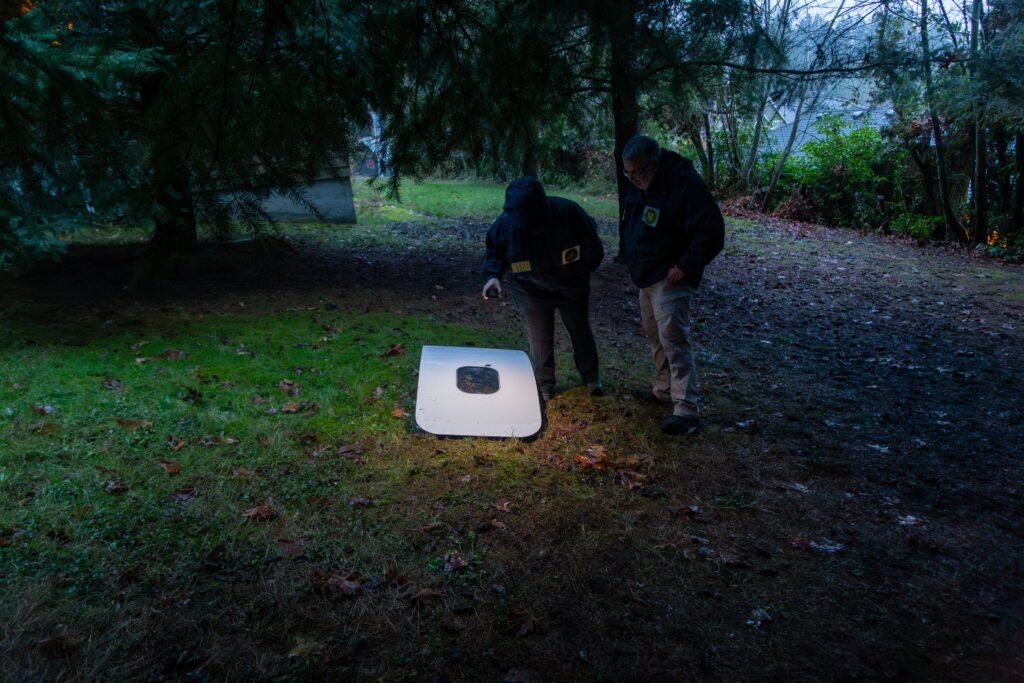
The FAA supplier oversight audit opened on November 20 to examine how the regulator oversees aircraft manufacturers’ quality systems for domestic and foreign suppliers. The U.S. Department of Transportation’s Office of Inspector General cited recent concerns about manufacturing oversight, including the detached door plug on an Alaska Airlines Boeing 737-9 in 2024.
The audit announcement sets out a question for investigators to answer. The watchdog wants to know how effectively the Federal Aviation Administration oversees the systems manufacturers use to manage supplier quality. Its eventual findings could identify where the FAA should change the way it selects, conducts or follows up on oversight work.
Table of Contents
What the FAA supplier oversight audit will examine
The inspector general’s stated objective covers the effectiveness of FAA oversight of aircraft manufacturers’ quality assurance systems as they apply to domestic and foreign suppliers. Production often spans several companies. An aircraft manufacturer might receive completed assemblies or parts from outside firms and then incorporate them into a finished aircraft. The audit is about the FAA’s scrutiny of how manufacturers manage that work.
That scope matters because a conformity problem can begin outside a final assembly plant or emerge when a supplied assembly is reworked there. In both cases, records of inspections, rework and release decisions help show where controls operated and where they broke down. The announcement leaves the audit team to determine which practices and records it will examine.
Why the watchdog cited the Alaska Airlines door plug
On January 5, 2024, a left mid-exit door plug separated in flight from Alaska Airlines Flight 1282. The National Transportation Safety Board found that four bolts intended to keep the plug from moving upward were missing before the flight. The NTSB examined how work on the plug had been documented and how the aircraft had been returned to production after that work.
The door plug investigation and the new audit have different questions. The accident investigation reconstructed what happened to Flight 1282 and led to safety recommendations. The inspector general will look more broadly at the FAA’s oversight of manufacturer systems that are supposed to control supplier quality. Its announcement names the accident as context for that work.
The FAA has already changed parts of its oversight process
The watchdog said the FAA recently revised its risk assessment practices for manufacturer oversight and introduced a new tracking system. It also said its last report on FAA oversight of aircraft manufacturers’ suppliers was in 2008. The new review gives the inspector general an opportunity to examine how oversight works under the current approach.
A useful distinction for manufacturers and suppliers is between a change in an oversight procedure and evidence that the change is working. The FAA can introduce a new system for tracking oversight. The audit can then examine how the agency uses the information and whether it follows up on the issues it identifies.
FAQ: FAA supplier oversight audit
What is the FAA supplier oversight audit looking at?
It will evaluate how effectively the FAA oversees manufacturers’ quality assurance systems for domestic and foreign suppliers.
Who is conducting the audit?
The U.S. Department of Transportation’s Office of Inspector General announced and initiated the audit.
Has the watchdog published findings?
The November 20 notice gives the audit objective. The findings will come after the review.
Looking Ahead
Watch for the inspector general’s report and any FAA response. The initiation notice gives no date for publication of the findings.
Sources
- DOT Office of Inspector General audit announcement
- NTSB final report on Alaska Airlines Flight 1282
- Featured image — National Transportation Safety Board (U.S. public domain).