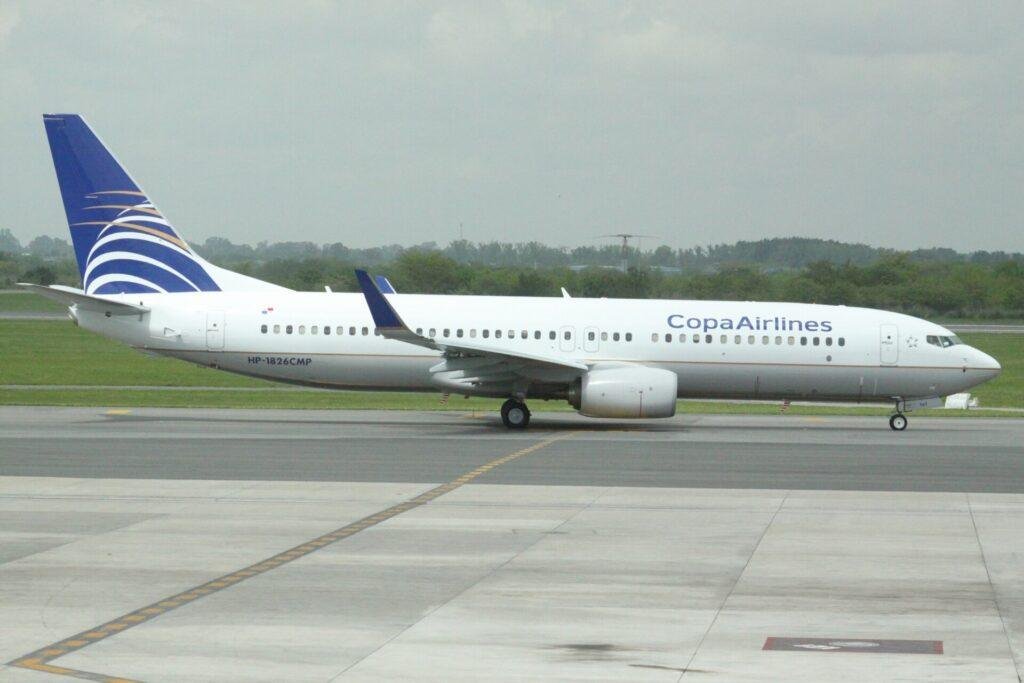
Miami taxiway collision investigators are examining how a Copa Airlines Boeing 737 wingtip struck the nose of a UPS Boeing 767 at Miami International Airport on the night of Nov. 14, 2026. The FAA confirmed the contact and said it was investigating the encounter at an intersection used by taxiing aircraft.
Two Copa passengers were treated for minor injuries, according to subsequent airport and airline accounts. The passenger aircraft was arriving from Panama City, Panama, while the UPS freighter was preparing to depart for Bogota, Colombia.
Table of Contents
Miami taxiway collision sequence under review
In its Nov. 14 incident statement, the FAA said controllers had instructed the UPS flight crew to give way to the arriving Copa aircraft. The Copa jet was taxiing toward its gate while the cargo aircraft was heading out for departure. The regulator identified the impact points as the 737 wingtip and the 767 nose.
Associated Press reporting citing the NTSB said preliminary information indicated that the UPS aircraft had proceeded too far at the intersection. That is an investigative account of the movements, not a final probable-cause conclusion. Investigators still must establish timing, clearances, crew responses, visibility and other relevant conditions.
An air traffic recording discussed in news coverage includes a UPS pilot acknowledging that the aircraft had moved too far forward. Such audio can help determine the sequence, but a single exchange cannot establish every contributing factor in a taxiway collision. Official findings should be distinguished from early media interpretation.
Passengers, damage and airport movements
The Copa Boeing 737 carried 172 people, according to an airline account cited by the Associated Press. Two passengers were evaluated for minor injuries and did not require ambulance transport to a hospital. The available reports did not describe a broader pattern of serious injuries.
Photographs of the UPS aircraft showed damage to its nose, while the full damage assessment for both airplanes remained pending. The extent of visible damage should not be confused with an airworthiness determination; airlines and investigators will determine inspection and repair requirements separately.
Miami airport officials said flights were routed around the affected taxiways and initially reported no airport-wide operational impact. TAD previously reported a separate Boeing 767 runway incident at Miami, but that earlier event was different in date, aircraft movements and investigative circumstances. The Saturday collision must be treated as its own case.
What investigators will try to establish
Taxiway intersections are managed through clearance instructions, signs, markings and communication between flight crews and air traffic control. A statement that one aircraft was told to yield identifies an expected movement, but investigators still need to document whether the instruction was heard, understood and followed.
The NTSB said it was gathering information about the occurrence. UPS confirmed it was cooperating with authorities and would not speculate about the cause. Neither a final report nor a formal probable-cause determination had been released in the sources checked for this article.
The most consequential outstanding questions concern the precise aircraft positions, the timing of the stop or yield instruction, and whether anything else influenced the encounter. Until the evidence is reviewed, responsibility for the event should not be assigned solely from a preliminary account.
FAQ: Miami taxiway collision
Which aircraft were in the Miami taxiway collision?
A Copa Airlines Boeing 737 and a UPS Boeing 767 made contact while taxiing at Miami International Airport.
Were passengers hurt?
Two people on the Copa flight received on-scene treatment for minor injuries, according to airport and airline reporting.
What caused the collision?
Federal investigators have described preliminary movements, but a completed cause determination has not been published.
Looking Ahead
The FAA and NTSB are examining the incident. A preliminary investigative update may clarify the recorded taxi route and clearance sequence, but the agencies had not issued a final cause determination in the available information.
Sources
- FAA November 14 incident statement
- Associated Press November 15 report citing NTSB and Copa
- ABC News FAA and airport statements