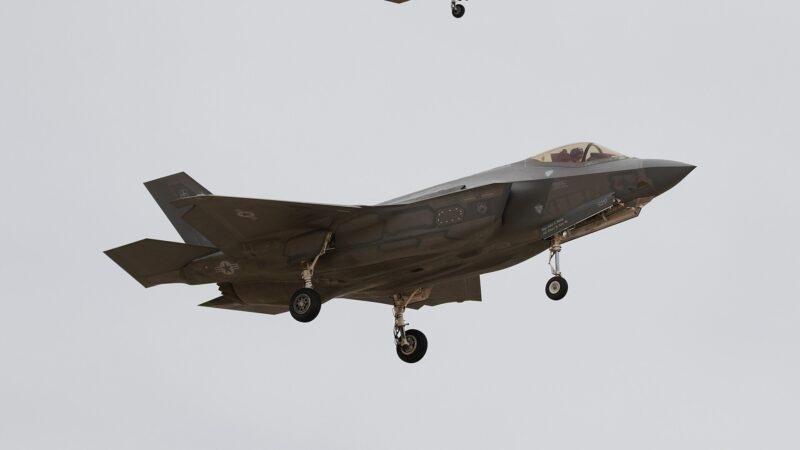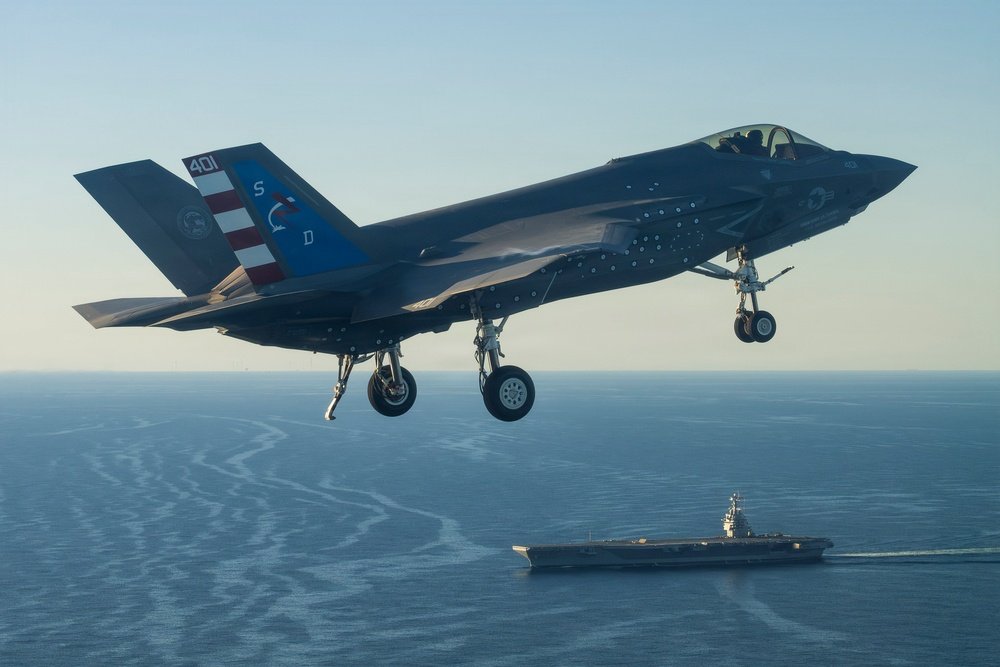
The F-35C carrier clearance now extends across the U.S. Navy’s aircraft carrier fleet, Lockheed Martin said on November 19. The company attributed the decision to shipboard compatibility trials aboard the future USS John F. Kennedy, a Gerald R. Ford-class carrier.
The Aviation Diary previously reported on the aircraft’s first recovery aboard Kennedy in October. Lockheed Martin’s November update adds the outcome of the broader trial and the manufacturer’s account of the Navy’s clearance. The next evidence of how the Navy will use it will come from training and deployment announcements.
Table of Contents
What changed with the F-35C carrier clearance
The October milestone showed that an F-35C had recovered aboard a Ford-class ship. Lockheed Martin says the testing phase that followed supported clearance for the aircraft to operate across the Navy’s carrier fleet. The significance lies in the scope of the company’s November announcement, which goes beyond the first landing pictured in the Navy’s October photo release.
The F-35C is the carrier variant of the Lightning II. For the Navy, expanding the compatible deck options makes the aircraft available for planning across carrier classes. The announcement leaves open which ships will take it on future deployments, which squadrons will embark and when the Navy will announce those assignments.
Kennedy trials covered launches and recoveries
According to Lockheed Martin, the trial ran for 11 days and involved two F-35Cs from Naval Air Station Patuxent River. The company counted 34 flights, 122 catapult launches and 122 arrested landings. Those are separate tallies from the manufacturer’s account, which does not detail how it broke down the events by flight.
Kennedy uses the Electromagnetic Aircraft Launch System and Advanced Arresting Gear. A carrier’s launch and recovery equipment must work with each aircraft cleared for the deck. The trial paired the F-35C with those systems aboard a Ford-class ship, following earlier shore-based work, according to Lockheed Martin. The Oct. 13 U.S. Navy image records the first landing milestone from that campaign.
Compatibility is one step toward air wing integration
Carrier aviation also depends on crew training, maintenance support and air wing planning. Squadron assignments are operational decisions that follow on their own schedules. The company’s account establishes the broader clearance and identifies the campaign behind it. It leaves the Navy’s future deployment plans for a later announcement.
For readers following the new carrier, the distinction helps put the October and November events in sequence. The October imagery showed a specific test event at sea. The November statement described the outcome and what the manufacturer said the Navy had authorized. Future ship or air wing announcements will show how that authorization translates into routine operations.
FAQ: F-35C carrier clearance
What did Lockheed Martin say about F-35C carrier clearance?
The company said the Navy cleared the F-35C across its aircraft carrier fleet after the Kennedy trials.
Which ship hosted the Ford-class trials?
The future USS John F. Kennedy, hull number CVN 79, hosted the compatibility tests.
When did the first recovery take place?
The Navy’s photo release dates the event to October 13, 2026.
Looking Ahead
Watch for Navy announcements on air wing integration or deployment. The November manufacturer statement did not provide an embarkation schedule.
Sources
- Lockheed Martin’s November 19 fleet clearance announcement
- Featured image — U.S. Navy / Dane Wiedmann (U.S. public domain).
- Featured image reuse terms
Related profiles