Canada CF-35A deliveries have begun, with the Royal Canadian Air Force accepting its first two Lockheed Martin F-35A Lightning II fighters at Luke Air Force Base in Arizona on Oct. 22, 2026. The air force announced the milestone the following day, starting an aircraft-supported training phase rather than deploying an operational fighter unit in Canada.
The aircraft, designated CF-35As in Canadian service, will initially remain in the United States while pilots and maintainers prepare for the new type. Their handover comes as the government continues reviewing the ultimate size of an acquisition originally intended to replace Canada’s aging CF-188 Hornet fleet with 88 fighters.
Table of Contents
Canada CF-35A Arrival Opens the Training Phase
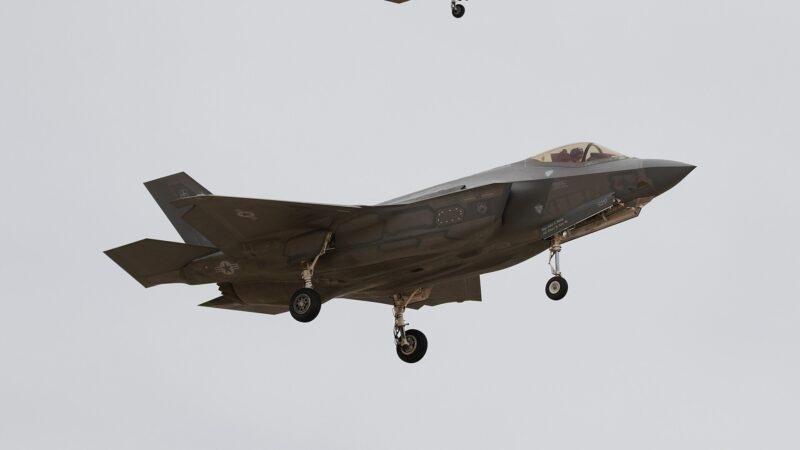
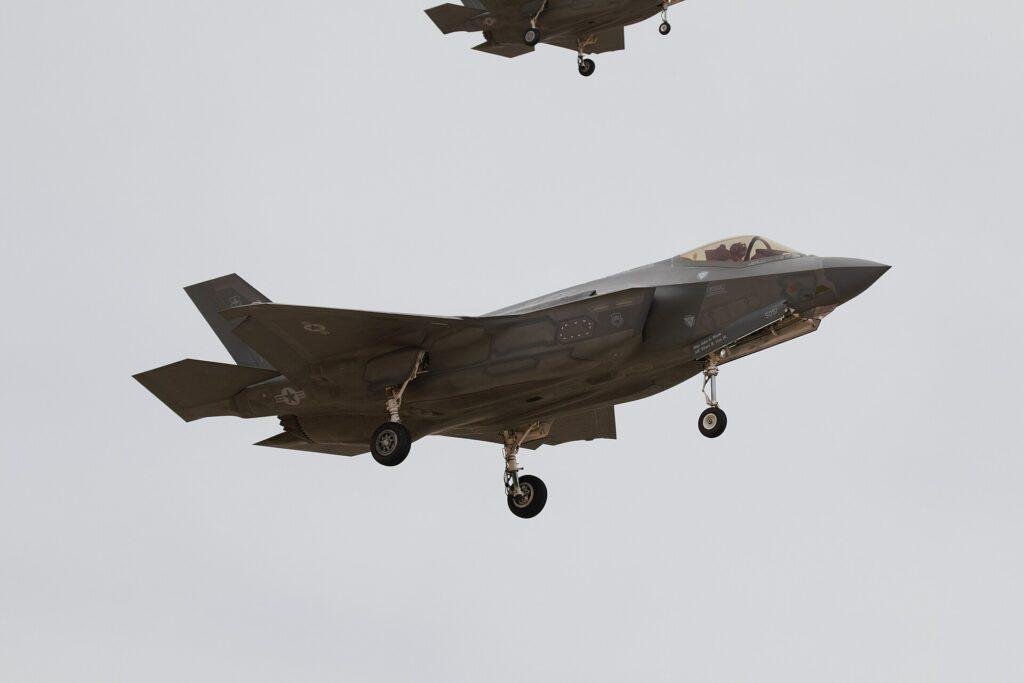
The RCAF announcement confirms that two fighters arrived at Luke on Oct. 22. A photograph released with the announcement shows a low-visibility maple-leaf roundel and Canadian markings on aircraft 001. Receipt is a delivery milestone; it does not mean a combat squadron is ready for domestic operations.
Canada selected the F-35A for its Future Fighter Capability Project after a competition to replace the CF-188, the Canadian designation for the F/A-18 Hornet. The first Canadian aircraft also completed an initial flight in Texas in September, before the October handover. Aircraft deliveries are one part of a longer transition involving training, maintenance and infrastructure.
Luke Air Force Base Will Prepare Canadian Crews
Luke is a U.S. Air Force F-35 training hub near Phoenix. Using its established instruction, simulators and maintenance infrastructure allows the first Canadian crews to prepare while Canada develops permanent facilities at home. Canada CF-35A training involves pilots, technicians and planners, not simply accepting aircraft from the manufacturer.
Canada’s 2026–27 defence project report schedules the first aircraft at Luke in 2026 and identifies the beginning of Canadian pilot training as an objective. More aircraft are expected for the initial training phase through 2027. The October announcement did not establish a confirmed date for the first Canadian pilot course or operational deployment.
Fleet Size Remains Subject to a Government Review
The Canada CF-35A milestone does not settle Ottawa’s longer-term procurement debate. Canada committed to an initial group of 16 fighters, but the wider plan for 88 aircraft remains subject to review. Accepting the first two should not be interpreted as final authorization of every aircraft in that original proposal.
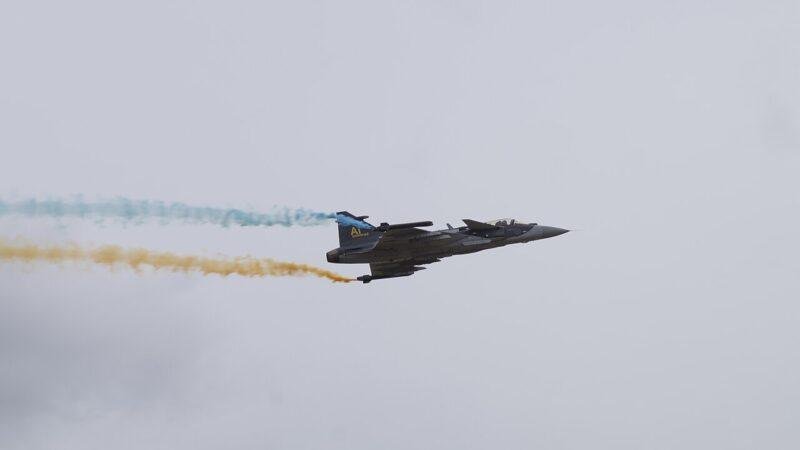
Saab has promoted its Gripen fighter as an alternative or complement to the F-35. TAD previously reported the manufacturer’s position in Canada F-35 Review: Saab Renews Gripen Production Push. The new delivery is a distinct development: two actual fighters have entered the training pipeline even as the final force structure remains unsettled.
First Home-Based Fighters Are Planned for 2028
The government’s fighter project page sets out a transition that includes new infrastructure, support equipment and domestic operations. The current schedule targets the first fighters arriving in Canada in 2028, initial operational capability in 2029 and full capability in 2033. Those dates remain planning targets, not completed milestones.
Work at Cold Lake, Alberta, and Bagotville, Quebec, is part of the program. Canada’s auditor general has examined infrastructure, cost and delivery risks, underscoring the difference between possessing aircraft and fielding an operational force. The first two jets will not immediately relocate from Arizona, and no final decision date for the full purchase has been announced.
FAQ: Canada CF-35A
Where are the first Canada CF-35A fighters?
Canada accepted the first two aircraft at Luke Air Force Base in Arizona on Oct. 22, 2026, for initial pilot and maintainer training.
Has Canada finalized its entire 88-aircraft purchase?
No. The initial commitment of 16 aircraft is distinct from the broader program of record, whose final size remains under government review.
When will CF-35A jets arrive at Canadian bases?
The government targets 2028 for the first arrivals in Canada and 2029 for initial operational capability. Both are scheduled milestones, not completed events.
Looking Ahead
The next steps are additional deliveries to the Luke training program, conversion of Canadian personnel and construction of support facilities at home. The air force has not announced that the two accepted jets are ready for deployment in Canada, and a final timeline for resolving the wider fleet review has not been given.
Sources
Royal Canadian Air Force — October 23 delivery announcement
Department of National Defence — major-project status report
Government of Canada — Future Fighter Capability Project
Office of the Auditor General — fighter-capability audit
TAD — Canada F-35 review and Saab proposal