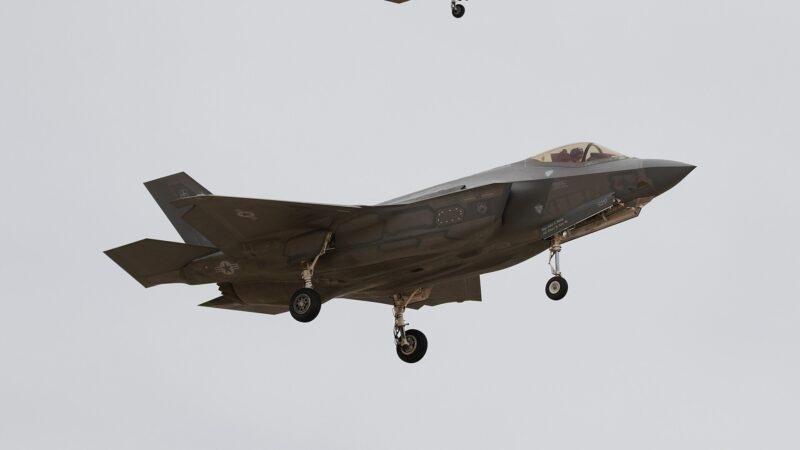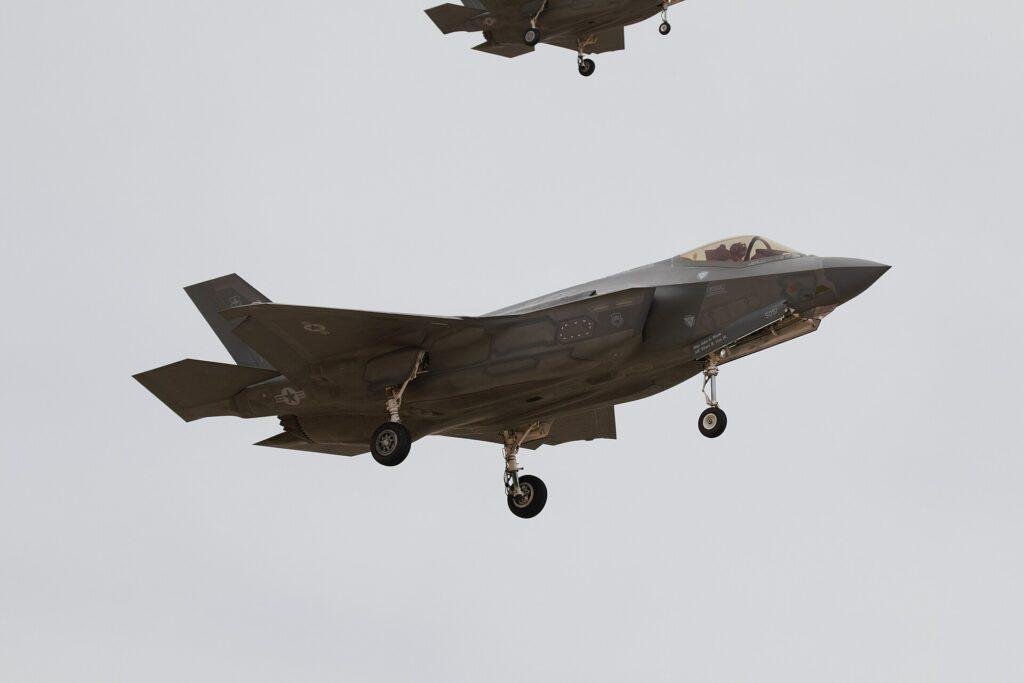
Canada F-35 review activity has not ended with delivery of the Royal Canadian Air Force’s first two aircraft. Defence Minister David McGuinty told reporters on October 29 that Ottawa is still examining its broader plan to acquire eighty-eight Lockheed Martin fighters, despite accepting the initial jets at Luke Air Force Base in Arizona.
The two aircraft were received in the United States rather than arriving at an operational Canadian squadron. The federal government has committed financially to at least the initial sixteen jets. The new statement is a decision-status update and does not reverse or cancel deliveries already accepted.
Table of Contents
Canada F-35 Review and the 88-Jet Plan
The government originally planned an eighty-eight-aircraft purchase, but the scope remains subject to a federal review. McGuinty said decision-makers need to consider industrial benefits and emerging autonomous aircraft that could operate alongside fighters, among other factors.
Canada’s review began amid concerns about relations with the United States and its procurement policy. The minister did not say the government had selected a competing aircraft or fixed a date for a final decision. The longer-term outcome remains a matter for Canadian authorities.
The receipt of two jets illustrates how acquisition commitments already in motion can continue while wider policy questions remain open. A delivery, a financial commitment and a final fleet decision are distinct events, even when they concern the same aircraft program.
The original announcement and its qualification details can be read in the primary source.
What the First Two Aircraft Mean
The Royal Canadian Air Force said the initial aircraft arrived at Luke Air Force Base, a U.S. training location, rather than immediately entering Canadian operational service. This stage supports training and program transition but does not by itself establish fleet readiness in Canada.
Earlier TAD reporting covered the first aircraft acceptance. The October 29 development is the minister’s explicit statement that the political and procurement review continues. It is therefore a follow-up with a new factual angle rather than a duplicate delivery story.
The planned number of eighty-eight remains the reference point for the review, while commitments for at least sixteen aircraft reflect decisions already made. Reports should not describe the total program as canceled or reduced to sixteen without an official decision to that effect.
For related reporting, see TAD’s earlier article, Canada CF-35A Delivery: First 2 Jets Reach Luke AFB. That separate development provides context and should not be confused with the announcement reported here.
Industrial Benefits and Alternate Fleet Options
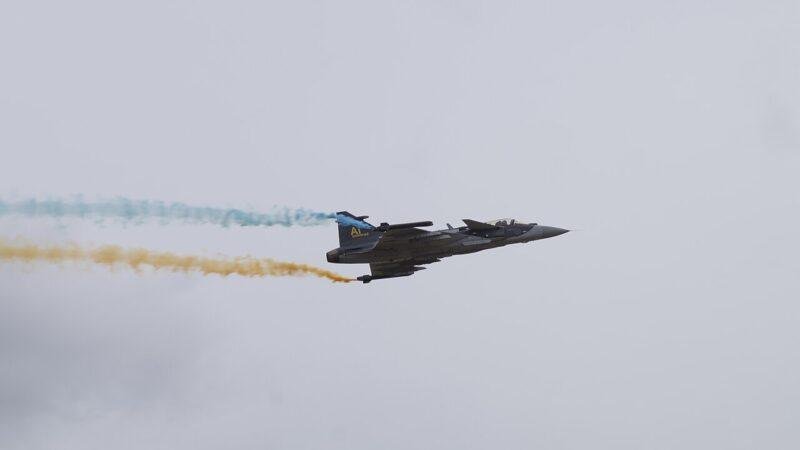
Canadian debate has included the industrial opportunities associated with alternative fighter arrangements and the possibility of mixing aircraft types. Swedish company Saab has publicized relationships with Canadian suppliers linked to its Gripen proposal, but those industry moves are not proof of a Canadian government selection.
The minister also pointed to emerging uncrewed systems that might fly alongside manned fighters. Such concepts could affect long-term force planning, but the reported remarks did not identify a new procurement award for an uncrewed fleet or replace the existing F-35 commitments.
A review of this scale has implications for training, infrastructure, supply chains and defense budgets. Until the government announces a decision, those consequences are possibilities rather than confirmed changes to Canada’s aircraft acquisition schedule.
FAQ: Canada F-35 review
Is the Canada F-35 review over after two deliveries?
No. The defence minister said the broader purchase remains under review.
How many fighters were originally planned?
Canada’s plan included eighty-eight F-35s, with financial commitments for at least the first sixteen.
Has Canada selected the Saab Gripen instead?
No. The October 29 ministerial remarks did not announce an alternative fighter selection.
Looking Ahead
A federal decision on the future structure of the fighter purchase is the key outstanding milestone. The government gave no confirmed deadline for concluding the review in the report examined.
Sources