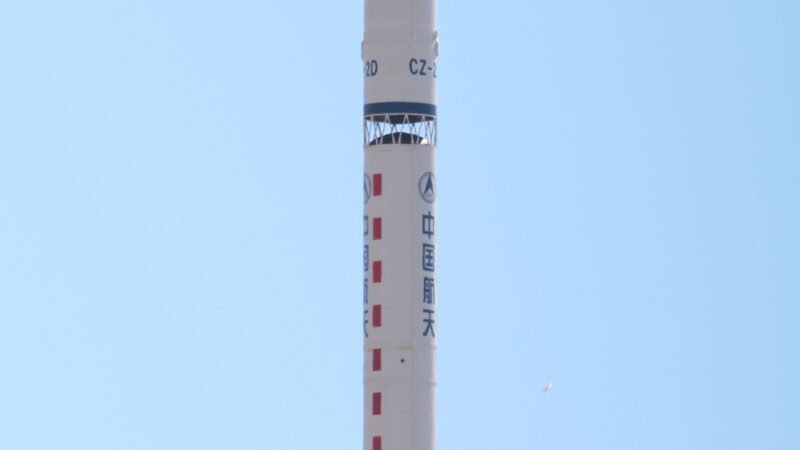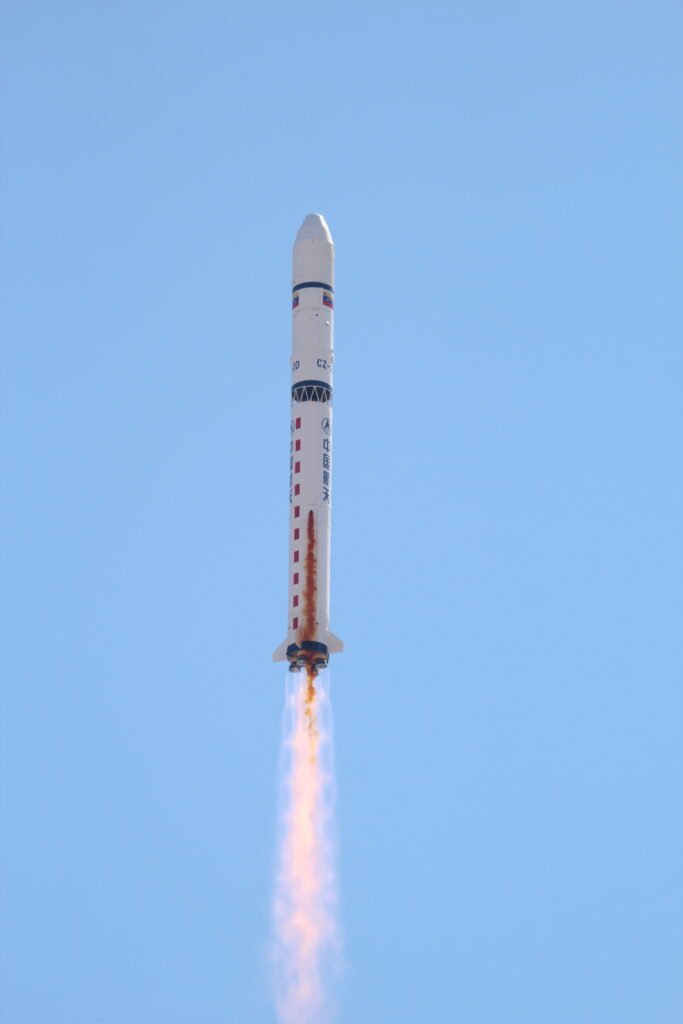
The Yaogan-49 launch put a group of Chinese remote-sensing satellites into their planned orbits on Nov. 26, Xinhua reported. A Long March 2D lifted off from the Xichang Satellite Launch Center in Sichuan province carrying the group identified as Yaogan-49 01.
The rocket departed at 5:38 p.m. Beijing time, or 09:38 UTC. Xinhua said the satellites reached their intended orbits. Its announcement described several intended applications but did not give the number of spacecraft in the group or publish their orbital parameters.
Table of Contents
What China confirmed about the Yaogan-49 launch
The departure and orbit insertion were both reported as completed milestones. That makes the Nov. 26 announcement a launch result, with the next stages of spacecraft checkout and operations still to be described. Xinhua identified both the rocket variant and the satellite group, allowing the mission to be distinguished from other recent Chinese launches.
China counted the flight as the 681st mission for the Long March rocket series, a figure also reported by Anadolu. The count covers the wider series of launch vehicles. Thursday’s individual launcher was the Long March 2D, and the announcement identified Xichang as its departure site.
What the Yaogan-49 01 group is intended to do
Xinhua said the satellites would support scientific experiments, surveys of land and natural resources, crop yield estimates, and disaster prevention and mitigation. Those applications all rely on observations of Earth, though the announcement did not say what instruments were on board or how the spacecraft would divide that work.
The stated applications describe the program’s objectives. Details such as instrument type, coverage, imaging resolution and when data might become available would determine how the new satellites can be used in practice. The launch announcement gave no date for the start of operations and offered no sample observations.
How the mission compares with another Long March 2D flight
In TAD’s coverage of the Shijian-24 launch, China reported that the same launcher variant carried Shijian-24 into its planned orbit. That mission departed from Taiyuan, in Shanxi province. The Nov. 26 mission used a different launch center and delivered the spacecraft identified collectively as Yaogan-49 01.
The two launches illustrate why the rocket variant, payload designation and launch site are each useful when identifying a mission. Thursday’s series-wide count places the launch within the broader Long March program. The Xichang departure and the Yaogan-49 01 designation identify the specific flight and satellite group.
FAQ: Yaogan-49 launch
Where did the Yaogan-49 launch take place?
The Long March 2D lifted off from the Xichang Satellite Launch Center in southwestern China’s Sichuan province.
What time did the rocket depart?
Xinhua reported liftoff at 5:38 p.m. Beijing time on Nov. 26, corresponding to 09:38 UTC.
Did the satellites make it into orbit?
Xinhua reported that the group reached its planned orbits. It did not publish detailed orbital parameters in its launch announcement.
Looking Ahead
A later update on the Yaogan-49 launch could establish the number of spacecraft, their orbital assignments and when the group begins supplying data. Chinese state media did not give a timetable for those details in its initial report.
Sources
- Xinhua’s launch announcement
- Anadolu’s launch report
- TAD’s earlier Long March 2D coverage
- Featured image by Cristóbal Alvarado Minic (CC BY 2.0)
This article may include links to travel booking partners. If you book through them, The Aviation Diary may earn a commission at no extra cost to you.