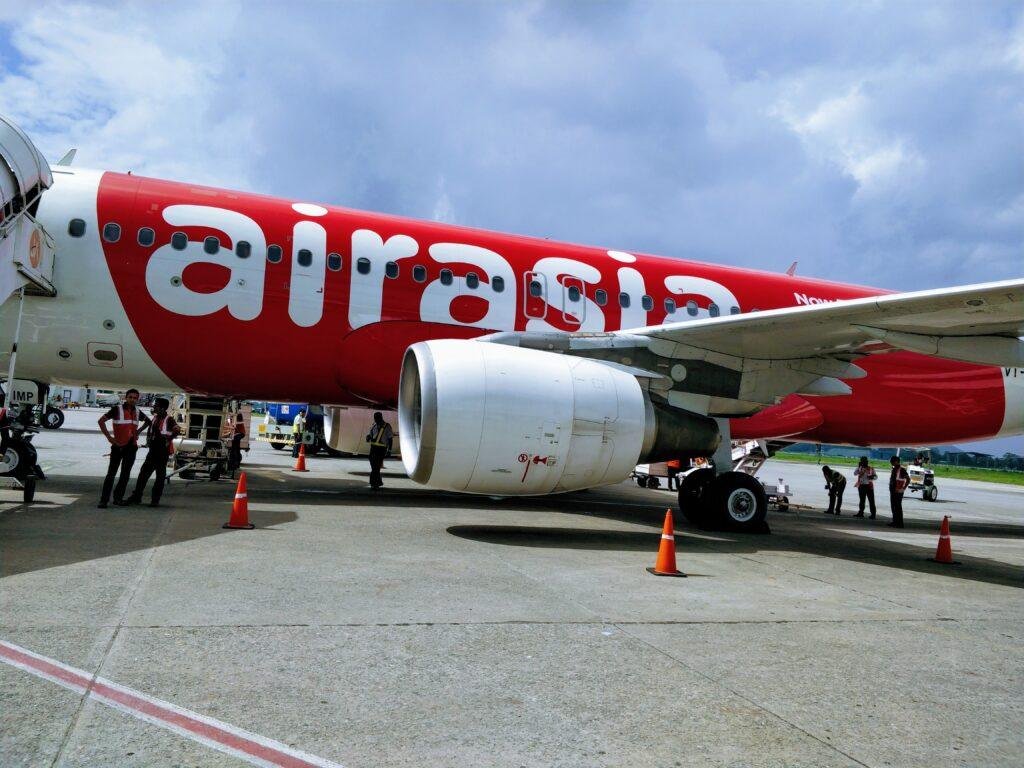
AirAsia funding support has not been agreed by Malaysia’s government, the Finance Ministry said in a written parliamentary response reported Oct. 20. Officials said no commitment or agreement exists to provide financial help through public funds, loans or guarantees. The statement addresses questions about the low-cost airline’s finances amid higher jet fuel costs and regional disruption.
That position is narrower than a permanent government refusal to consider assistance. The ministry said potential support requests would be assessed according to public interest, fiscal sustainability and protection of taxpayer funds. It also emphasized that the airline remains important to domestic and international connectivity. Reporting this as a confirmed bankruptcy, government bailout or rejection of an actual signed loan would misstate the available evidence.
Table of Contents
What Officials Said About AirAsia Funding Support
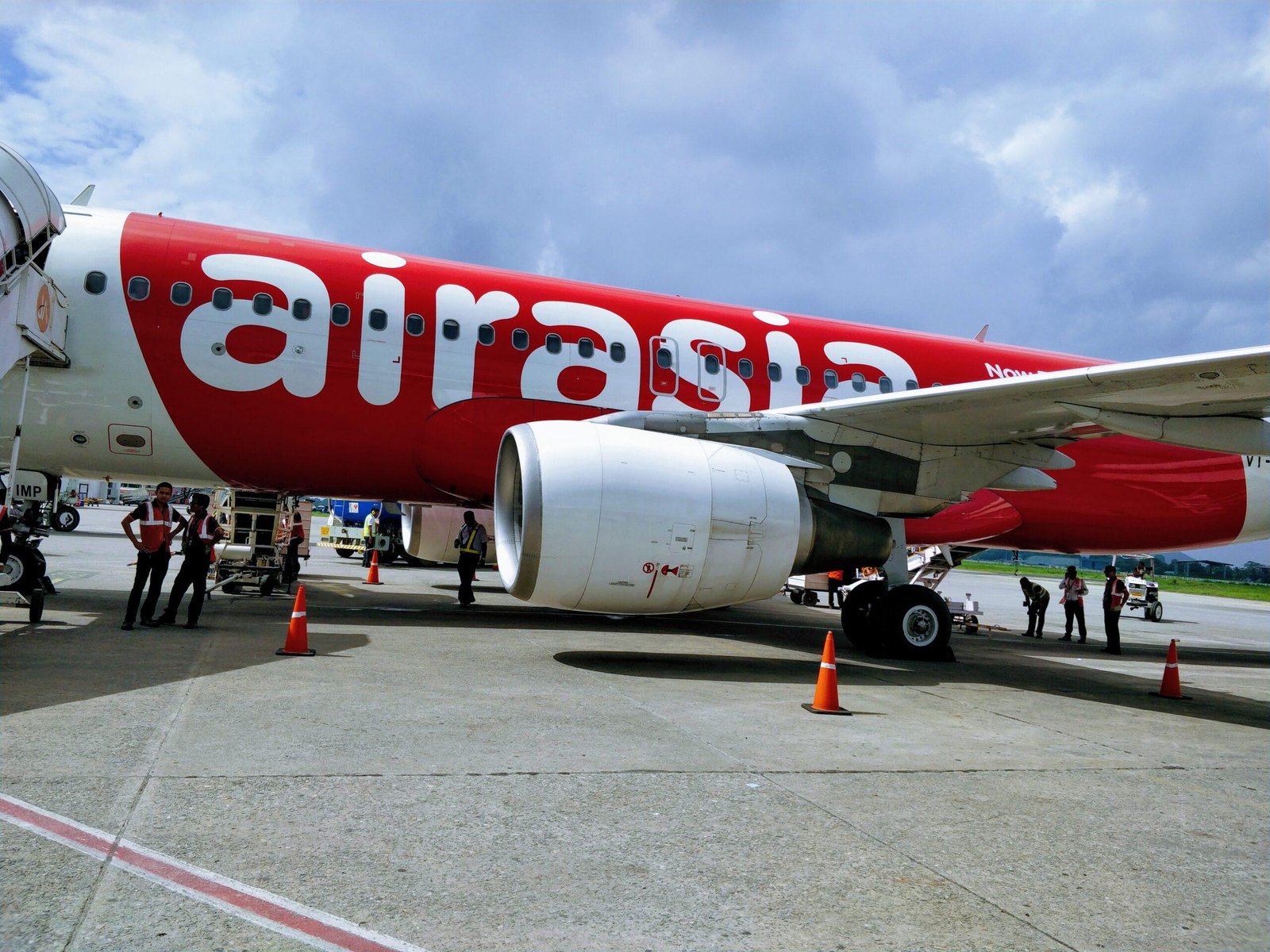
The Finance Ministry’s written answer came in response to a parliamentary question about whether the state was considering guarantees, loans or injections of public money. Officials said no agreement had been reached and no commitment had been made. They also declined to validate speculative figures circulating in media reports, citing the potential impact on markets and those connected to the company.
The ministry acknowledged the pressure that energy prices and wider geopolitical conditions place on airline operations. It said the government continues to consult aviation industry participants and technical experts as part of routine monitoring. Those statements show the matter is under observation, but they do not amount to approval for a particular financing package.
The primary announcement is available at the original source.
Why Fuel Prices Are Central to Airline Finances
Fuel is a major variable expense for airlines. A sharp rise can increase the cost of operating a flight even when aircraft capacity, crew requirements and airport charges remain unchanged. Carriers can respond with fares, capacity changes, hedging and financial management, but the outcome differs by airline. AirAsia has linked recent losses in part to expensive jet fuel against the backdrop of conflict in West Asia, according to contemporary Malaysian reporting.
A difficult earnings period should not be confused with insolvency. Financial viability depends on liquidity, debt obligations, financing access and the operating outlook, none of which can be determined from a single parliamentary response. AirAsia has previously said it had not discussed a government bailout and remained confident in its liquidity position, according to Bernama reporting carried by Malaysian outlets.
AirAsia’s Role in Malaysia’s Connectivity
The Finance Ministry highlighted AirAsia’s importance to domestic air travel and links involving Sabah and Sarawak. The Star reported that AirAsia carried about 41% of 104.5 million movements at Malaysia Airports-operated airports in 2025, as well as a particularly large share of domestic traffic. Those figures show why a financial debate involving the airline can have transport-policy implications.
However, historical market share does not predict the airline’s future network or guarantee that public financing will be provided. Passenger numbers also vary by measurement and reporting period, so comparisons need consistent definitions. The key question for travelers is whether the airline continues to operate their booked flights under existing conditions, rather than whether a proposed state transaction has been announced in speculation.
Market Reaction and Editorial Limits
Contemporary reporting described a fall in AirAsia shares after the government statement. Market movements may reflect many factors and should not be assigned a single cause without additional evidence. Likewise, a government statement that no financing deal exists does not establish whether private lenders or other sources may provide future capital.
A balanced article should record the official position, the airline’s own statements and the underlying fuel-price pressures. TAD should request or confirm a fresh company response before publication if portraying the latest financial outlook. It should avoid suggesting that the government has already agreed to rescue the carrier or that an airline shutdown is imminent.
FAQ: AirAsia funding support
Has Malaysia approved AirAsia funding support?
No. The Finance Ministry said it has made no agreement or commitment involving public funds, loans or guarantees.
Does the government statement mean AirAsia has failed?
No. It addresses state financing, not a legal finding of insolvency or suspension of airline operations.
Could Malaysia consider financing later?
The ministry described criteria for assessing potential requests, but announced no approved assistance package.
Looking Ahead
Future reporting should watch official AirAsia financial disclosures, financing announcements and any new parliamentary or Finance Ministry statements. Until an agreement is documented, government aid must be described as uncommitted rather than approved.
For related TAD reporting, see IndiGo aircraft financing.
Sources