American A321 cockpit fumes were reported on American Airlines flight AA2411 on Sunday, October 11, prompting the crew to divert to Memphis while traveling from Charlotte to San Francisco. Aviation incident reporting says the Airbus A321 landed safely after the crew noticed an unusual odor in the flight deck.
The Aviation Herald account carried by AeroInside identified the aircraft as N934AA and reported 113 people on board. It placed the flight near Memphis at flight level 340 when the pilots donned oxygen masks and made the diversion decision.
The cause of the odor has not been identified in the material reviewed. Although the incident reporter described a potentially toxic smell, the available reporting does not establish a chemical substance, a confirmed contamination source or an injury.
Table of Contents
How Flight AA2411 Reached Memphis
According to AeroInside, the flight was approximately 100 nautical miles northeast of Memphis when the crew chose to change its destination. The A321 was operating at flight level 340, an altitude normally expressed as 34,000 feet under standard pressure settings, before turning toward the alternate airport.
The account says the pilots used oxygen masks and landed on Memphis runway 36C roughly 22 minutes after deciding to divert. Flightradar24’s publicly visible history separately records AA2411 as diverted to Memphis on October 11, supporting the change of destination.
Those sources establish a diversion and reported crew response, not the precise composition of the odor. Neither source made public a cockpit-air sampling result, maintenance finding or formal incident investigation conclusion.
Why Crews Treat Unexplained Cockpit Odors Seriously
An unidentified smell in the flight deck introduces a safety concern because crews need reliable breathing conditions and full situational awareness to manage the aircraft. Use of oxygen masks can be a protective precaution when pilots are uncertain about the air they are breathing.
That action does not, by itself, prove toxic exposure. Words such as “fumes,” “smoke” and “odor” are often used interchangeably in early accounts, but they describe different levels of observation and evidence. This report contains no verified laboratory result identifying a contaminant.
Choosing Memphis reduced the time between the reported odor and landing. It also allowed airport response services to be available if needed. The reporting reviewed does not independently confirm what emergency response equipment, if any, was deployed after arrival.
What Remains Unknown About the A321 and Passengers
The reviewed report says 113 people were aboard and the plane landed safely. That does not tell readers whether the aircraft was immediately cleared to fly again or whether passengers resumed travel on the same airplane.
The aircraft registration N934AA links the account to a particular Airbus A321-200, but no maintenance log was available. The alleged odor cannot be attributed to the air-conditioning system, an electrical fault or another source without a documented finding.
There also was no direct American Airlines statement in the opened sources. Accordingly, the cockpit-mask detail and the elapsed diversion time are attributed to the specialist incident report, while the visible flight-history listing provides independent support only for the diversion itself.
FAQ: American Airlines AA2411 Diversion
Why did American flight AA2411 divert to Memphis?
Aviation incident reporting says the crew noticed an unusual cockpit odor and diverted as a precaution.
Did the American A321 cockpit fumes incident end in a safe landing?
Yes. The reported Airbus A321 diversion ended with a safe landing at Memphis on October 11.
Was the source of the cockpit odor confirmed?
No. The material reviewed does not establish a verified chemical, system fault or root cause.
Looking Ahead
The next substantive update would be an airline or maintenance explanation for the odor and the aircraft’s operating status. Any later regulator or investigator statement would be evaluated separately from the initial incident report. Until then, a safe diversion following a reported cockpit smell is the confirmed editorial focus.
Sources
- AeroInside / The Aviation Herald — AA2411 cockpit odor, Oct. 11
- Flightradar24 — AA2411 diversion flight history
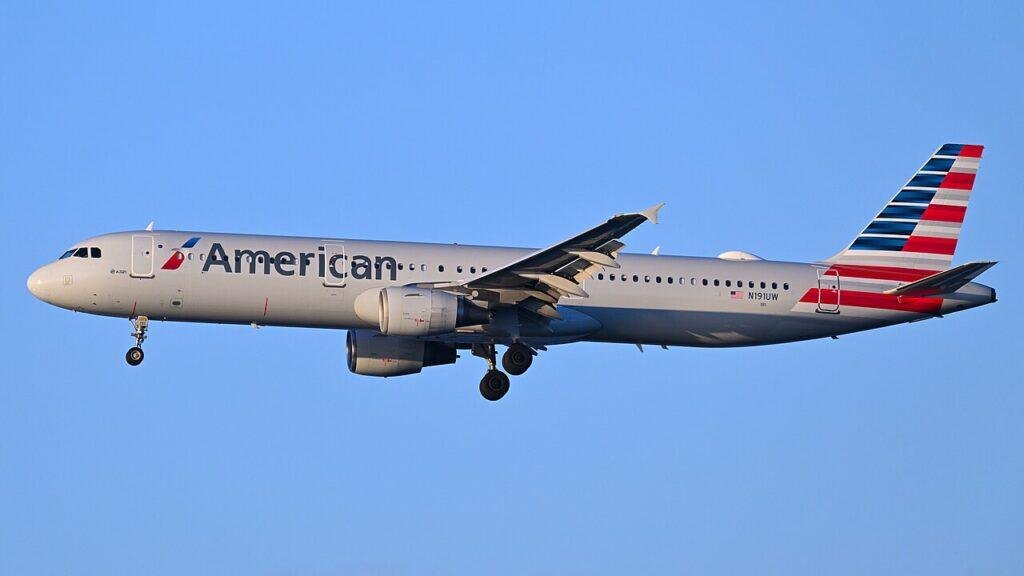
File photo (2024): American Airlines Airbus A321 N191UW approaching Boston. Different aircraft from AA2411; archive representative photo. Photo: 4300streetcar / Wikimedia Commons; license: CC BY 4.0.