The Army DCA collision review released October 8 describes measures the service has taken or is pursuing after the January 29, 2025, collision between an Army Black Hawk helicopter and American Airlines Flight 5342 near Washington National Airport.
The Army said its administrative investigation examines internal aviation policy and makes recommendations about military procedures. It explicitly warned that this work does not replace or supersede the independent National Transportation Safety Board investigation.
The distinction is important because the public is weighing actions by multiple agencies. The Army can change helicopter operating rules and maintenance oversight, while the NTSB independently examines broader system safety, including civilian air traffic control and route design.
Table of Contents
Army DCA Collision Review Targets Altitude and Surveillance
According to the Army DCA collision review announcement, post-crash risk controls address airworthiness, altitude awareness and Automatic Dependent Surveillance–Broadcast reliability. ADS-B is a surveillance technology intended to make aircraft position information available to compatible users and systems. A policy change about its reliability should not be described as proof that every aircraft was equipped or transmitting correctly.
The Army also listed cockpit traffic-awareness training and command oversight among its reform areas. These measures concern how crews monitor nearby aircraft, how units supervise flight operations and how the service checks that technical and procedural changes are actually followed in daily missions.
The release does not provide a dated completion checklist for every reform. It says some recommended actions are finished and others remain underway. That leaves an important difference between a corrective action announced on paper and a change demonstrated consistently across affected aircraft and crews.
NTSB Findings Address Wider Washington Airspace Risks
The NTSB previously determined that systemic failures in airspace design, risk management and safety oversight contributed to the collision. Its public account identifies the aircraft as a UH-60L helicopter operating near a PSA Airlines CRJ700 flying as American Airlines Flight 5342. The collision occurred over the Potomac River close to Ronald Reagan Washington National Airport.
The NTSB said 67 people were killed, encompassing everyone aboard both aircraft. Its recommendations extend beyond Army cockpit procedures to helicopter-route design, air traffic control practices, safety management and collision-avoidance technology. That broader scope helps explain why no single organization can settle every part of the safety response.
The Army DCA collision review and the NTSB’s independent work should be read together but not conflated. This article reports what the Army says it has changed; it does not independently determine whether specific individuals acted improperly or whether any one procedure caused the crash.
Implementation Matters More Than the Announcement
The Army DCA collision review says the service began time-sensitive aviation safety changes immediately after the collision and continued developing longer-term reforms while the investigation proceeded. Emergency preparation, safety reporting and civilian-military coordination are among the other areas highlighted in the October statement.
In practical terms, those categories cover different layers of protection. Airworthiness checks address aircraft condition; altitude and traffic-awareness procedures address crew decisions in flight; and coordination with civilian operators addresses shared use of busy airspace. Effective safety protection depends on these layers reinforcing one another.
The Army directed readers to its AR 15-6 administrative investigation through its Freedom of Information Act portal and linked a fact sheet on safety changes. The public release alone does not establish the operational effectiveness of every measure. Follow-up audits and transparent completion reporting will matter as much as the initial list.
FAQ: Army DCA collision
What did the Army release about the DCA collision?
It released findings from an administrative investigation and described completed and ongoing changes to Army aviation policy and training.
Is the Army investigation the same as the NTSB investigation?
No. The Army says its internal AR 15-6 inquiry does not replace or supersede the independent NTSB safety investigation.
What areas of Army aviation safety are changing?
The Army identifies altitude awareness, ADS-B reliability, cockpit traffic training, airworthiness and civilian-military coordination among the affected areas.
Looking Ahead
The Army DCA collision review says officials will continue verifying implementation of the recommendations. Readers should watch for documented completion of outstanding measures and subsequent public reporting on how those changes operate alongside NTSB recommendations.
Sources
- U.S. Army — October 8 administrative investigation release
- NTSB — systemic failures and DCA collision safety recommendations
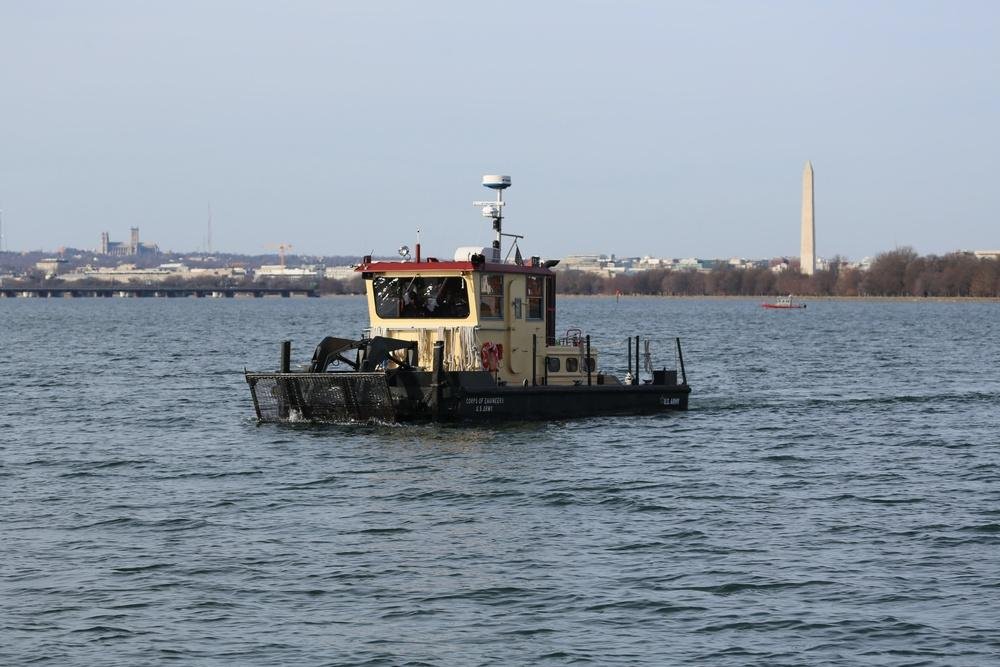
Image credit: U.S. Army / Jeremy Todd (US-GOV-PUBLIC-DOMAIN; reuse terms). Featured image is an archival or contextual illustration, not the reported event.