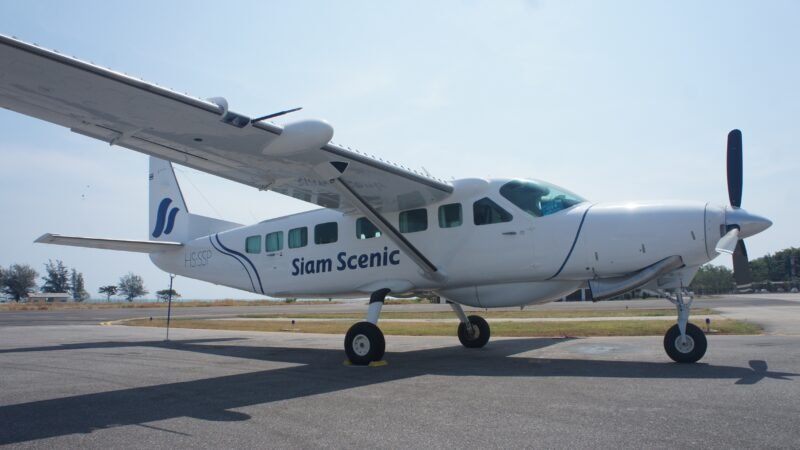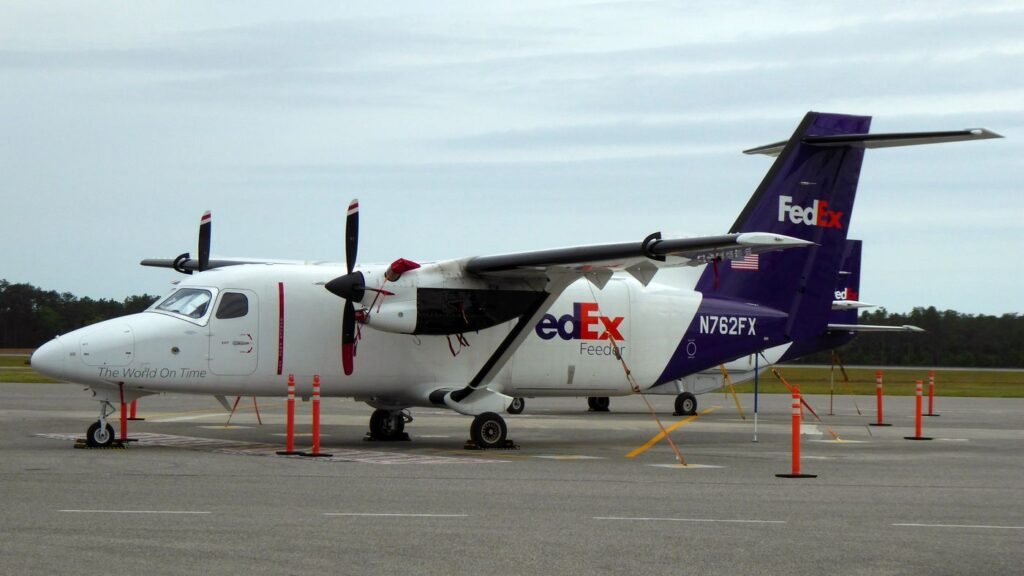
Cessna SkyCourier operations have reached Africa with the delivery of two turboprops equipped for medical evacuation to Algeria’s Tassili Travail Aérien. Textron Aviation announced the handover on Nov. 18 and identified the aircraft as the first customer SkyCouriers to enter service on the continent.
Textron’s delivery announcement said the aircraft will serve the Algerian energy sector from Algiers and Hassi Messaoud. The operator will be able to use them for passenger transport, medical evacuation or cargo by changing the cabin configuration to suit the assignment.
Table of Contents
How Tassili will use the Cessna SkyCourier
Tassili Travail Aérien is a subsidiary of Sonatrach, Algeria’s state-owned oil and gas company. Textron said the aviation operator already provides transport, medical evacuation and other special missions for the energy industry. The two new aircraft are intended to support that existing work.
The basing plan assigns the aircraft to two locations. Textron named Algiers and Hassi Messaoud in its release, but gave no schedules, regular passenger routes or list of sites the aircraft will serve. Its announcement describes a fleet addition for the operator’s energy-sector work.
Combining these roles makes the cabin equipment central to the purchase. An aircraft assigned to passenger transport needs a different layout when used to move a patient or carry freight. The equipment chosen for the Algerian aircraft allows the operator to change assignments without purchasing an aircraft dedicated exclusively to each of those jobs.
What the medical conversion adds
The aircraft use the LifePort PLUS Powered Medevac System. Textron described the operator as the first customer for that certified medical system on the SkyCourier. The designation matters because the aircraft in the handover have a particular cabin installation beyond the aircraft type shared with other operators.
Textron said the layout can be reconfigured quickly. The release gave no conversion time, patient capacity or breakdown of medical equipment carried on particular missions. The manufacturer also did not describe how Tassili will split the aircraft’s time among passenger, freight and medical assignments.
The same model family is sold in passenger and freighter versions, and Textron lists a mixed passenger-and-cargo configuration. The manufacturer describes the basic passenger version as a 19-seat aircraft. That capacity describes the passenger variant as marketed and need not match the number of seats installed during a medical mission.
Why the delivery matters to the program
The Algerian delivery extends the SkyCourier’s customer footprint to Africa and gives the medical installation an operator. The new installation offers a way to adapt the aircraft for a special mission while retaining its transport role. The manufacturer disclosed the system selected for both aircraft and the bases from which they will work.
Turboprops of similar size can serve markedly different roles depending on the operator, as TAD’s coverage of separate regional turboprop operations illustrates. The Algerian aircraft will be judged against the needs of Tassili’s special-mission work and the operator’s ability to switch between those roles as needed.
Textron said it expects the new aircraft to support fleet modernization and improve operating efficiency. Those are manufacturer expectations. The delivery establishes the aircraft, operator and intended mission, while utilization and operating costs will become clearer through service experience.
FAQ: Cessna SkyCourier
Who received the two Cessna SkyCourier aircraft?
Tassili Travail Aérien, an Algerian operator and subsidiary of Sonatrach, received both aircraft.
Will both aircraft be used for medical evacuation?
Textron says both aircraft have medical evacuation equipment and can be reconfigured for passenger or cargo work.
Where will the aircraft be based?
Textron identified Algiers and Hassi Messaoud as their planned bases.
Looking Ahead
The next milestones are reports from Tassili about how it uses the aircraft at its two bases and where they fit into its medical evacuation and transport operations.
Sources
- Textron’s announcement of the Algerian deliveries
- TAD coverage of regional turboprop operations
- Featured photo credit — Lestocq (CC BY-SA 4.0)