WASHINGTON, D.C. — Washington Dulles International Airport will gradually retire its iconic Dulles mobile lounges as part of a $22.5 billion modernization program, marking the beginning of the end for one of commercial aviation’s most recognizable passenger transportation systems after more than six decades of service.
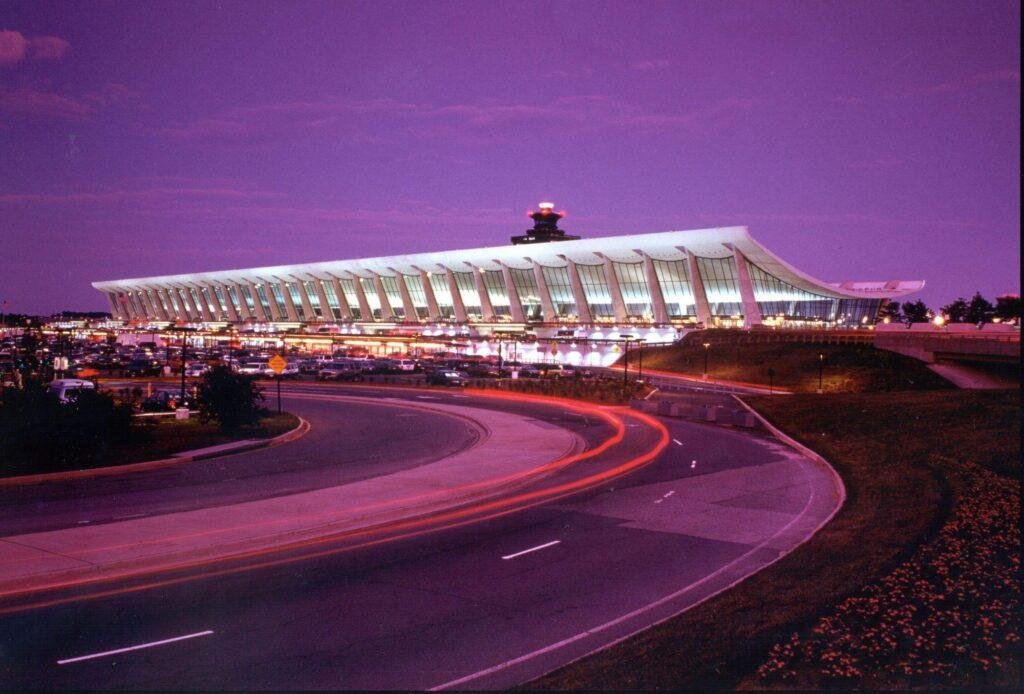
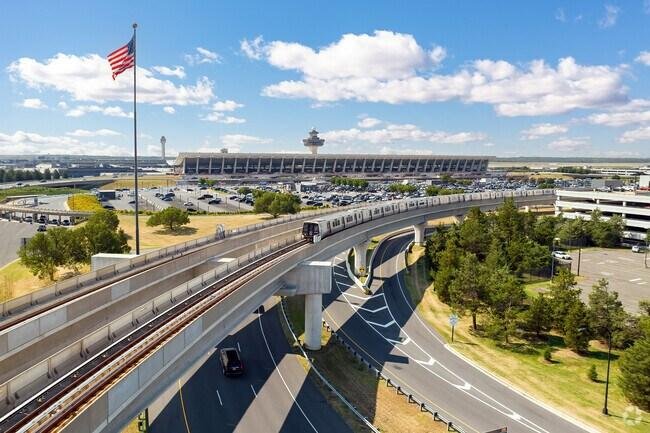
The Metropolitan Washington Airports Authority (MWAA), in partnership with federal agencies and United Airlines, announced the redevelopment plan to transform the airport over the coming decade. The project includes expanding the AeroTrain network, replacing aging concourses, constructing new underground passenger tunnels, and modernizing airport facilities while preserving the airport’s iconic main terminal designed by renowned architect Eero Saarinen.
Although the transition will take years to complete, the announcement represents one of the most significant changes in Washington Dulles International Airport’s history and signals a new era for millions of travelers who pass through the airport each year.
Table of Contents
Why Are Dulles Mobile Lounges Being Retired?
The decision to retire the Dulles mobile lounges reflects how dramatically airport operations have evolved since Washington Dulles International Airport opened in 1962.
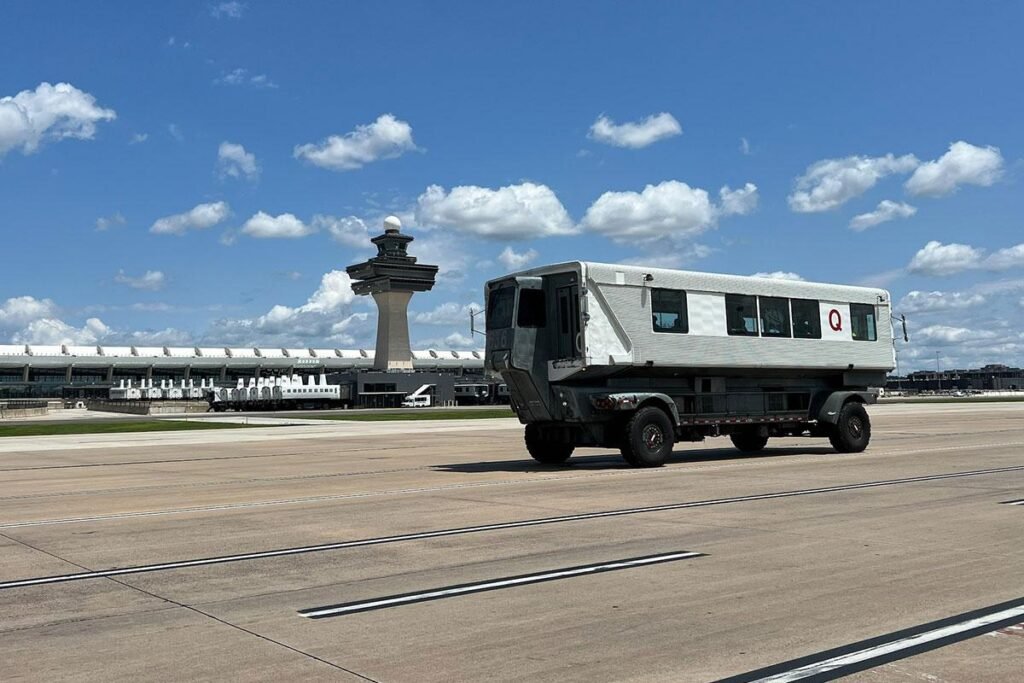
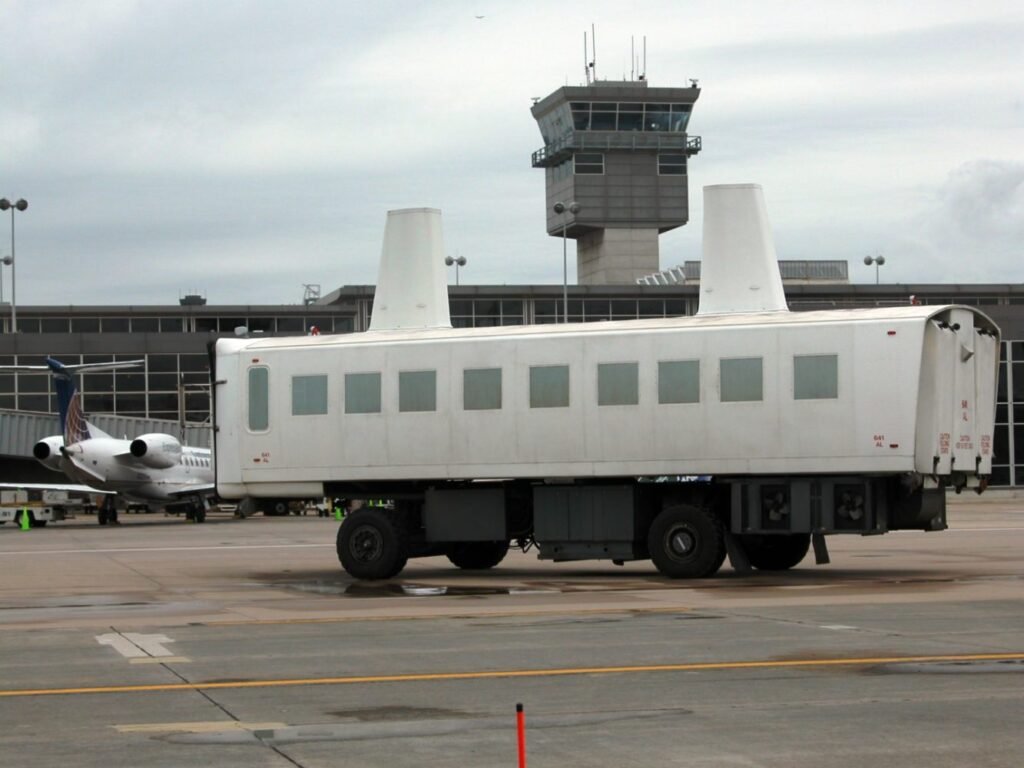
When architect Eero Saarinen designed the airport, he envisioned a revolutionary passenger experience. Instead of building long concourses connected by trains, travelers would remain inside the main terminal before boarding specially designed mobile lounges that transported them directly to aircraft parked around the airfield.
At the time, the concept represented one of the most innovative airport designs in the world.
More than six decades later, however, passenger demand, airline operations, and airport infrastructure have changed dramatically. While the mobile lounges remain one of Dulles’ defining features, they require dedicated drivers, operate across active aircraft movement areas, and can create bottlenecks during peak travel periods.
Airport officials say replacing the mobile lounges with expanded rail service and permanent pedestrian connections will improve passenger flow, reduce transfer times, and support future growth at one of the nation’s busiest international gateways.
What Will Replace the Dulles Mobile Lounges?
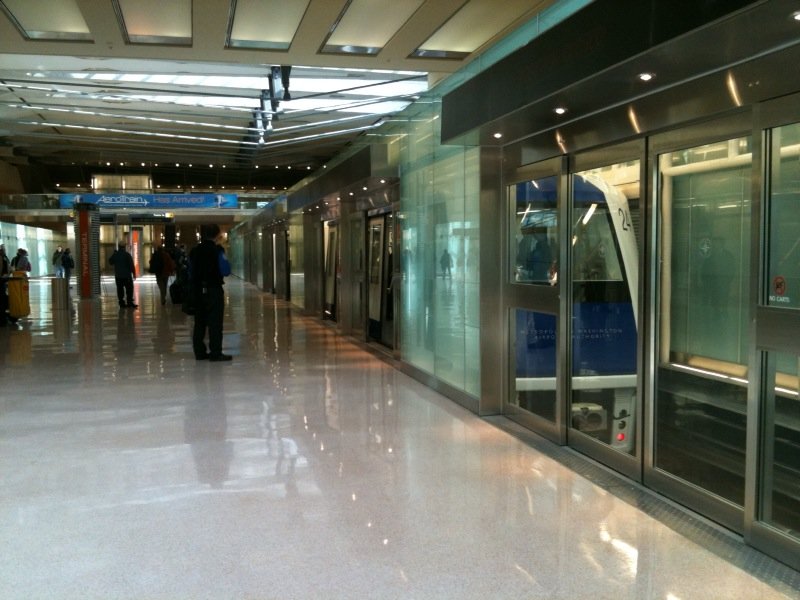
Rather than relying on vehicles operating across the airfield, Washington Dulles will continue transitioning toward a transportation network centered on the AeroTrain.
According to the redevelopment plan, the modernization includes:
- Expansion of the AeroTrain to additional concourses.
- New underground pedestrian tunnels with moving walkways.
- Replacement of the aging Concourses C and D.
- More than 5 million square feet of new and renovated airport facilities.
- Modernized customs and international arrivals areas.
- Expanded dining, retail, and passenger amenities.
Together, these improvements are expected to create a faster, more reliable travel experience while increasing airport capacity for decades to come.
The History of Dulles Mobile Lounges
Few airports have ever been associated with a transportation system as distinctive as the Dulles mobile lounges.
Unlike shuttle buses or airport trains, the oversized vehicles carried passengers directly across the airfield between the main terminal and aircraft gates. The journey offered travelers unique views of aircraft taxiing, parking, and departing—an experience rarely found at modern airports.
For aviation enthusiasts, the mobile lounges became an attraction in their own right.
For frequent travelers, opinions were more divided. While many appreciated the novelty of the system, others viewed it as slower than automated rail transportation used at most major international airports.
Regardless of perspective, the Dulles mobile lounges remain one of the longest-serving airport transportation systems ever placed into regular passenger service and an enduring symbol of Washington Dulles International Airport.
What Travelers Can Expect During the Transition
Passengers should not expect the Dulles mobile lounges to disappear overnight.
The airport’s redevelopment will occur in multiple phases over several years, allowing airline operations to continue while replacement infrastructure is constructed. During this period, the mobile lounges will continue operating alongside the expanding AeroTrain network.
As new tunnels, concourses, and AeroTrain extensions open, passengers will gradually transition away from the mobile lounges until the vehicles can eventually be retired without disrupting airport operations.
Why the Modernization Matters
Washington Dulles International Airport serves millions of passengers each year and functions as one of United Airlines’ largest international hubs.
The modernization project is about more than replacing aging infrastructure. It is intended to improve operational efficiency, strengthen the airport’s competitiveness, reduce passenger transfer times, and create a more seamless travel experience for future generations.
Importantly, the redevelopment preserves one of the airport’s greatest architectural achievements. While the Dulles mobile lounges will eventually become part of aviation history, Saarinen’s iconic terminal will remain the centerpiece of Washington Dulles International Airport for decades to come.
The project also demonstrates how airports must continuously adapt to growing passenger demand while balancing operational efficiency with the preservation of historic infrastructure.
The End of an Aviation Icon
The gradual retirement of the Dulles mobile lounges represents far more than the replacement of aging airport vehicles.
It marks the conclusion of one of the most ambitious airport transportation concepts ever introduced into commercial aviation.
For more than 60 years, millions of passengers have experienced Dulles through these unique vehicles, making them one of the airport’s defining characteristics and one of the last surviving examples of Eero Saarinen’s original vision.
As Washington Dulles International Airport enters its next chapter, the mobile lounges will gradually give way to a modern transportation system designed for the future while leaving behind a legacy that has made them one of the most recognizable airport transportation systems in aviation history.
Key Takeaways
- Washington Dulles International Airport will gradually retire its iconic Dulles mobile lounges.
- The retirement is part of a $22.5 billion airport modernization program.
- The AeroTrain network will expand while new concourses and underground passenger tunnels are constructed.
- The iconic Eero Saarinen terminal will remain the centerpiece of the airport.
- Mobile lounges will continue operating during the phased redevelopment before eventually being retired.
FAQ: Dulles Mobile Lounges Retirement
When will the Dulles mobile lounges be fully retired?
There’s no fixed retirement date. The mobile lounges will keep operating alongside the expanding AeroTrain network throughout the phased, multi-year redevelopment, and will only be phased out once replacement infrastructure is fully in place.
What is replacing the Dulles mobile lounges?
An expanded AeroTrain network, new underground pedestrian tunnels with moving walkways, and replacement concourses will together take over the passenger transportation role the mobile lounges have filled since 1962.
Will the historic Eero Saarinen terminal be demolished?
No. The $22.5 billion modernization plan specifically preserves Saarinen’s original main terminal, which will remain the centerpiece of the airport even as the mobile lounges are phased out.
Sources
For additional information about this story:
- The Washington Post (AP) — Trump Announces a $22.5B Makeover of Dulles Airport That Will Eliminate the ‘People Movers’
- Airways Magazine — Washington Dulles Details US$20 Billion-Plus Overhaul to Retire Mobile Lounges
- AeroXplorer — Trump Announces $22.5 Billion Modernization Plan for Washington Dulles International Airport
- Metropolitan Washington Airports Authority (MWAA)