Emvolon funding reached $22 million in a round announced on October 27, 2026, as the U.S. startup seeks to commercialize compact plants that convert methane-rich waste gases into biomethanol. The development is relevant to aviation because biomethanol may supply a future feedstock for making synthetic jet fuel, although Emvolon did not announce the production of certified sustainable aviation fuel.
The financing is intended to help move the company from pilot systems toward commercial deployments. Waste-gas conversion could also address emissions from sources that would otherwise vent or flare methane. Its near-term product, however, is a chemical fuel intermediate rather than a ready-to-use airline fuel.
Table of Contents
Emvolon Funding and Modular Plant Plans
Emvolon’s official announcement describes the $22 million financing as support for its modular waste-to-fuel technology. The company aims to deploy systems near sources of methane-rich gases, potentially reducing the need to transport untreated gas to larger centralized chemical plants. The company’s proposed business case depends on technical reliability, local feedstock supply and customers for its output.
Investment capital does not by itself prove that a commercial plant is already operating at its design capacity. Emvolon discussed future production ambitions and a broader deployment pipeline, but investors and customers still need confirmed construction, commissioning and output data to evaluate the scale of actual operations.
Waste Gases as a Chemical Feedstock
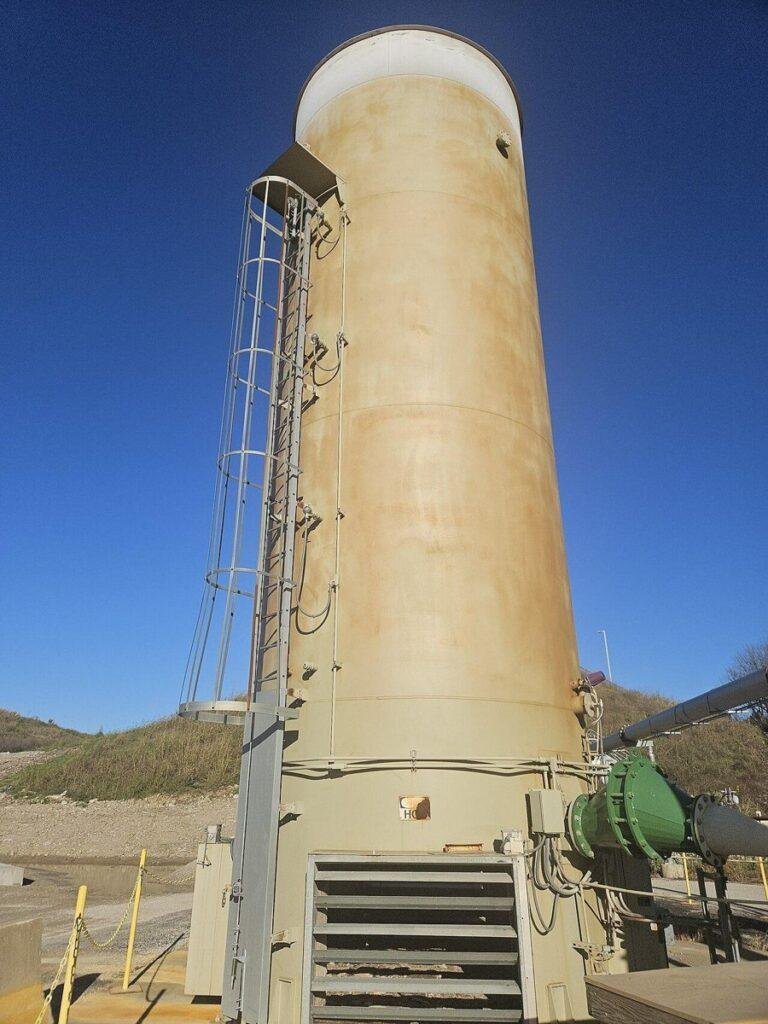
Methane-rich gas streams occur at landfills, agricultural facilities and other industrial locations. In some circumstances the gas is flared or otherwise handled to meet environmental and safety requirements. Emvolon’s concept is to turn suitable gas streams into chemicals that can be sold instead of allowing their potential energy value to go unused.
The technology must balance feedstock variation, plant maintenance and conversion efficiency. A successful project also needs appropriate permits, connections to waste-gas suppliers and storage or distribution for the resulting biomethanol. None of these elements should be assumed to exist at all proposed sites merely because the company has secured a new financing round.
Where Aviation Fuel Could Enter the Chain
Biomethanol is not jet fuel. To serve aviation, it would first have to be processed through a suitable approved conversion route into a fuel meeting the applicable aircraft fuel specification. That additional chemistry, certification and commercial distribution make this an upstream aviation-energy story rather than an airline fueling announcement.
There is growing interest in alternative pathways for reducing aviation fuel emissions, but environmental results depend on feedstock, processing energy and full life-cycle calculations. The same volume of biomethanol cannot automatically be counted as an equivalent quantity of sustainable aviation fuel. earlier TAD coverage has examined long-term aircraft-market growth, which provides wider context for why fuel supply remains an industry issue.
Commercial Uncertainty Around the Expansion
Emvolon discussed potential large-scale output and commercial arrangements, but those remain contingent on deployment and customer demand. A prospective purchase opportunity or expression of interest is not identical to recognized revenue or a binding long-term sale. The announcement did not provide verified commercial SAF volumes delivered to aviation customers.
The startup will also face operational questions about plant uptime and the economics of recovering waste gases at small or dispersed sites. Its financing milestone is concrete, while the impact on aviation decarbonization is still prospective. Reporting should maintain that distinction until certified fuel production or supply contracts are documented.
FAQ: Emvolon funding
How much Emvolon funding was announced?
The company announced $22 million to support commercialization of its modular waste-to-fuel systems.
Does Emvolon already make airline jet fuel?
The described output is biomethanol; the announcement did not confirm production or delivery of certified sustainable aviation fuel.
Why is the technology relevant to aviation?
Biomethanol may serve as a feedstock for a separate fuel-conversion process, subject to technical and certification requirements.
Looking Ahead
The next measurable stages will be commissioning of commercial biomethanol plants and verification of output volumes. Any connection to airline sustainable-fuel use would require additional conversion, certification and supply evidence beyond the financing announcement.
Sources
globenewswire.com — original announcement