FAA vertiport standards moved into a new draft phase on Oct. 22, 2026, when the U.S. aviation regulator released proposed design guidance for facilities handling vertical takeoff and landing aircraft. The proposal combines and updates concepts previously addressed separately for heliports and newer vertiports.
The Federal Aviation Administration said the guidance is aimed at airport owners, heliport operators, infrastructure developers and others planning facilities for helicopters, powered-lift aircraft and other vertical-flight vehicles. It covers traditional airfield geometry as well as charging arrangements and elevated landing sites.
The guidance is not a final approval for any individual location. It opens a public-feedback process that the agency says will inform standards it hopes to finalize in summer 2027. Operators still need to meet applicable certification and operational requirements before starting services.
Table of Contents
FAA Vertiport Standards Combine Facility Types
In the Oct. 22 release, the FAA says the proposed design framework spans several classes of vertical flight, rather than treating electric air taxis as an entirely separate kind of infrastructure. The listed users include helicopters, rotorcraft, powered-lift vehicles and special-class aircraft.
At the center of a safe landing site are touchdown and liftoff areas, approach and departure surfaces, adjacent safety areas and operating clearances. These zones matter because a vehicle must move between forward flight, hover and the surface without creating unacceptable hazards for passengers, bystanders or nearby aircraft.
Bringing older heliport guidance and emerging vertiport concepts together could reduce inconsistent design assumptions. That does not make facilities interchangeable: each project still has to consider aircraft dimensions, site obstacles, operating procedures and the approvals relevant to the proposed use.
Charging, Lighting and Rooftop Sites
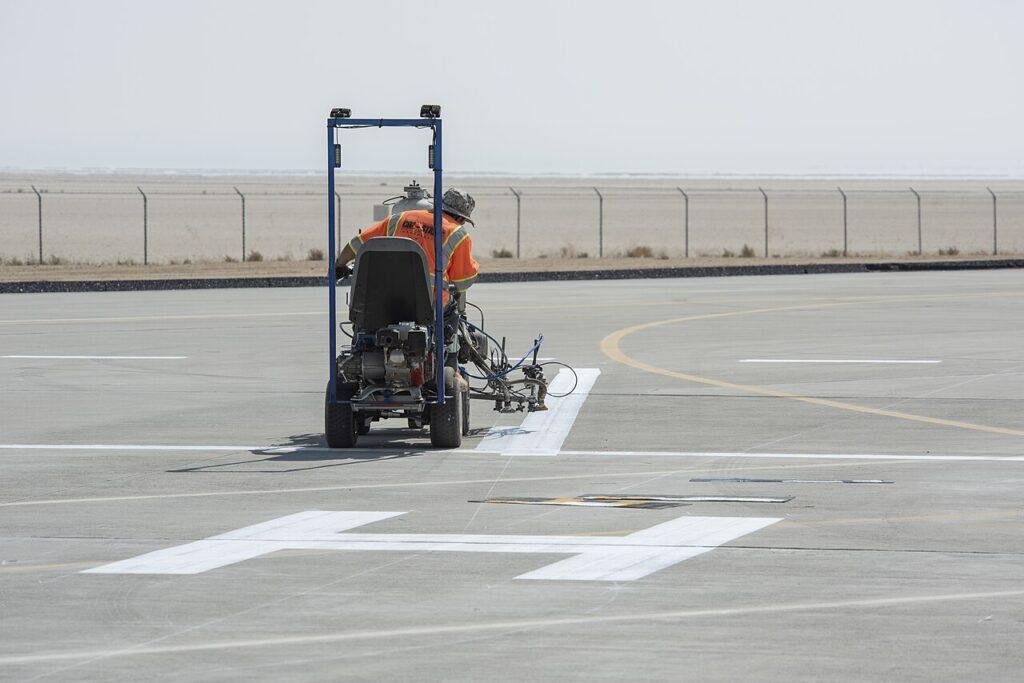
The draft covers lighting, markings and visual aids used to help pilots identify a facility and judge the approach. It also addresses fueling and electric charging, which matter for different fleets that may share airport or city infrastructure.
Elevated platforms and rooftops receive explicit attention in the FAA vertiport standards draft. A roof landing site introduces building load, access, fire safety, obstacle clearance and ground evacuation questions that are less prominent in many conventional airport settings. The FAA’s document gives developers a framework, not permission to ignore local building or emergency rules.
The FAA vertiport standards proposal also describes how vertical-flight facilities may fit into existing airports without disrupting other operations. Such integration matters where training traffic, scheduled passenger aircraft and future powered-lift services could all use the same airspace and surrounding ground network.
From Design Proposal to Operating Network
The proposed FAA vertiport standards sit alongside other regulatory work on advanced air mobility. Vehicle certification, pilot requirements, air traffic integration and community operations are separate questions that cannot be settled simply by designing a landing pad.
The FAA said practical insights from the eVTOL Integration Pilot Program will help refine the eventual standards. Experience from demonstration operations may show whether clearances, visual aids or other assumptions need adjustment before broader use.
Earlier TAD coverage of BETA A250 flight activity described aircraft and regulatory milestones. The infrastructure draft addresses a different part of the same deployment challenge: where approved aircraft might safely operate when a service eventually begins.
FAQ: FAA vertiport standards
Are FAA vertiport standards final?
No. The FAA released a draft for feedback and identified summer 2027 as its target for final design guidance.
Do the standards allow immediate eVTOL passenger service?
No. A facility design proposal does not replace the aircraft and operational approvals required for commercial flights.
Does the FAA address rooftop vertiports?
Yes. The draft specifically includes elevated and rooftop landing facilities along with lighting, approach spaces and charging.
Looking Ahead
The FAA plans to gather industry feedback and use experience from pilot activity before publishing final design guidance in summer 2027. A finalized standard will still need to be applied to each proposed site and operating environment.
Sources
https://www.faa.gov/newsroom/faa-releases-draft-design-standards-vertical-flight-facilities