FL Technics has secured European Union Aviation Safety Agency Part-145 certification for its aircraft maintenance facility in Bali, Indonesia, broadening the hangar’s ability to support European-registered airplanes. The company announced the approval on October 26, 2026, and identified Airbus A320-family and Boeing 737 variants within the approved maintenance scope.
The development strengthens Bali’s position as a maintenance location for airlines operating between Southeast Asia and other markets. It is a regulatory approval for specific maintenance activity, not permission for every kind of overhaul on every aircraft, and it does not represent certification of an aircraft design.
Table of Contents
FL Technics Bali Hangar Gains EASA Approval
In its official announcement, FL Technics Indonesia said the Bali maintenance operation received EASA Part-145 authorization. Such approval is significant because European-registered aircraft generally require maintenance organizations operating on them to meet applicable regulatory standards. The scope of approval is set by the certificate and its associated conditions rather than by general marketing descriptions of a hangar.
The company identified line and base maintenance capabilities for specific Airbus and Boeing narrowbody families. That means different levels of routine and scheduled work may be possible, depending on the task and aircraft. The announcement did not state that airlines had already transferred a fixed number of aircraft into the facility after the certification.
Aircraft Types and Regional Coverage
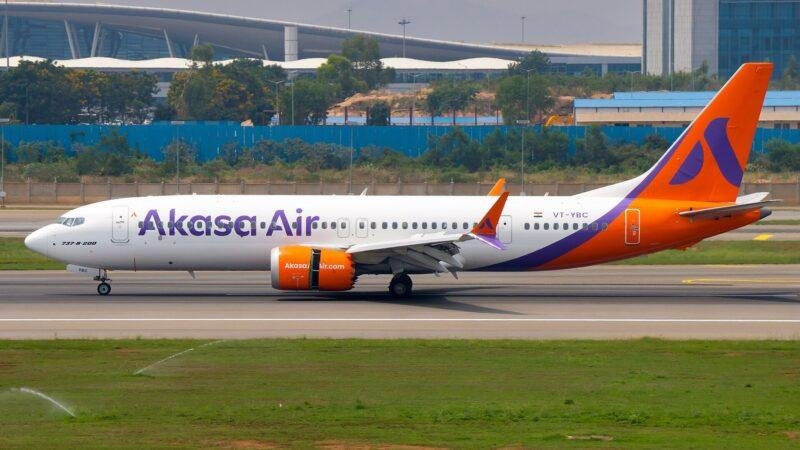
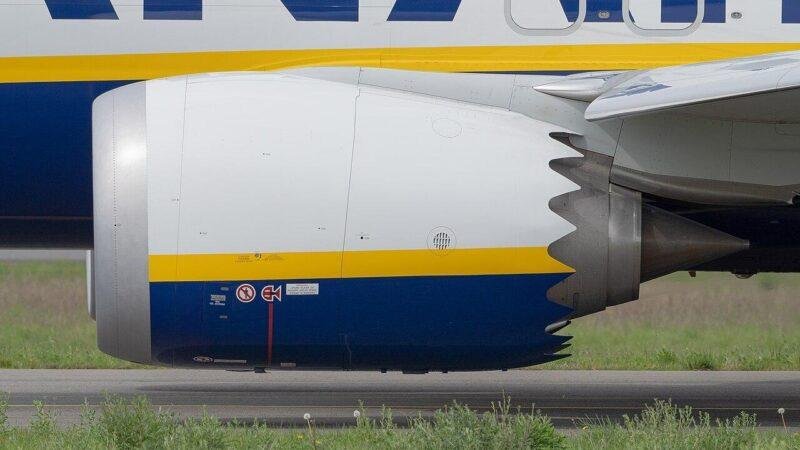
The approved aircraft families include Airbus A320ceo and A320neo models, as well as Boeing 737 Classic, Next Generation and MAX variants within the stated authorization. Those are broad families, so operators still need to check that an individual aircraft and planned task fall within the facility’s ratings and approvals before assigning maintenance.
Bali’s Ngurah Rai airport is a major aviation gateway serving international operators. A nearby maintenance base can reduce the need for some aircraft to reposition far from their operating region for scheduled work. However, travel distances, airline contracting choices and actual hangar availability determine whether that potential advantage results in shorter downtime for a particular customer.
Why Part-145 Certification Matters
Part-145 approval addresses the systems an approved maintenance organization uses for staff qualifications, procedures, documentation and oversight. It is not a blanket endorsement of every employee, workshop or task without reference to the approved scope. Regulators and operators rely on the certificate, ratings and continuing compliance to determine which maintenance work can be accepted.
The Bali approval offers FL Technics access to a wider customer group, particularly operators of European-registered jets. earlier TAD coverage has reported on a separate aircraft-conversion project in Arizona; while those facilities do different work, both stories reflect the importance of specialist aviation maintenance infrastructure behind commercial airline operations.
The Business Case and Remaining Questions
FL Technics described the development as part of broader regional maintenance expansion. Yet the press release did not give a precise number of EASA-registered aircraft already booked, total contract values or a measured reduction in aircraft downtime. Those commercial outcomes will be assessable only after contracts and operating statistics become available.
The appropriate characterization is that the facility has cleared a certification milestone and broadened the work it can offer. A fleet requiring maintenance may still choose another approved provider because of scheduling, cost, technical scope or aircraft positioning. Approval creates capability; it does not guarantee utilization.
FAQ: FL Technics
What did FL Technics receive in Bali?
It announced EASA Part-145 approval for maintenance work at its Bali hangar.
Which aircraft families are included?
The announcement lists Airbus A320-family and Boeing 737 Classic, NG and MAX variants within the certification scope.
Does EASA approval mean every repair is permitted?
No. The approved ratings and procedures determine which tasks can be performed for which aircraft.
Looking Ahead
FL Technics can now pursue additional maintenance work within its EASA-approved scope. The company has not disclosed a verified schedule of new European airline contracts or expected annual aircraft throughput attributable solely to the certification.
Sources
prnewswire.com — original announcement