Florida electric aircraft demonstrations brought aircraft associated with Joby Aviation and BETA Technologies to the Tampa Bay area on Oct. 30 as state and federal officials highlighted a new round of advanced-air-mobility flight trials. The program included a route associated with the first scheduled commercial airline service between St. Petersburg and Tampa in 1914.
The flights were conducted as demonstrations under a U.S. Department of Transportation and Federal Aviation Administration pilot initiative. They should not be described as the start of regularly scheduled electric air-taxi passenger operations. The distinction matters because flight demonstrations and certification for commercial passenger service are separate steps.
Table of Contents
Florida electric aircraft flights highlight Tampa Bay route
The Florida Department of Transportation said the Oct. 30 demonstrations formed part of its advanced-air-mobility work and the FAA’s Electric Vertical Takeoff and Landing and Advanced Air Mobility Integration Pilot Program. The state promoted the activities as a way to explore new kinds of short-distance air transportation and associated infrastructure needs.
The St. Petersburg–Tampa route carries aviation significance because it recalls the 1914 scheduled airline operation often cited as the starting point of commercial passenger aviation. Recreating that geographic connection with electric aircraft provided a public comparison between two different eras of short-haul flight.
The October demonstration did not mean ordinary passengers could immediately buy tickets for a frequent air-taxi service. Pilot programs allow operators and authorities to observe aircraft behavior, planning requirements and interactions with existing airspace. The transition from a demonstration to routine transport requires additional approvals and operational arrangements. The source notice or report documents the reported event.
Joby and BETA bring different electric aircraft approaches
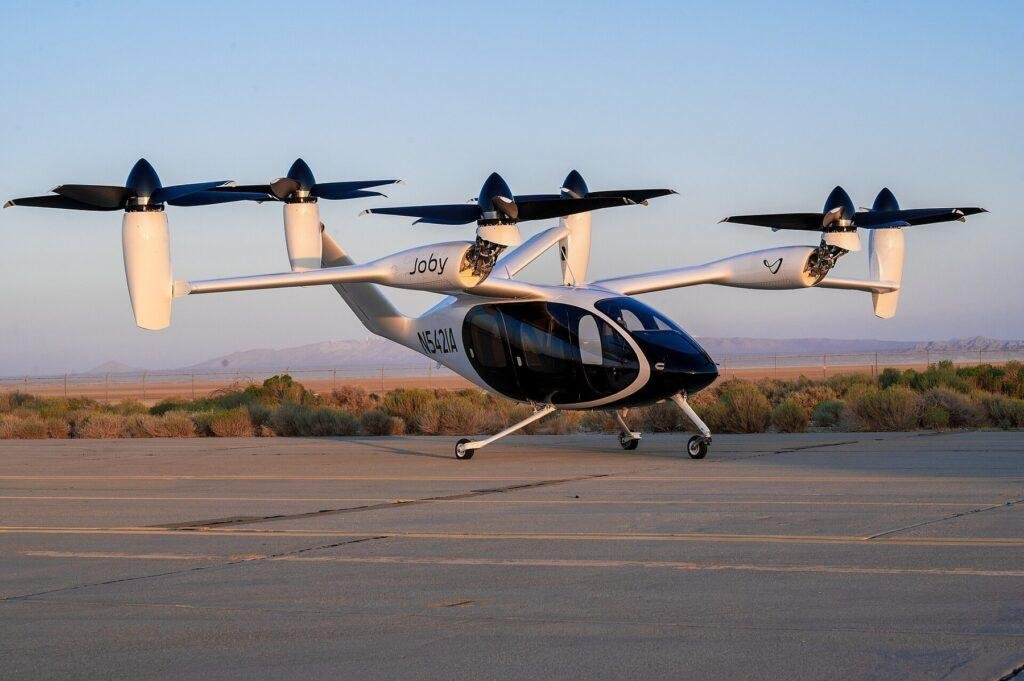
Joby presented its vertical takeoff and landing air-taxi design, while BETA has developed ALIA electric aircraft configurations for operations involving passenger or cargo applications. Both companies participated in the wider Florida initiative, but their aircraft and intended operating models should not be treated as identical.
The state release described continuing demonstrations, including possible activity beyond the immediate Tampa Bay area. Officials and companies pointed to potential roles for electric aircraft in connecting cities, airports and other destinations. Such plans remain prospective until the routes, certified operating approvals and available passenger services are announced.
TAD previously covered transition-flight testing by the Moya 256, another electric aircraft development. The Florida electric aircraft demonstrations differ because they emphasize operating networks and community exposure rather than just the engineering milestone of a single aircraft’s transition test. Both types of testing are relevant to future certification.
Infrastructure and certification remain key questions
Electric flight programs must consider charging arrangements, ground-handling areas, dispatch planning and the ability to operate alongside helicopters and conventional airplanes. Public flight demonstrations provide an opportunity to gather information about these requirements, but the Oct. 30 announcements do not prove that a fully commercial statewide network has been built.
The participating companies also face questions about aircraft certification, operating certificates and the ability to deliver reliable day-to-day service. Flight performance demonstrated on an individual route cannot be generalized to every weather condition, distance or passenger load without supporting data.
The Florida electric aircraft program therefore provides a useful evidence-gathering stage for operators and regulators. It showcases real flying machines and planned transportation use cases while leaving the commercial economics and service rollout to be demonstrated in future announcements and operating records. Read related electric aircraft flight test reporting for another, separate development.
FAQ: Florida electric aircraft
What happened during the Florida electric aircraft trials?
Joby and BETA participated in demonstrations connected with a federal advanced-air-mobility pilot program, including activity around Tampa Bay.
Can passengers now book regular electric air taxis on this route?
The flights described were demonstrations, not a newly announced scheduled commercial passenger service.
Why was the St. Petersburg–Tampa corridor selected?
The route recalls the early scheduled airline service established between the two Florida cities in 1914.
Looking Ahead
Florida and participating companies have outlined further trials and possible future operating corridors. A commercial launch date for routine passenger services on these routes was not established by the Oct. 30 announcements. Aircraft certification and operational approvals remain distinct future milestones.
Sources
- Florida Department of Transportation announcement
- Joby Aviation company announcement
- U.S. Transportation Department announcement