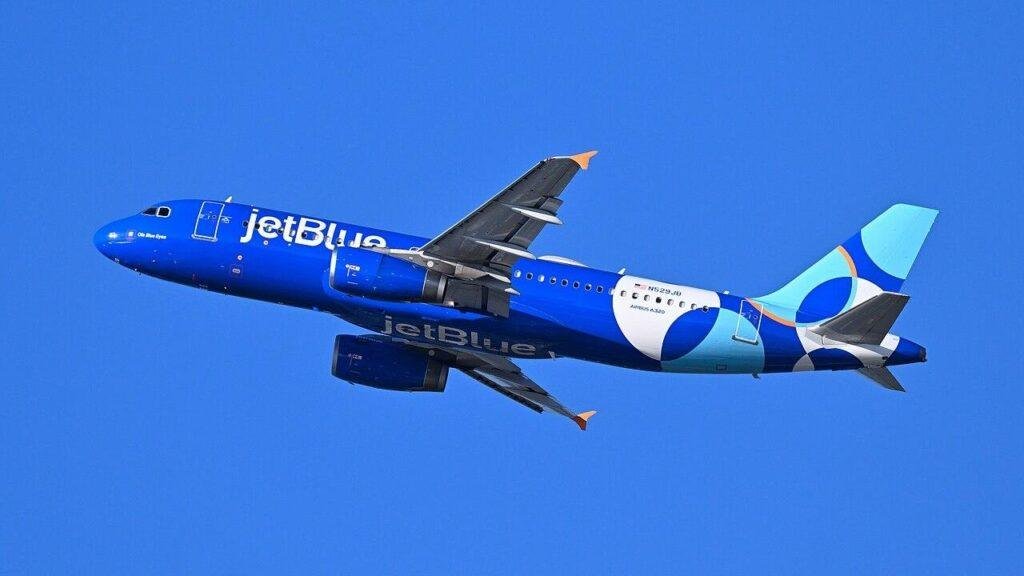
JetBlue earnings for the third quarter of 2026 show $2.8 billion in revenue, a 21.1% year-over-year increase, but the airline still recorded a $257 million net loss. The New York-based carrier published the results on October 26, pointing to stronger passenger yields and demand while acknowledging that higher operating costs continued to weigh on profitability.
The contrast between rapidly growing sales and a continuing loss is the central result. JetBlue said revenue per available seat mile increased 18.4%, while the cost of fuel climbed sharply. Management expects further operating-margin improvement in the fourth quarter, but that guidance is a forecast rather than a completed result.
Table of Contents
JetBlue Earnings: Revenue Versus Net Loss
JetBlue’s official announcement shows that stronger pricing and revenue management delivered most of the quarterly revenue improvement. The airline said both its premium and economy cabins achieved double-digit revenue-per-seat-mile gains. Capacity grew 2.3%, so the much larger revenue rise was not simply the product of adding a comparable number of available seats.
A reported net loss measures the result after the broader set of costs and accounting items, not just fare income. The $257 million quarterly loss should therefore not be confused with revenue growth or a specific adjustment to operating profit. The filing’s separate adjusted measures help explain underlying trends, but they do not erase the GAAP net result.
Fuel Pressure and Unit Costs
JetBlue said its average fuel price was about $3.91 a gallon, up sharply from the comparison period, and that operating cost per available seat mile increased 19.4%. Even though fare yields were stronger, fuel costs absorbed a large share of the improvement. Higher revenue may protect an airline against rising costs without producing a positive net margin.
Management said the carrier recovered approximately 87% of the year-over-year fuel cost increase through revenue. That is the airline’s own assessment, not a claim that fuel prices were fully offset. JetBlue also reported that unit cost excluding fuel was affected by operational disruption, making punctuality and reliability important financial as well as customer-service factors.
Fort Lauderdale Expansion Drives Growth
JetBlue singled out Fort Lauderdale as a major growth market. Revenue per available seat mile there increased by nearly 15% even as capacity expanded by more than 65%, according to the company. The airline has added destinations and frequencies, seeking to build connections and a stronger customer base rather than relying on a single high-demand route.
JetBlue expects peak daily departures at Fort Lauderdale to exceed 150 this winter, up 39% from a year earlier. A plan for departures is not a measurement of completed flights, and the carrier will need to operate the schedule to realize its benefits. earlier TAD coverage previously covered the third-quarter earnings of American Airlines, offering a comparison within the U.S. market.
Liquidity and the 2027 Profitability Target
At the end of the quarter, JetBlue reported $2.2 billion of liquidity, including an undrawn credit facility. The figure matters because investments, aircraft commitments and short-term cash needs continue even when a quarterly net result is negative. Available funding is not itself a guarantee that all future financing conditions will be met.
Management has reiterated a goal of sustained operating profitability in 2027, alongside later earnings and cash-flow ambitions. The carrier expects another one to two points of year-over-year operating-margin expansion in the fourth quarter. Those figures are forward-looking and remain sensitive to demand, fuel prices, operational disruption and aircraft availability.
FAQ: JetBlue earnings
What did JetBlue earnings show for Q3 2026?
JetBlue reported approximately $2.8 billion in revenue and a $257 million GAAP net loss for the third quarter.
Why did revenue increase faster than capacity?
The airline attributed the improvement mainly to higher passenger yields and stronger revenue per available seat mile.
When does JetBlue expect sustained profitability?
Management targets sustained operating profitability in 2027, but that is guidance rather than an accomplished result.
Looking Ahead
Investors will next watch JetBlue’s fourth-quarter operating margin, fuel exposure and Fort Lauderdale schedule execution. The airline is forecasting improvement, but its path to sustained profitability depends on conditions not yet reflected in the October results.
Sources
investor.jetblue.com — original announcement