Navy steam catapults are officially back on the table for future aircraft carriers. President Donald Trump has directed the U.S. Navy to abandon the Electromagnetic Aircraft Launch System (EMALS) on the future USS Doris Miller (CVN-81), ordering a return to traditional steam-powered catapults in a reversal that touches one of the most consequential technology bets in modern carrier design.
The directive was included in a National Security Presidential Memorandum signed Thursday, August 13, 2026, as part of a broader push to overhaul U.S. naval shipbuilding and address delays, rising costs and capacity shortfalls across the maritime industrial base.
Table of Contents
Trump Orders Navy Back to Steam Catapults for USS Doris Miller
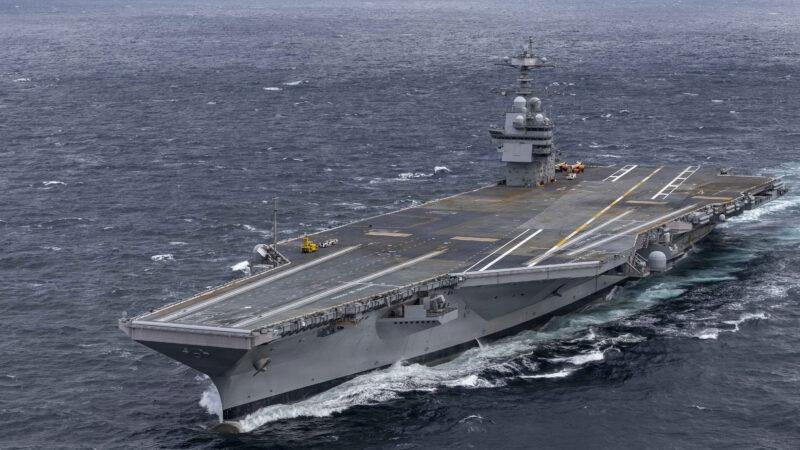
Under the new direction, the future USS Doris Miller (CVN-81), the fourth Gerald R. Ford-class aircraft carrier, is set to move away from the Electromagnetic Aircraft Launch System, or EMALS, used aboard the first three ships of the class. Instead, the Navy is being directed toward traditional steam-powered catapults, similar to those used for decades aboard the Nimitz-class carriers.
The decision could require substantial changes to CVN-81’s design and raises major questions about cost, construction schedules and the future direction of America’s carrier fleet.
First Three Ford-Class Carriers Keep EMALS
The decision does not mean the Navy will strip EMALS from every Ford-class carrier. The first three ships are expected to retain the electromagnetic system:
- USS Gerald R. Ford (CVN-78)
- USS John F. Kennedy (CVN-79)
- USS Enterprise (CVN-80)
The change begins with USS Doris Miller, currently under construction at Huntington Ingalls Industries’ Newport News Shipbuilding in Virginia. That distinction matters because replacing EMALS aboard an already-delivered carrier like Gerald R. Ford would be an entirely different undertaking from redesigning a ship still under construction.

Why Returning to Steam Isn’t a Simple Swap
The engineering challenge extends well beyond replacing one type of catapult with another. Ford-class carriers were designed around a substantially different electrical architecture than the preceding Nimitz class, replacing several traditional steam and hydraulic systems with electrically powered technology. EMALS uses electromagnetic energy to accelerate aircraft along the flight deck rather than high-pressure steam, so incorporating steam catapults into Doris Miller could require changes to systems and spaces throughout large portions of the ship.
The decision arrives at a particularly consequential point in CVN-81’s construction. General Atomics, which manufactures EMALS, said production of the system intended for Doris Miller is already nearly 50 percent complete, warning that changing direction at this stage “would introduce significant cost, schedule and integration risks,” according to a company statement reported by The Hill.
Trump Has Criticized EMALS for Years
President Trump has been a persistent critic of electromagnetic catapults dating back to his first administration, repeatedly arguing that steam catapults are simpler and more reliable than EMALS and criticizing the cost and complexity of the electromagnetic system. Those criticisms were especially prominent during the difficult early years of the Gerald R. Ford program, when EMALS experienced developmental and reliability problems as the Navy introduced several major new technologies simultaneously aboard the first ship.
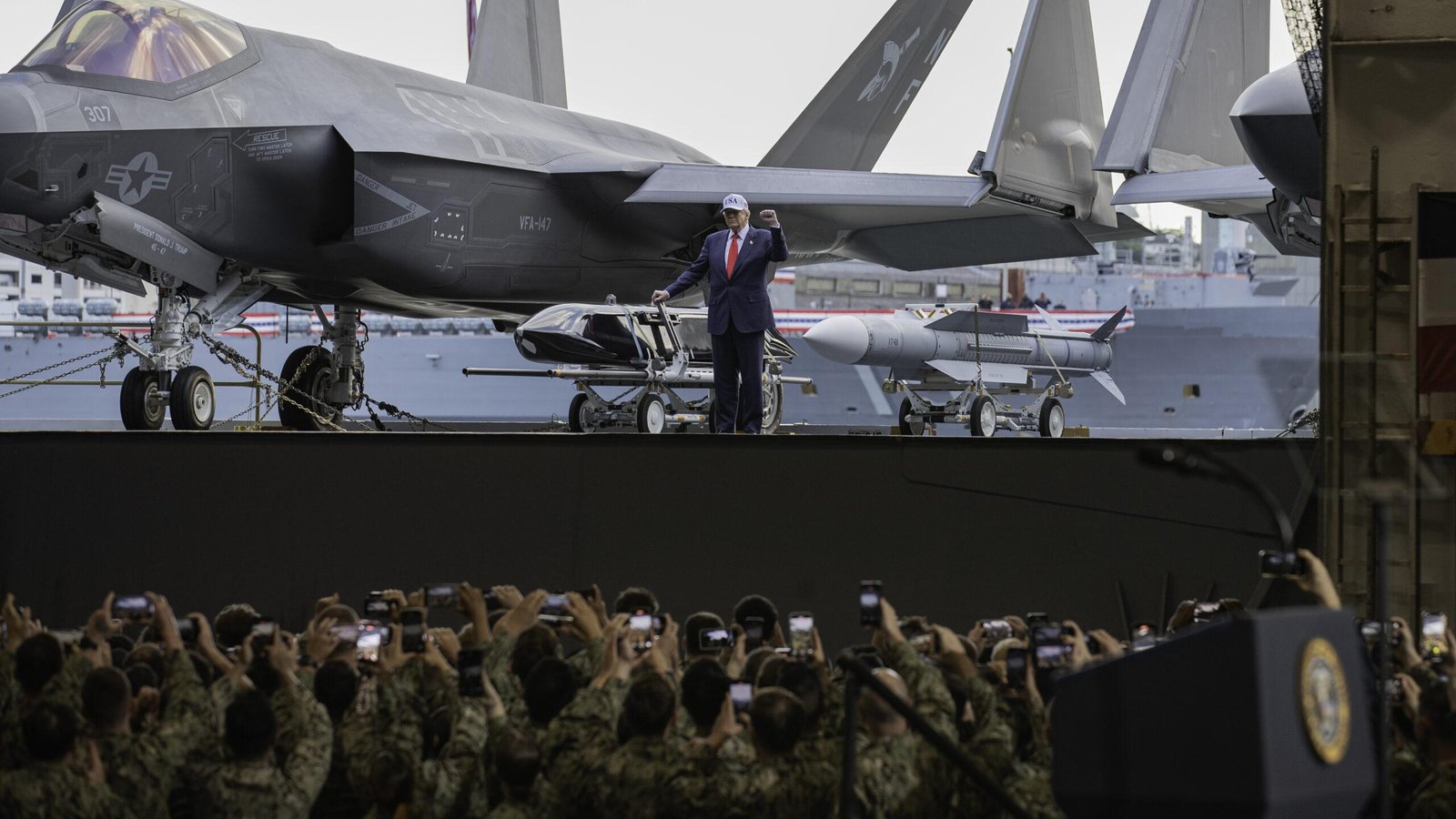
The Ford class represented one of the biggest technological leaps in carrier design in decades, introducing not only EMALS but also the Advanced Arresting Gear, Advanced Weapons Elevators and a substantially expanded electrical power architecture. Trump signaled his intention to return to steam catapults while speaking aboard USS George Washington in October 2025, and Thursday’s memorandum turns that long-running criticism into formal policy.
EMALS Has Logged Tens of Thousands of Launches
The decision comes after the electromagnetic system has accumulated substantially more operational experience than it had when Trump first criticized it. According to Pentagon figures cited by Reuters, USS Gerald R. Ford had completed 36,863 EMALS launches as of March 2026.
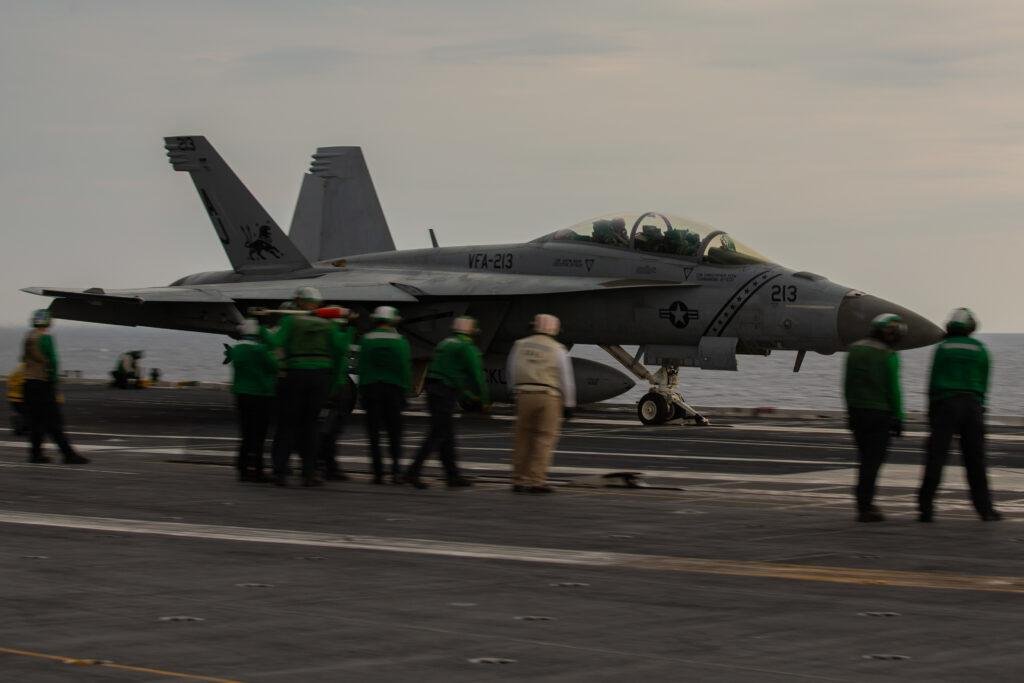
EMALS was originally selected because the Navy expected it to offer several advantages over traditional steam catapults, including more precise control over launch force — reducing stress on aircraft while accommodating airframes with significantly different weights and performance characteristics. Those capabilities could become increasingly important as carrier air wings incorporate more unmanned aircraft, including the Navy’s forthcoming MQ-25A Stingray unmanned aerial refueling aircraft. France has also selected EMALS for its future PA-Ng nuclear-powered aircraft carrier.
Weapons Elevators Are Also Getting Reversed
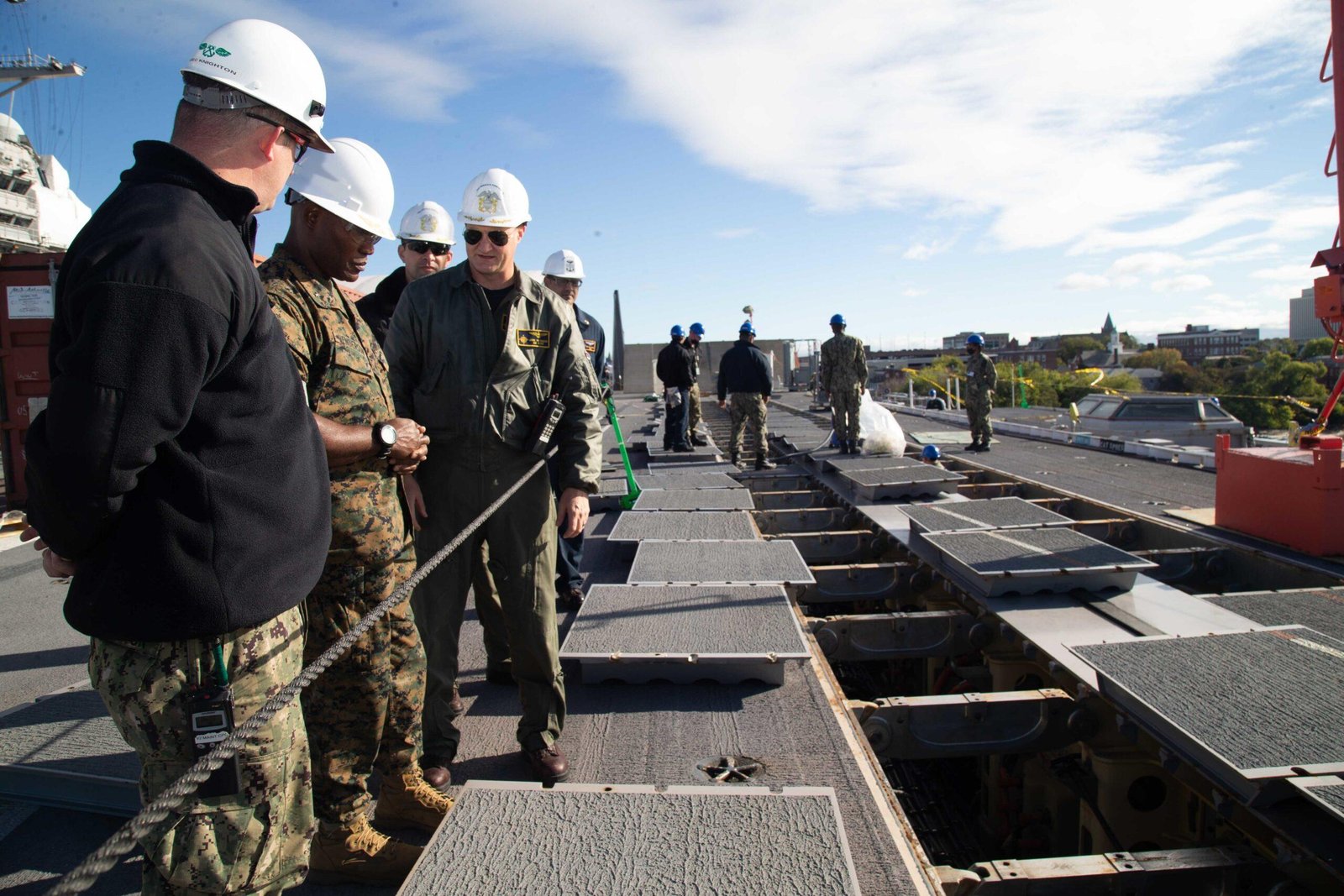
Catapults aren’t the only Ford-class technology affected by the new policy. The presidential memorandum also calls for future carriers to return to hydraulic weapons elevator systems rather than the Advanced Weapons Elevators introduced aboard the Ford class. The electrically powered elevators became one of the most visible problems during the construction and early testing of USS Gerald R. Ford — designed to move ordnance between the carrier’s magazines and flight deck more efficiently, they suffered years of technical difficulties before all 11 aboard Ford were certified.
Moving back toward hydraulic elevator systems represents another reversal of the technological approach behind the Ford-class design, according to reporting from USNI News, which reviewed the memo’s text directing the Navy to submit a replacement plan within 60 days.
A Bigger Push to Rebuild American Shipbuilding
The carrier decision is part of a much larger effort aimed at rebuilding American naval shipbuilding capacity. Trump’s memorandum also directs the establishment of a fifth public naval shipyard, intended to increase capacity for submarine and aircraft carrier maintenance, along with a new component repair center to address submarine maintenance delays.
Another notable provision opens the door for certain U.S. Navy ships to be built at foreign shipyards. Foreign shipbuilders that make substantial investments in American shipbuilding could temporarily be permitted to construct as many as two ships at their parent shipyards overseas to help bridge gaps in U.S. production, according to Breaking Defense. The policy reflects growing concern about America’s ability to build and maintain warships quickly enough to meet Navy requirements.
What Happens to USS Doris Miller Now?
Doris Miller is not a conceptual future warship — construction is already underway, major components have been ordered, and suppliers are producing equipment based on the existing Ford-class architecture. Changing the launch system therefore involves far more than canceling an EMALS contract and ordering steam catapults instead.
Engineers will have to determine how steam catapults can be incorporated into the ship, what supporting equipment must change, how much already-completed work can be retained, and what effect those changes will have on the construction schedule. The financial consequences could be substantial: the design change is expected to cost taxpayers hundreds of millions of dollars, while broader estimates of the long-term cost of reversing the technology could climb considerably higher depending on how extensively future carriers are redesigned.
If implemented as directed, the first three Ford-class ships will operate with electromagnetic catapults while Doris Miller and potentially subsequent carriers use steam — an unusual technological split within a single carrier class with consequences that could extend to training, maintenance, spare parts, logistics and carrier air wing integration for decades.
FAQ: Navy Steam Catapults
Why is Trump ordering the Navy back to steam catapults?
Trump has long argued that steam catapults are simpler, cheaper and more reliable than the Electromagnetic Aircraft Launch System, criticizing EMALS’s early reliability problems aboard USS Gerald R. Ford. Thursday’s presidential memorandum turns that longstanding position into formal Navy policy.
Which carriers will actually be affected?
Only USS Doris Miller (CVN-81) and later Ford-class ships are directed to switch to steam catapults and hydraulic weapons elevators. USS Gerald R. Ford, USS John F. Kennedy and USS Enterprise will keep EMALS and the Advanced Weapons Elevators already installed.
How much will the redesign cost?
Early estimates put the direct design change at hundreds of millions of dollars, though the long-term cost could climb significantly depending on how much of Doris Miller’s existing construction and EMALS production — already nearly 50 percent complete — must be reworked or discarded.
Looking Ahead
The Navy now has 60 days to deliver a plan detailing how it will replace EMALS and the Advanced Weapons Elevators aboard USS Doris Miller. That plan will determine how much of the carrier’s existing design and construction work survives the shift back to steam — and whether the Ford class ends up split between two very different generations of launch technology.
The Aviation Diary will continue covering developments involving the Ford-class carrier program, Navy shipbuilding policy and other major military aviation stories.
Sources
For additional information about this story:
- USNI News
- Breaking Defense
- Reuters (via U.S. News & World Report)
- The Hill
- The Associated Press (via Yahoo News)
- Bloomberg