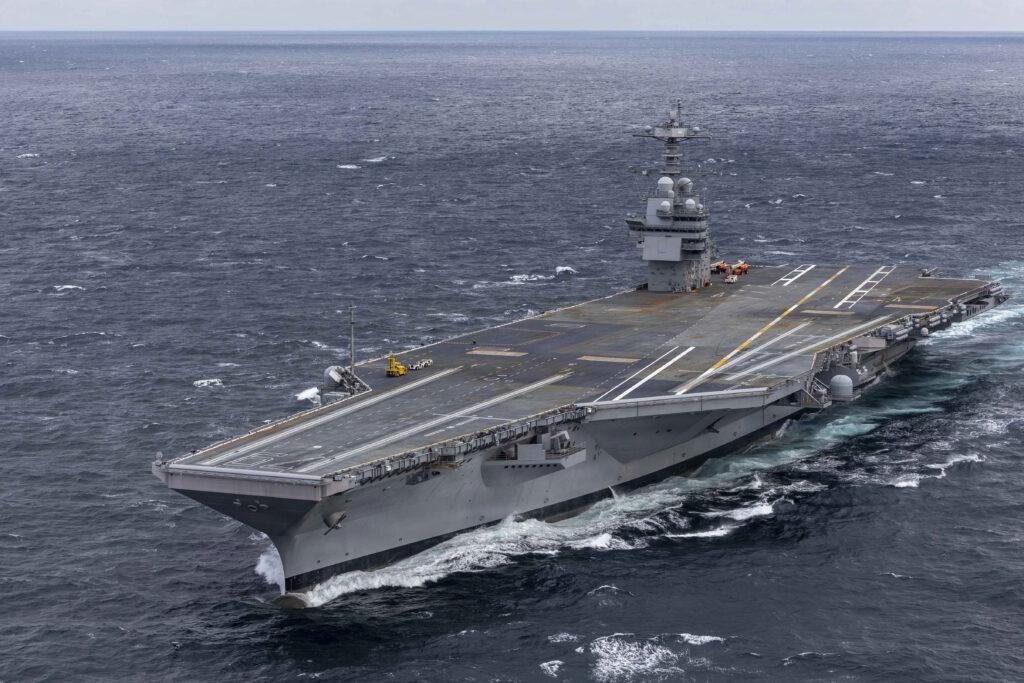
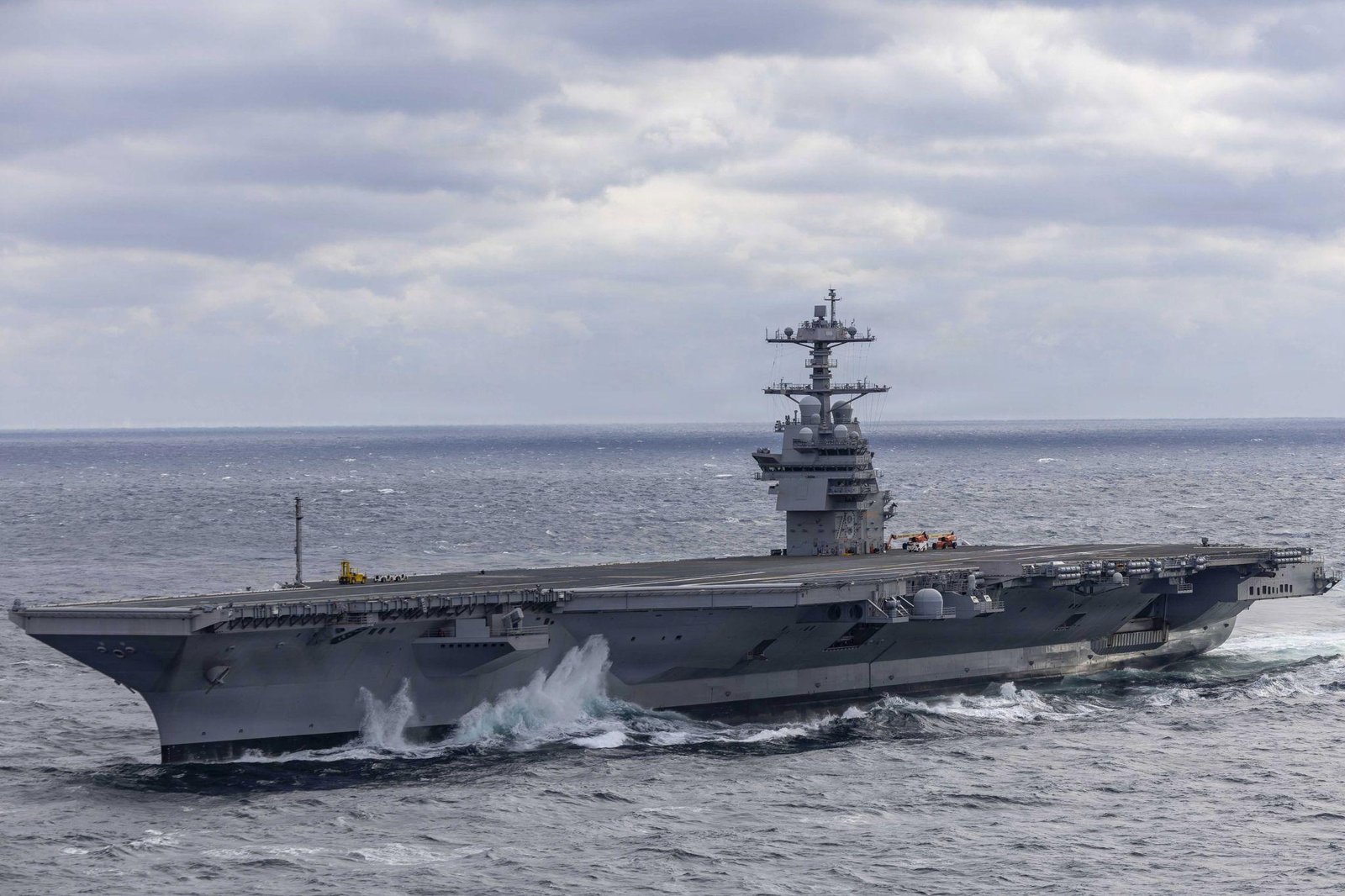
John F. Kennedy CVN-79 has successfully completed acceptance sea trials off the Virginia coast, marking another major step toward delivery of the U.S. Navy’s second Gerald R. Ford-class nuclear-powered aircraft carrier.
HII’s Newport News Shipbuilding announced on August 15 that the future USS John F. Kennedy had returned to the shipyard after testing and evaluating key ship systems and components at sea.
The milestone came just days after the carrier departed Newport News on August 12 for the trials and moves CVN-79 another step closer to its projected March 2027 delivery to the U.S. Navy.
Table of Contents
John F. Kennedy CVN-79 Completes Acceptance Sea Trials
Acceptance sea trials represent one of the final major evaluation periods before a new warship is delivered to the U.S. Navy.
Unlike builder’s trials, which are conducted primarily by the shipbuilder to demonstrate that the vessel and its systems operate as intended, acceptance trials give Navy inspection authorities an opportunity to evaluate the ship before formal acceptance.
For a nuclear-powered aircraft carrier as complex as John F. Kennedy, the process involves evaluating major ship systems and components while the carrier is underway rather than sitting inside the shipyard.
The successful completion of the trials therefore represents an important transition for John F. Kennedy CVN-79 as the carrier moves from construction and testing toward delivery and eventual operational service.
CVN-79 Already Completed Builder’s Sea Trials
The August acceptance trials were not John F. Kennedy’s first time at sea.
CVN-79 first got underway in January 2026 for its initial builder’s sea trials, completing that testing period in February.
During builder’s trials, sailors, shipbuilders and government personnel evaluated the carrier’s equipment and systems under actual operating conditions.
The ship subsequently returned to Newport News for additional construction, testing and preparation ahead of acceptance trials.
With both major sea-trial milestones now completed, CVN-79 has cleared two of the most important testing gates preceding delivery.
- Builder’s sea trials: Completed February 2026
- Acceptance sea trials: August 12-15, 2026
- Projected Navy delivery: March 2027
Passing acceptance trials doesn’t make an aircraft carrier operational. It moves the ship another major step toward becoming one.
America’s Second Gerald R. Ford-Class Aircraft Carrier
John F. Kennedy is the second aircraft carrier of the Gerald R. Ford class, following USS Gerald R. Ford (CVN-78).
The Ford class represents the U.S. Navy’s newest generation of nuclear-powered aircraft carriers and introduces substantial technological changes compared with the preceding Nimitz class.
Among the most prominent are the Electromagnetic Aircraft Launch System (EMALS) and Advanced Arresting Gear (AAG).
The class also incorporates a redesigned flight deck, new electrical-generation architecture, Advanced Weapons Elevators and significantly greater electrical capacity intended to support current and future ship systems.
CVN-79 also differs from its sister ship in several areas as the Navy incorporates lessons learned from construction and operation of the first Ford-class carrier.
The Navy expects the Gerald R. Ford class to eventually become the backbone of the U.S. aircraft carrier fleet.
Seven of Eleven Advanced Weapons Elevators Delivered
One of the most closely watched aspects of John F. Kennedy CVN-79 has been the ship’s Advanced Weapons Elevators.
USNI News reported as the carrier departed for acceptance trials that seven of CVN-79’s 11 weapons elevators had been delivered.
The electromagnetic elevators are designed to transport weapons between the carrier’s magazines and flight deck more efficiently than the hydraulic systems used aboard previous carrier classes.
Advanced Weapons Elevators became one of the most visible development challenges aboard first-in-class USS Gerald R. Ford.
Experience gained during the construction and testing of CVN-78 has subsequently been incorporated into John F. Kennedy, illustrating one of the advantages of building the second ship of a new carrier class.
John F. Kennedy Is Being Prepared for F-35C Operations
Although CVN-79 is a warship, its primary mission revolves around naval aviation.
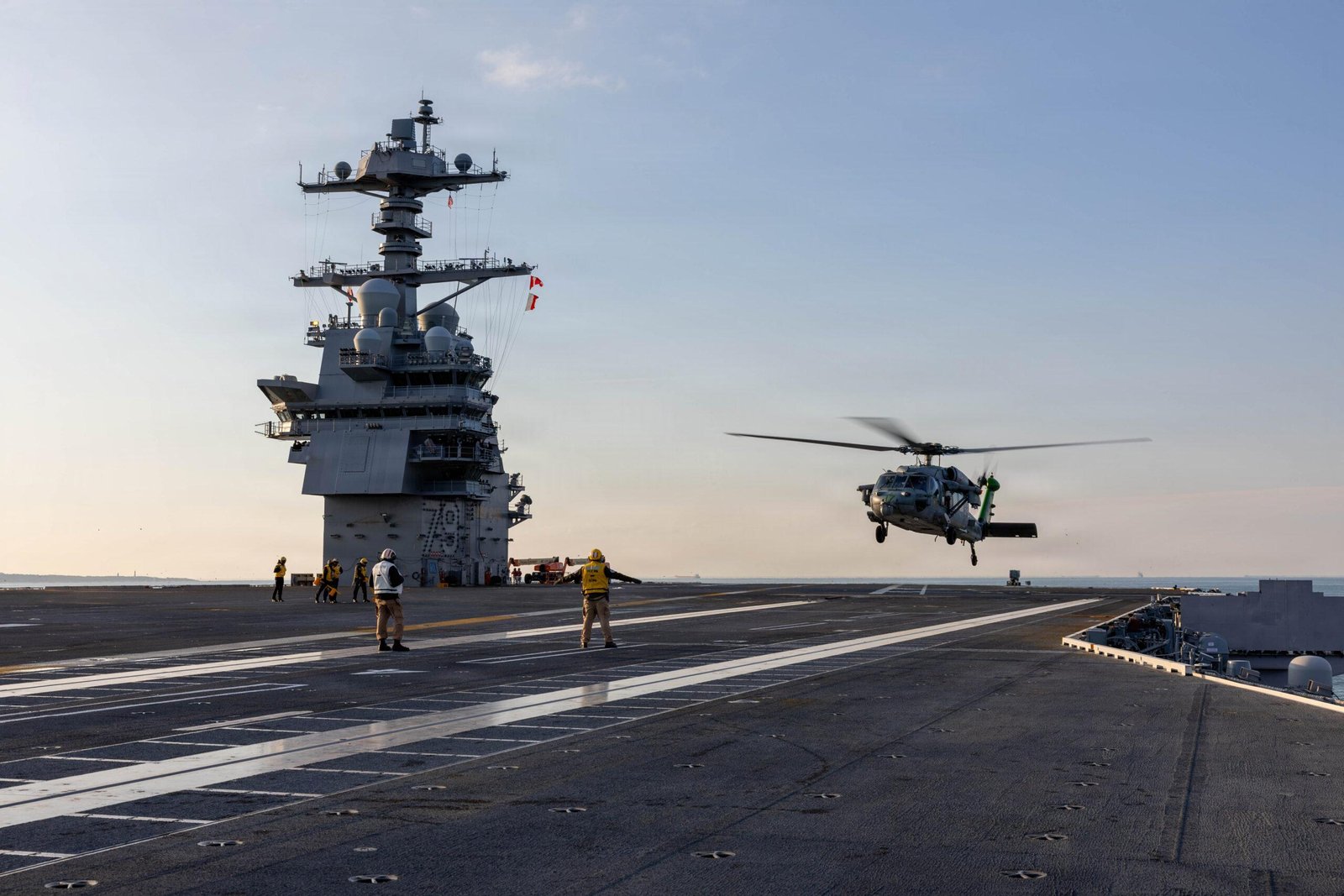
A Ford-class carrier effectively serves as a mobile air base capable of deploying a carrier air wing thousands of miles from the continental United States.
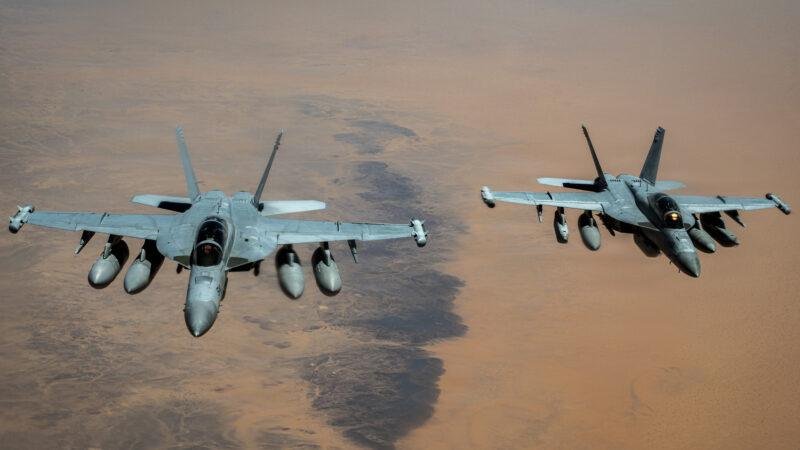
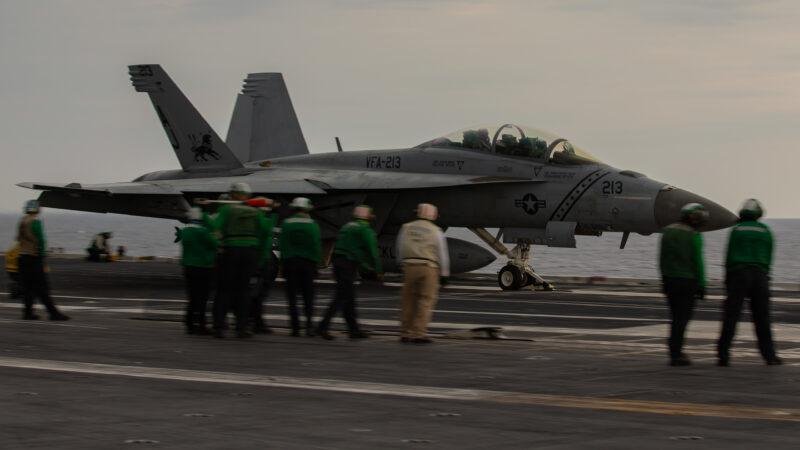
Its future air wing can include aircraft such as the F/A-18E/F Super Hornet, EA-18G Growler, E-2D Advanced Hawkeye, helicopters and eventually other emerging carrier-based platforms.
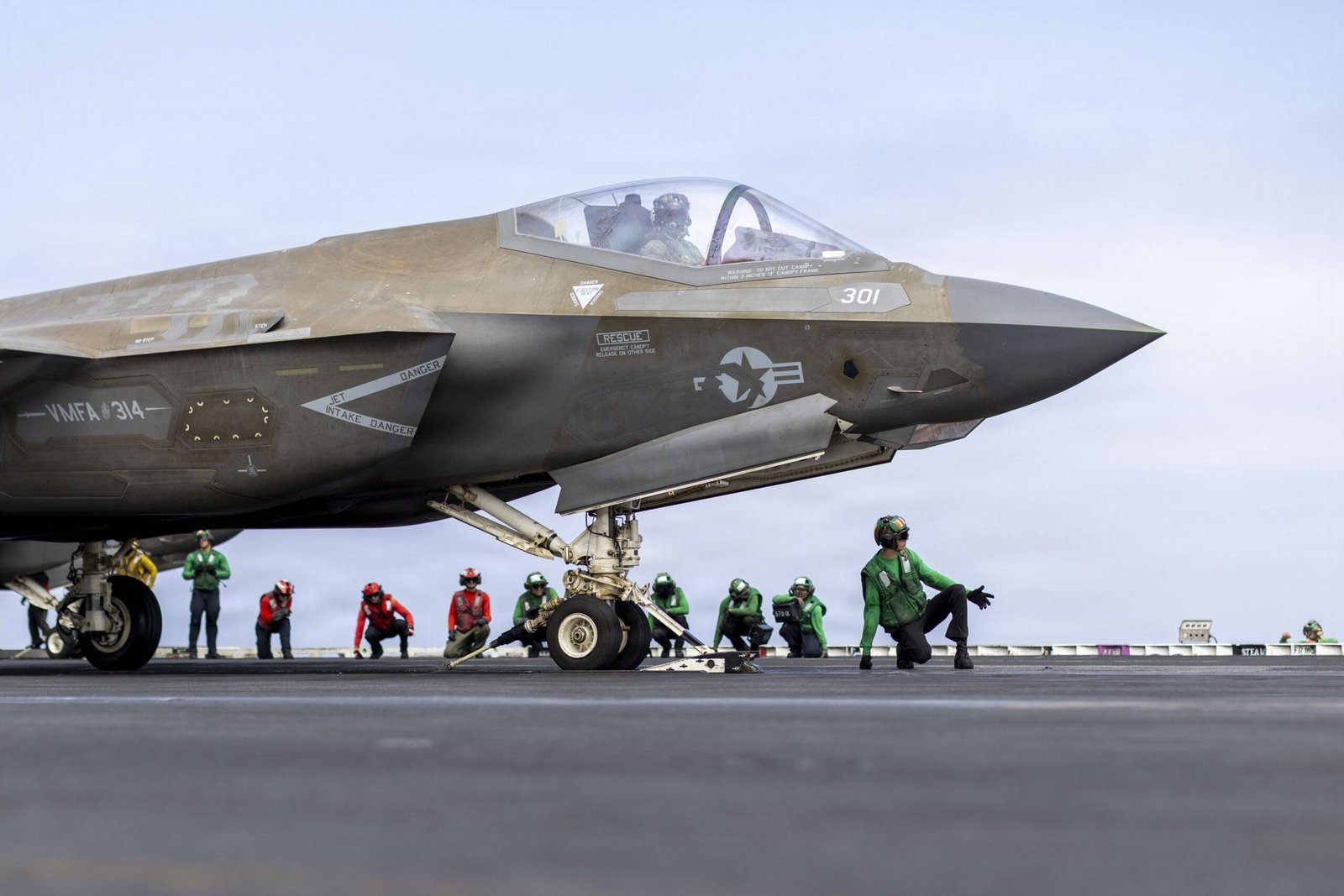
One particularly important requirement involves the fifth-generation F-35C Lightning II.
Congress mandated that John F. Kennedy be capable of embarking the F-35C for its first operational deployment. Meeting that requirement has required the Navy to incorporate the necessary infrastructure and modifications into CVN-79 before the ship enters frontline service.
That approach differs from USS Gerald R. Ford, which entered service before receiving the full modifications necessary to support routine F-35C operations.
The MQ-25 Stingray unmanned aerial refueling aircraft represents another significant capability expected to influence future Ford-class carrier operations.
Together, platforms such as the F-35C and MQ-25 will help reshape the composition and reach of future U.S. Navy carrier air wings.
More Than a Decade of Construction and Delays
John F. Kennedy CVN-79 has followed a long road toward delivery.
The carrier was laid down at Newport News Shipbuilding in 2015 and christened in December 2019.
Since then, the ship has undergone years of construction, outfitting, systems integration and testing.
Its delivery schedule has shifted repeatedly as the Navy incorporated equipment modifications and additional capabilities into the carrier.
When John F. Kennedy was launched in 2019, delivery had been targeted much earlier. The current Navy schedule calls for the ship to be handed over in March 2027, although government assessments have warned that the date could move further.
The lengthy construction timeline also reflects a broader strategy surrounding CVN-79.
Rather than delivering the carrier and performing substantial modifications afterward, the Navy has sought to incorporate several capabilities before delivery, particularly those required for the ship’s future air wing.
The completion of acceptance sea trials is therefore especially significant.
After years of construction inside Newport News, CVN-79 has now demonstrated another major portion of its capabilities while operating at sea.
What Happens After the John F. Kennedy Sea Trials?
Successfully completing acceptance trials does not mean CVN-79 immediately becomes an operational aircraft carrier.
The ship still faces additional work before it can deploy with the fleet.
The remaining process includes delivery, commissioning, certification, crew training and fleet integration. Additional work can also continue after delivery as systems and capabilities are completed, tested or refined.
The Navy’s current schedule calls for delivery in 2027, while operational duties are expected later.
Even after the Navy formally accepts the ship, preparing a nuclear-powered aircraft carrier and its crew for deployment is an enormous undertaking.
Still, completing acceptance sea trials removes another major hurdle.
After more than a decade of construction, John F. Kennedy CVN-79 is moving increasingly closer to transitioning from a shipbuilding program into an operational U.S. Navy aircraft carrier.
FAQ: John F. Kennedy CVN-79
What did the John F. Kennedy CVN-79 sea trials test?
Acceptance sea trials allowed Navy inspectors to evaluate key systems and components aboard the future USS John F. Kennedy while the carrier operated at sea.
The trials represent one of the major evaluation milestones that must be completed before the Navy formally accepts a new aircraft carrier.
When will John F. Kennedy CVN-79 be delivered?
The current Navy schedule calls for CVN-79 to be delivered in March 2027.
Delivery will not immediately make the carrier operational. Additional commissioning, certification, training and fleet-integration work will still be required before John F. Kennedy can conduct an operational deployment.
How is CVN-79 different from USS Gerald R. Ford?
As the second Gerald R. Ford-class aircraft carrier, CVN-79 benefits from experience gained building, testing and operating first-in-class USS Gerald R. Ford.
One particularly important difference is the requirement for John F. Kennedy to support the F-35C Lightning II from its first deployment. The ship also incorporates changes and lessons learned involving systems such as the Advanced Weapons Elevators.
What aircraft will USS John F. Kennedy operate?
The carrier is designed to support a modern U.S. Navy carrier air wing, including aircraft such as the F/A-18E/F Super Hornet, EA-18G Growler, E-2D Advanced Hawkeye, F-35C Lightning II and helicopters.
Future carrier operations are also expected to incorporate the MQ-25 Stingray unmanned aerial refueling aircraft.
What class of aircraft carrier is CVN-79?
USS John F. Kennedy is the second Gerald R. Ford-class nuclear-powered aircraft carrier, following USS Gerald R. Ford (CVN-78).
Looking Ahead
When its transition from shipbuilding program to fleet carrier is complete, CVN-79 will become the second operational representative of an aircraft carrier class intended to define American naval aviation for much of the 21st century.
The successful completion of the John F. Kennedy CVN-79 sea trials is therefore more than another construction milestone.
It brings the U.S. Navy another step closer to adding its second Ford-class carrier to the fleet.
The Aviation Diary will continue covering developments involving CVN-79, the Gerald R. Ford-class carrier program, F-35C carrier integration and other major developments in U.S. naval aviation.
Sources
For additional information about this story:
- HII: Newport News Shipbuilding Completes Successful Acceptance Sea Trials of John F. Kennedy (CVN 79)
- USNI News: Carrier John F. Kennedy Leaves Newport News for Acceptance Trials, 7 Weapons Elevators Delivered
- The Aviationist: The Future USS John F. Kennedy Begins Acceptance Trials Ahead of Delivery