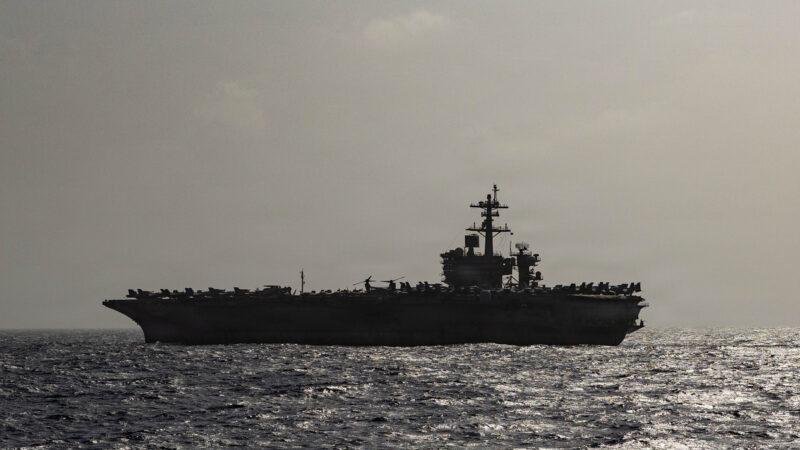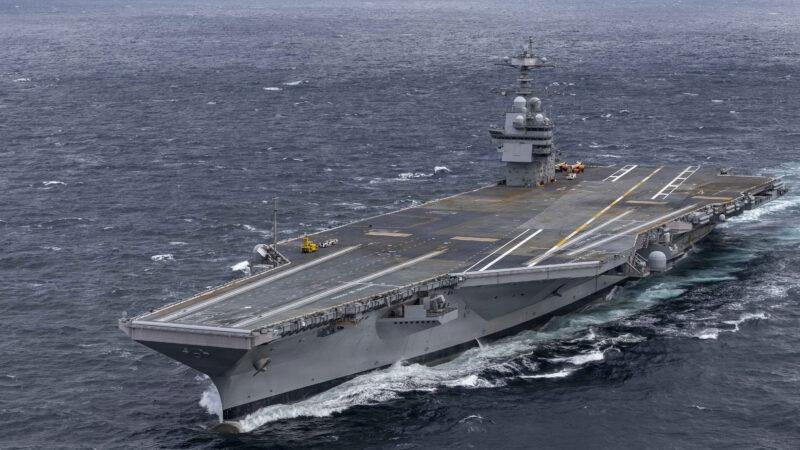
USS George Washington 200,000th recovery marks a major aviation milestone for the U.S. Navy’s only forward-deployed nuclear-powered supercarrier, which landed its 200,000th fixed-wing aircraft while underway in the Indian Ocean on August 18. The achievement caps 34 years of continuous service for the Nimitz-class carrier, which arrived in the Middle East this week to relieve USS Abraham Lincoln after a record-breaking deployment.
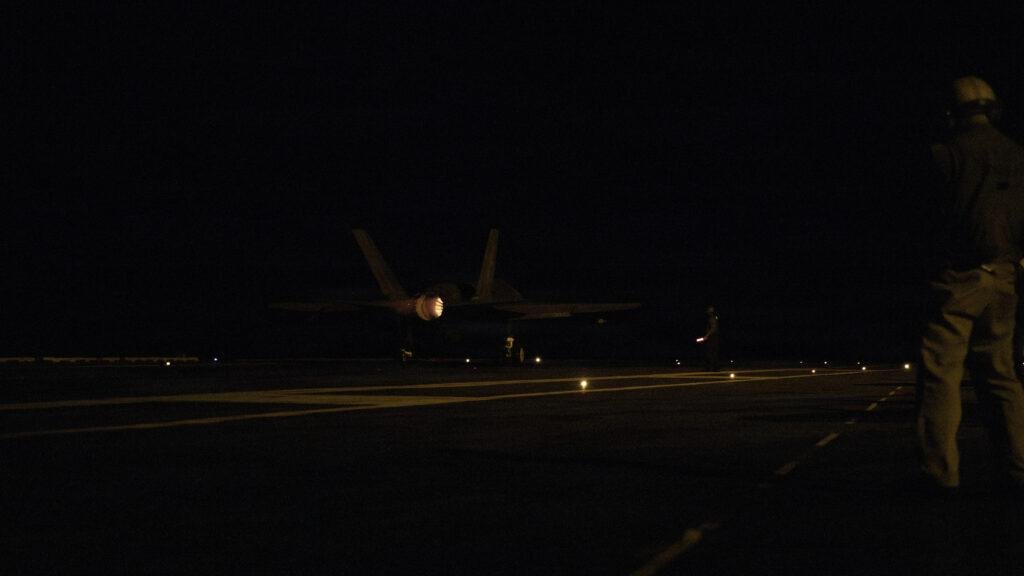
The milestone recovery was flown by Navy Lt. Steven Frazier of Strike Fighter Squadron 147, who landed an F-35C Lightning II aboard the carrier following routine operations in the U.S. 7th Fleet area of responsibility.
Table of Contents
USS George Washington 200,000th Recovery Explained
The U.S. Navy confirmed the USS George Washington 200,000th recovery in an official release, describing the achievement as a testament to more than three decades of consistent flight deck operations. A “recovery,” in naval aviation terms, refers to an aircraft successfully landing — or “trapping” — aboard the carrier using its arresting gear system.
Lt. Frazier, who flew the milestone landing, described the moment as a reflection of the entire crew’s work rather than an individual accomplishment.
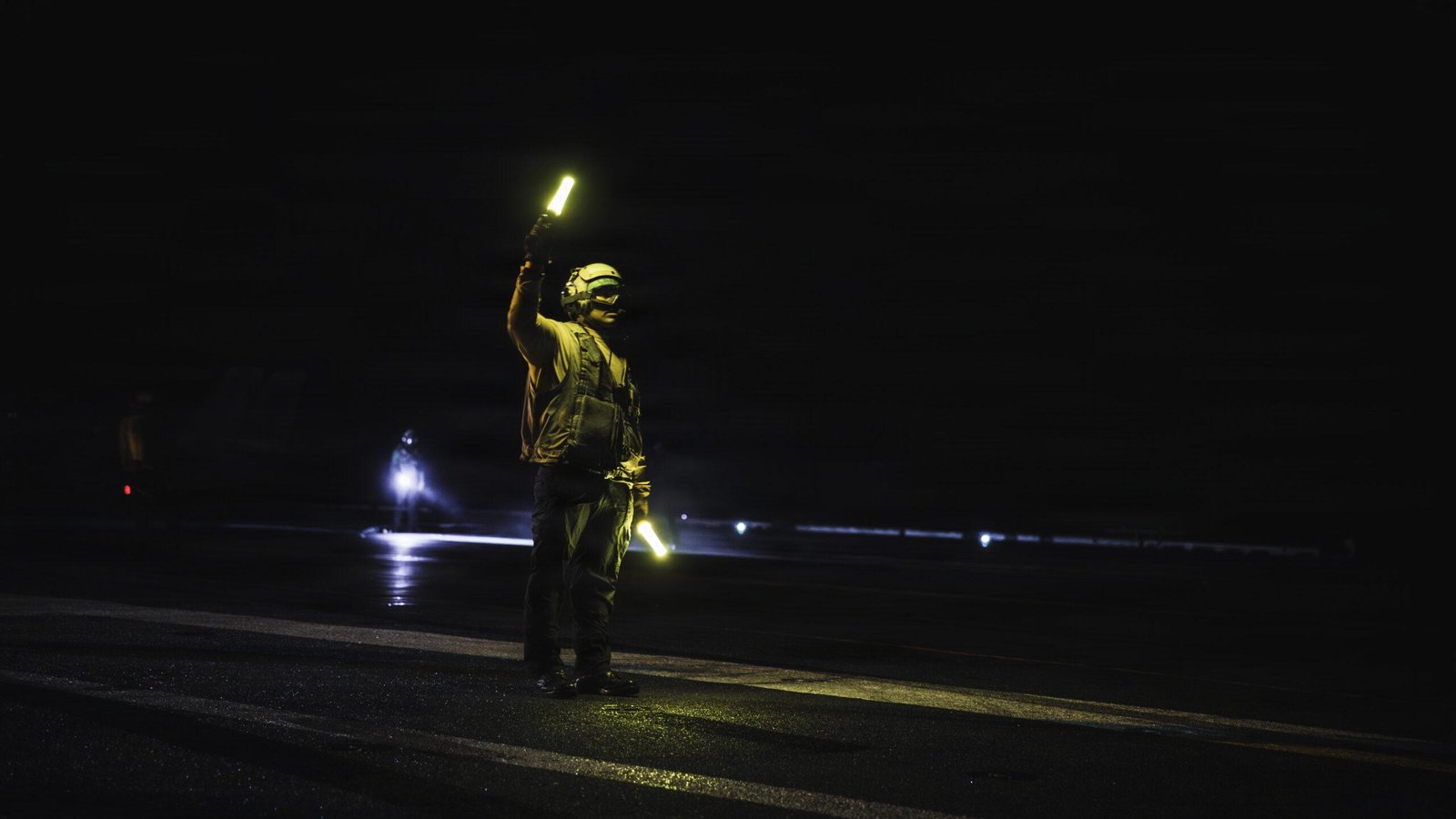
For the George Washington, more than anything, it shows consistency over the last 34 years to be able to complete whatever mission the country calls upon it to do.
Navy Lt. Steven Frazier, Strike Fighter Squadron 147
34 Years of Continuous Service
USS George Washington (CVN 73) has served as the U.S. Navy’s only permanently forward-deployed nuclear-powered aircraft carrier, based out of Yokosuka, Japan, and serving as the centerpiece of Carrier Strike Group 5. Over 34 years, thousands of sailors have contributed to the carrier’s flight operations, from arresting gear teams to flight deck crews.
Captain Nicholas DeLeo, commander of USS George Washington, credited the milestone to the full range of personnel who keep the ship’s flight deck running:
- Arresting gear teams responsible for safely catching each landing aircraft
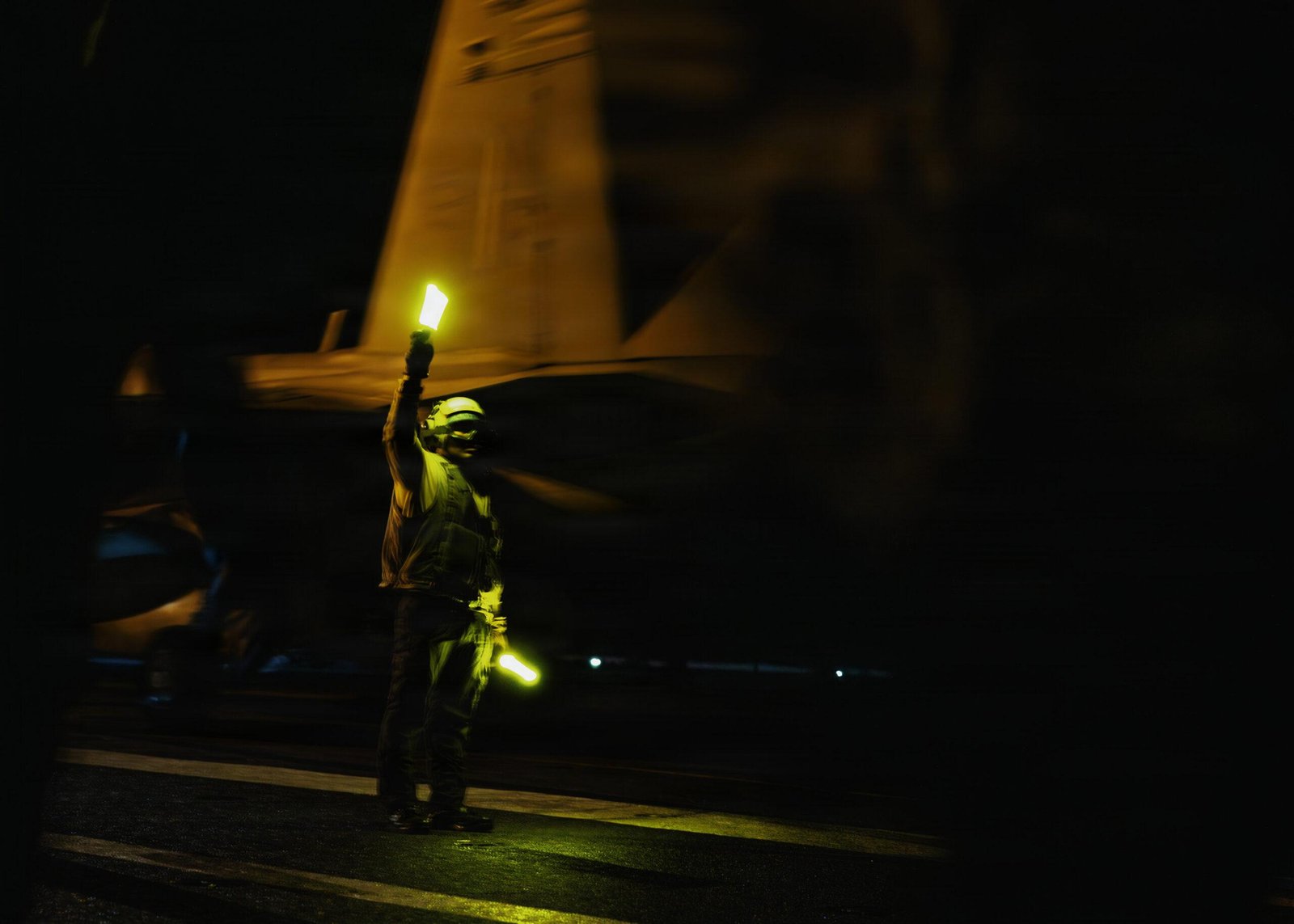
- “Yellow shirts” who direct aircraft movement across the flight deck
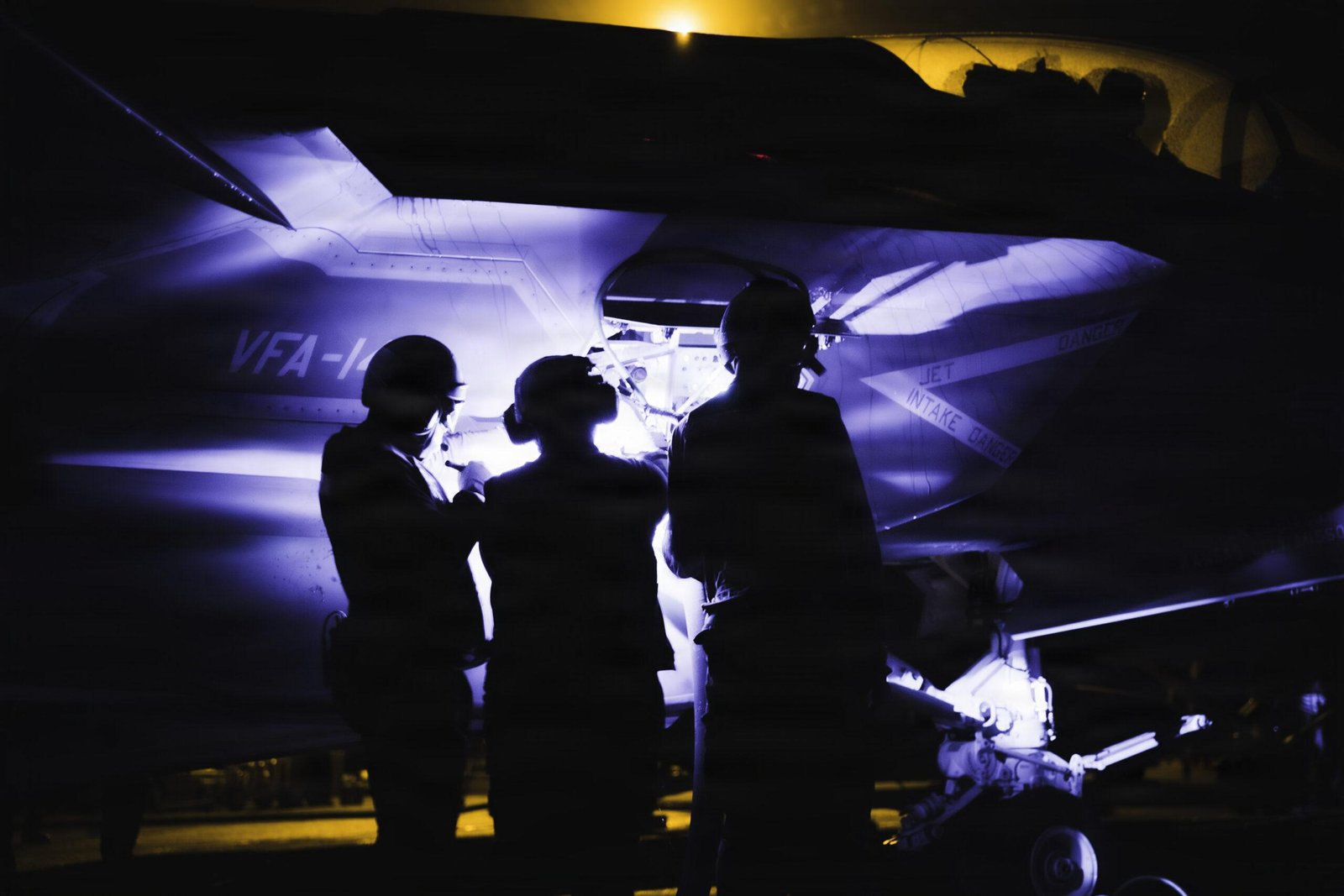
- Maintainers who keep the air wing’s aircraft mission-capable
- Watch-standers who oversee round-the-clock flight operations
“Our ship continues to deliver combat power from the sea, and this milestone is proof that GW is ready for whatever the nation asks of us,” DeLeo said in the Navy’s release.
From the F-14 to the F-35C
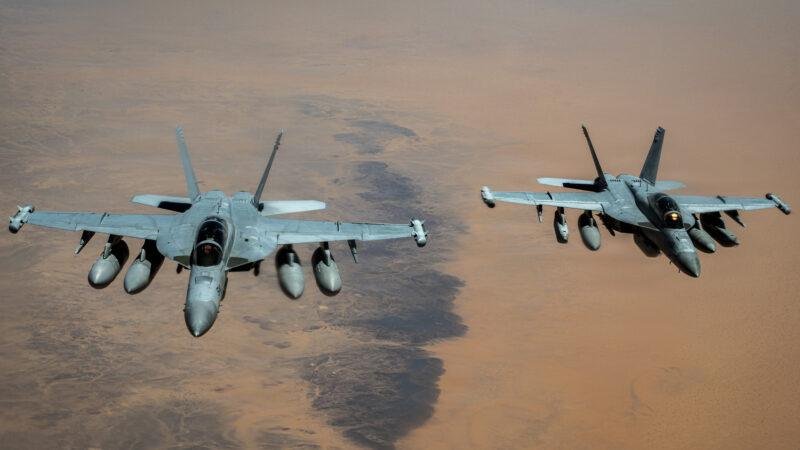
The 200,000-recovery milestone also traces the evolution of U.S. carrier aviation itself. Since USS George Washington’s commissioning, the aircraft operating from its flight deck have spanned multiple generations — from F-14 Tomcats in the ship’s early years to today’s fifth-generation F-35C Lightning IIs, the same aircraft type that flew the record-setting landing.
That technological shift mirrors the broader transformation of naval aviation over three decades, as carriers moved from Cold War-era fighters to stealth-capable, network-connected aircraft designed for modern threat environments.
Relieving USS Abraham Lincoln
The milestone comes as USS George Washington completes its westward transit from the Indo-Pacific to the Middle East, where it has now relieved USS Abraham Lincoln after that carrier’s record-breaking 260-day deployment. George Washington is now operating in the Arabian Sea alongside USS George H.W. Bush, giving the Navy two carriers in the region simultaneously.
Carrier Strike Group 5, built around George Washington, includes Carrier Air Wing FIVE, the Ticonderoga-class cruiser USS Robert Smalls, and the Arleigh Burke-class destroyer USS Shoup — the Navy’s only permanently forward-deployed carrier strike group.
FAQ: USS George Washington Milestone
What does a “fixed-wing aircraft recovery” mean?
A recovery refers to a fixed-wing aircraft successfully landing aboard the carrier using its arresting gear system, which catches the aircraft’s tailhook to bring it to a stop on the flight deck. It’s distinct from rotary-wing (helicopter) landings.
Who flew the milestone landing?
Navy Lt. Steven Frazier of Strike Fighter Squadron 147 flew the 200,000th recovery, landing an F-35C Lightning II aboard USS George Washington on August 18, 2026.
Where is USS George Washington now?
Following the milestone in the Indian Ocean, USS George Washington continued its transit west and has since arrived in the Arabian Sea, relieving USS Abraham Lincoln and joining USS George H.W. Bush in the Middle East.
Looking Ahead
The USS George Washington 200,000th recovery lands at a pivotal moment for the carrier, as it transitions from more than three decades as the Navy’s forward-deployed centerpiece in the Pacific to a new role anchoring U.S. presence in the Middle East. With two carriers now operating in the region alongside USS George H.W. Bush, the milestone underscores the sustained demand on U.S. carrier aviation even as the fleet modernizes.
The Aviation Diary will continue tracking USS George Washington’s deployment, the broader U.S. Navy carrier posture in the Middle East, and developments in carrier aviation as they unfold.
Sources
For additional information about this story:
- U.S. Navy — George Washington Celebrates 200,000th Recovery
- U.S. Department of War — USS George Washington Celebrates Historic Aircraft Milestone
- Forbes — U.S. Navy’s USS George Washington Hits Fixed-Wing Recovery Milestone