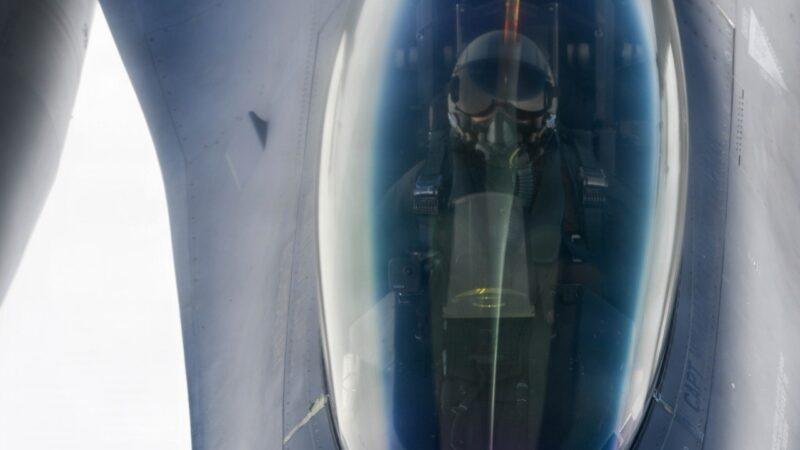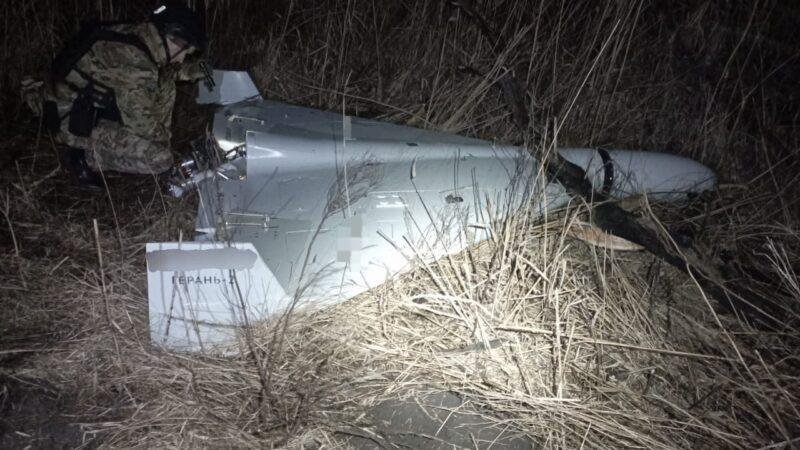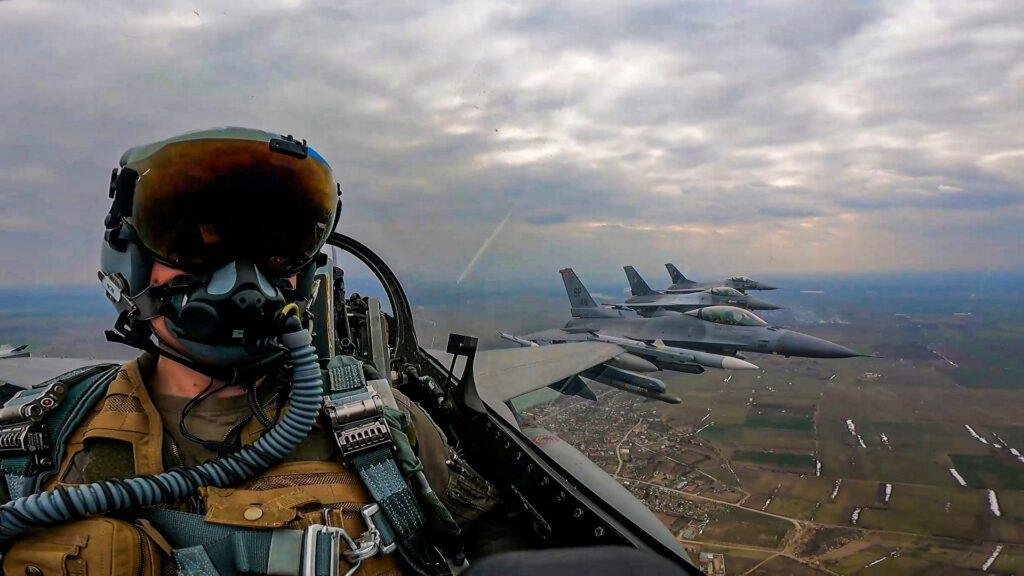
Romania F-16 Scramble operations were triggered on the evening of Oct. 31 after military radar detected two drones entering Romanian airspace without authorization in the country’s northeast. The defense ministry said four F-16 fighters and an IAR-330 SOCAT helicopter were launched, while officials issued precautionary alerts covering six counties.
The ministry did not report any aircraft wreckage from the incident, and it did not identify the type or operator of either drone in its Oct. 31 statement. The event was a fresh incursion, distinct from an earlier October engagement in which Romanian fighters shot down two other drones over the Black Sea.
Table of Contents
Romania F-16 Scramble: Aircraft and Radar Response
The Romanian Ministry of National Defence said its radar systems detected two unauthorized aerial objects moving into Romanian airspace on Saturday evening. Aircraft assigned to air-policing duties were launched from the 71st Air Base at Câmpia Turzii and the 86th Air Base at Borcea, supported by an IAR-330 SOCAT helicopter.
The ministry described four F-16s in total, not four drones or four interceptions. It did not claim any target was shot down during this event. One drone subsequently left Romanian airspace, while the second was last observed in an area between Vaslui and Bacău counties, according to the ministry’s statement.
The location is significant because the northeastern region borders Ukraine and Moldova, where military activity can create short-notice airspace threats. This geographic context helps explain the alert posture, but it does not establish that the two reported drones belonged to any particular side. Identifying their origins would require further evidence from authorities.
Public Warning Measures Across Six Counties
The Romania F-16 Scramble response also involved a civilian warning process. The ministry notified the General Inspectorate for Emergency Situations so that precautionary alerts could be issued in Iași, Neamț, Vaslui, Botoșani, Bacău and Suceava. The alerts ended at 7:19 p.m. local time, the official statement said.
Such warnings are a safety response to the possibility that an unmanned aircraft, debris or defensive engagement could affect people on the ground. They do not mean that an impact actually occurred. The Oct. 31 release said no crashes of aerial vehicles had been reported by the time of the update.
The ministry said it was maintaining air surveillance and communicating with allied structures. The statement did not identify a public reopening time for every potentially affected segment of airspace or provide a comprehensive list of disrupted commercial flights. Isolated reports of route diversions should be confirmed separately with airports or operators before being treated as established consequences of this specific event.
Distinguishing the Oct. 31 Incident From Earlier Shootdowns
An Oct. 17 defense ministry update concerned a different encounter: two Romanian F-16s shot down two identified drones over the country’s territorial waters. That incident included weapons employment and a subsequent identification of the targets. Neither fact should be carried over to the latest report without independent confirmation.
The Romania F-16 Scramble on Oct. 31, by contrast, was described as a monitoring and air-policing response to two unauthorized entries. No shootdown was announced. Maintaining that distinction matters because the operational and legal implications of tracking a drone are not the same as engaging it.
Romania operates on NATO’s eastern flank and coordinates air-defense information with allied authorities. TAD’s separate report on a U.S. B-52 escort mission concerns a different air-defense and military aviation setting, not Romanian combat action. The incidents should not be conflated in the absence of verified connections.
FAQ: Romania F-16 Scramble
How many jets took part in the Romania F-16 Scramble?
Romania’s defense ministry said four F-16 fighter aircraft and an IAR-330 SOCAT helicopter were launched.
Were the two drones shot down?
No shootdown was reported for the Oct. 31 event. One drone left Romanian airspace, and the other was last observed between two counties.
Which areas received warnings?
The ministry named six northeastern counties: Iași, Neamț, Vaslui, Botoșani, Bacău and Suceava.
Looking Ahead
Romania said surveillance and communication with allied authorities would continue. No confirmed date for a final identification of the drones or a detailed incident report had been announced in the Oct. 31 release.
Sources
- Romanian Ministry of National Defence — Oct. 31 drone incursion statement
- Romanian Ministry of National Defence — separate Oct. 17 shootdown update