The US Navy 251st birthday marks more than two and a half centuries of American naval service on October 13, 2026. The anniversary commemorates the Continental Congress’s decision in 1775 to establish a naval force during the American Revolutionary War, creating the foundation of today’s United States Navy.
This year’s commemoration carries the official theme “Unwavering Vigilance, Unmatched Lethality,” emphasizing naval readiness, the service of sailors and the continued development of maritime and aviation capabilities. The Navy’s anniversary campaign runs from October 10 through October 17.
From the earliest armed sailing vessels to nuclear-powered aircraft carriers and modern fighter aircraft, the Navy’s history reflects major changes in military technology. The 251st anniversary also provides an opportunity to recognize the personnel responsible for operating, maintaining and supporting those increasingly complex systems.
Table of Contents
US Navy 251st Birthday Honors Its 1775 Founding
The United States Navy traces its origins to October 13, 1775, when the Continental Congress authorized the creation of a naval force to challenge British supply movements during the Revolutionary War.
The original effort involved acquiring and equipping armed vessels capable of intercepting ships carrying military supplies to British forces. Although the force was modest compared with today’s fleet, it established the principle that naval power was essential to American security and maritime commerce.
Following the Revolutionary War, the Continental Navy was disbanded. Congress subsequently authorized six frigates in 1794, while the Department of the Navy was formally established in 1798. These developments helped create the institutional foundation of the modern service.
The Navy’s official birthday observance was established in 1972, when Chief of Naval Operations Admiral Elmo Zumwalt designated October 13 for annual recognition of the service’s history and traditions.
Navy Celebrations Recognize Sailors and Service
The Navy’s 251st birthday commemorations are scheduled throughout October 10–17, with commands encouraged to organize ceremonies, historical presentations and activities recognizing current personnel, veterans and military families.
The Navy History and Heritage Command identifies this year’s central theme as “Unwavering Vigilance, Unmatched Lethality.” Its anniversary communication plan connects that message with forward deployment, operational readiness, technological development and the Navy’s historical mission.
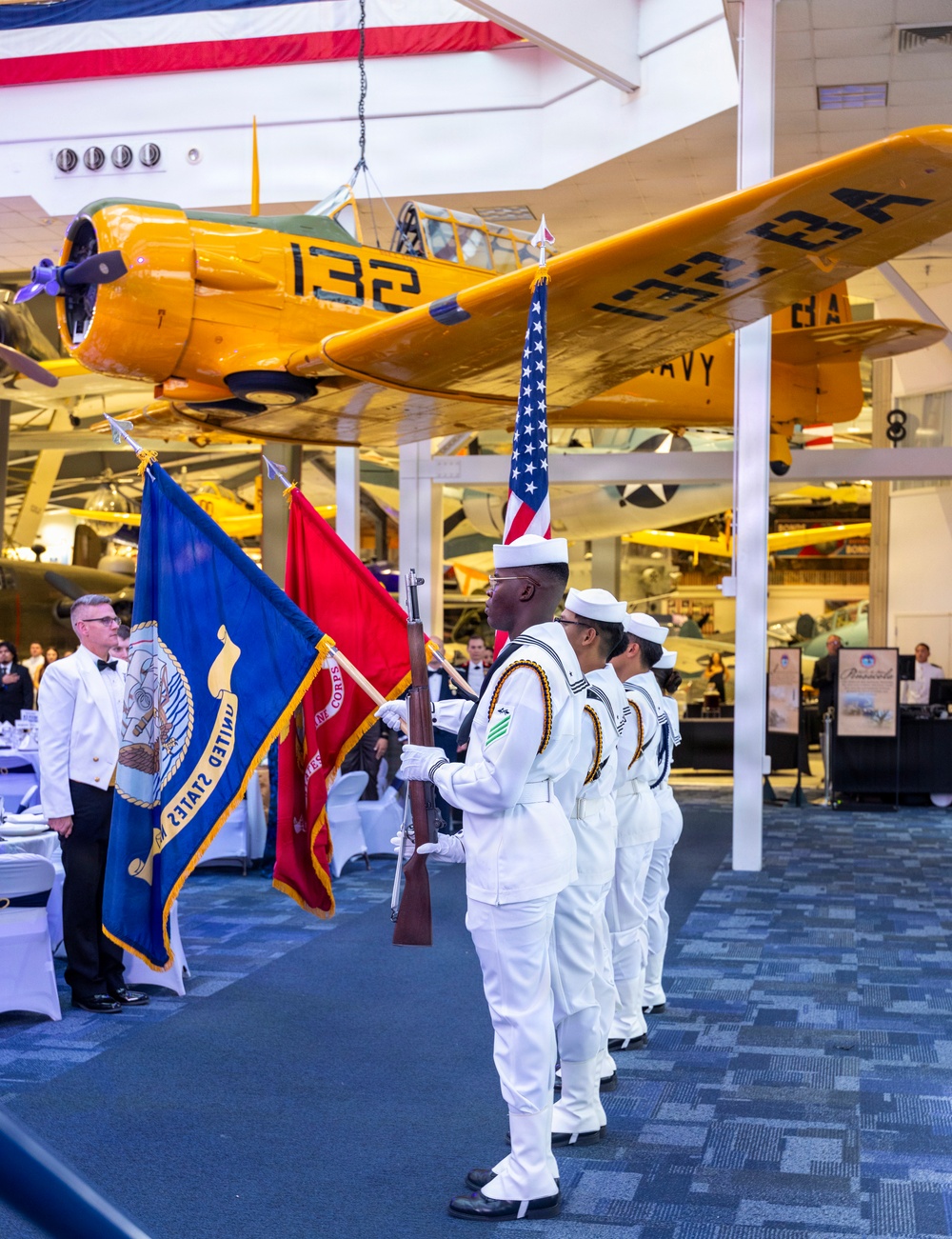
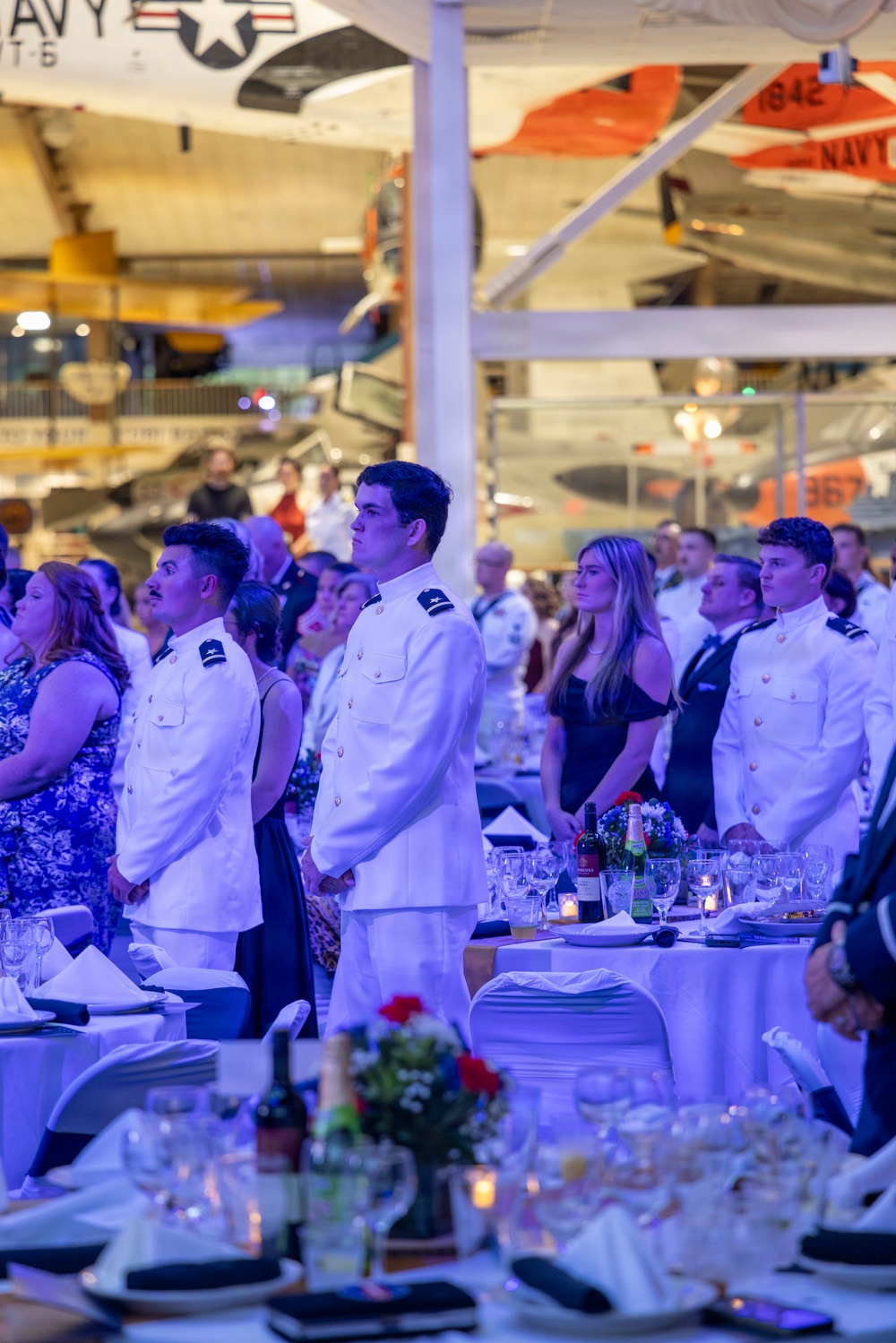
One celebration took place earlier in October at Naval Air Station Pensacola in Florida. The Pensacola-area Navy Ball brought sailors and guests together at the National Naval Aviation Museum to recognize the Navy’s 251st anniversary.
The event also highlighted Pensacola’s aviation and maritime heritage. The installation traces its history to a naval shipyard established in 1826, giving the 2026 celebration additional significance for the local naval community.
Such observances connect the Navy’s historical development with the people serving across its operational commands today. Beyond ships and aircraft, the service depends on sailors working in engineering, logistics, communications, aviation maintenance and numerous other specialties.
Naval Aviation Reflects 251 Years of Innovation
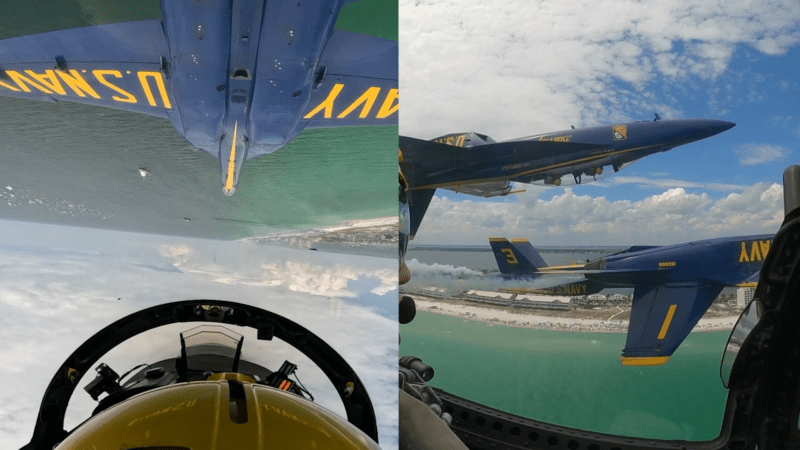
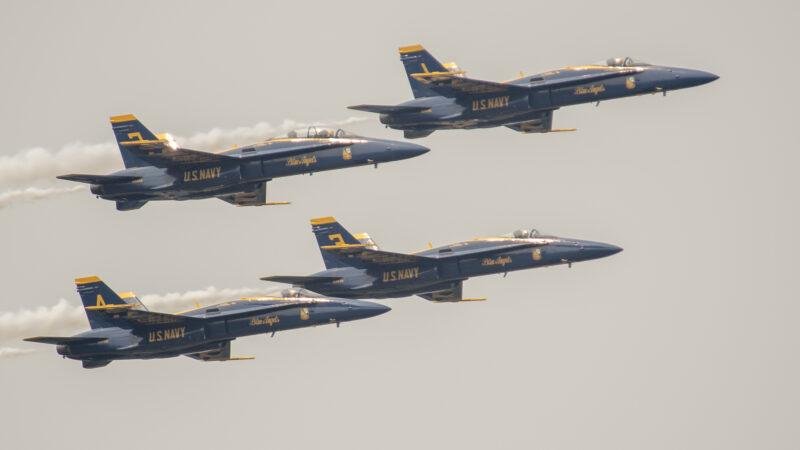
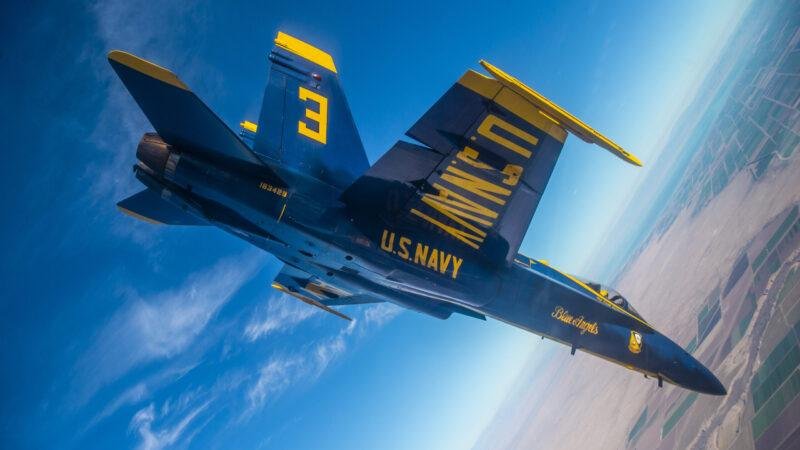
Naval aviation illustrates how dramatically the Navy has evolved since 1775. What began as a force of armed sailing vessels now includes aircraft carriers capable of launching and recovering sophisticated military aircraft far from established airfields.
Modern carrier air wings operate aircraft such as the F/A-18E/F Super Hornet, F-35C Lightning II, EA-18G Growler and E-2D Advanced Hawkeye. These aircraft perform different missions, including strike operations, air defense, electronic warfare, surveillance and airborne command and control.
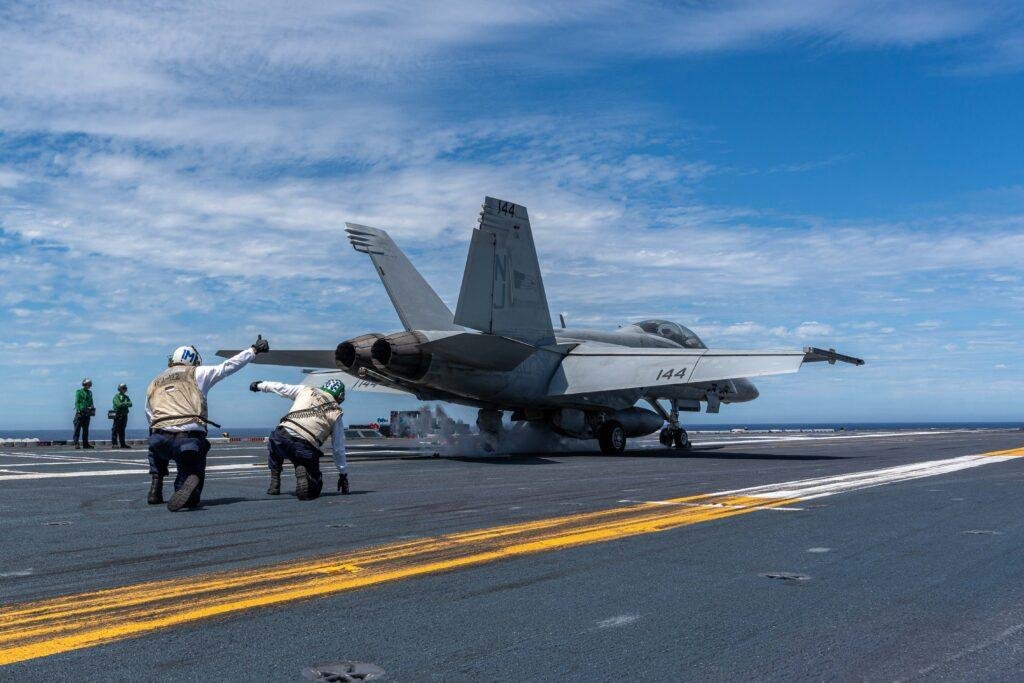
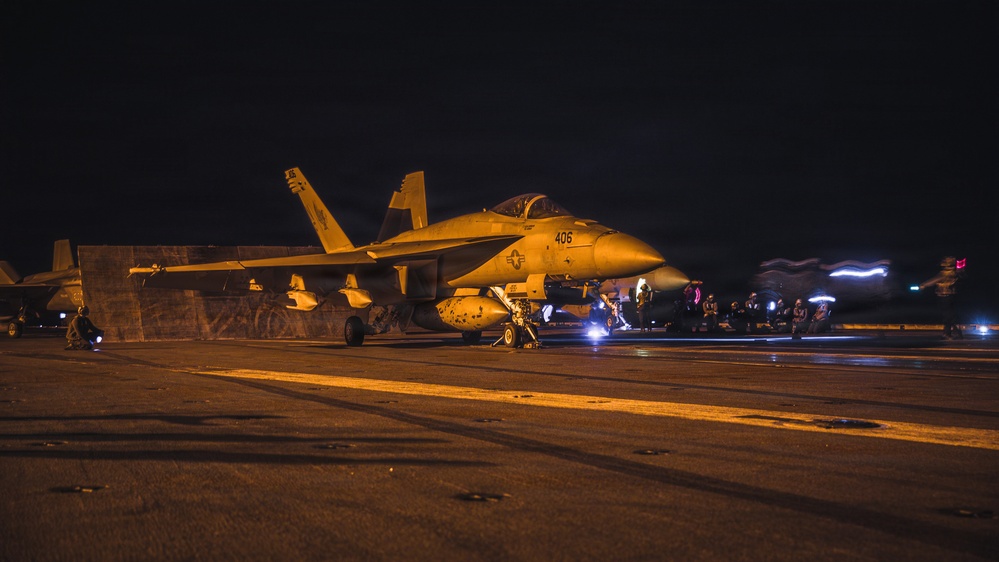
Carrier operations also require extensive coordination between flight deck crews, aircraft maintainers, air traffic controllers, weapons specialists and engineering personnel. Launching and recovering aircraft at sea demands carefully managed procedures and continuous attention to safety.
Recent Navy photography demonstrates these capabilities. In September 2026, F/A-18 Super Hornets conducted flight operations aboard USS Theodore Roosevelt and USS George Washington, providing contemporary examples of the aviation systems supporting naval operations.
Although the aircraft and technologies have changed over time, the underlying requirement remains recognizable: the Navy must train personnel, sustain equipment and maintain the ability to respond when called upon.
FAQ: US Navy 251st Birthday
When was the US Navy founded?
The United States Navy traces its founding to October 13, 1775, when the Continental Congress authorized a naval force during the American Revolutionary War.
What is the theme of the Navy’s 251st birthday?
The official 2026 theme is “Unwavering Vigilance, Unmatched Lethality,” according to the Navy History and Heritage Command.
Why is naval aviation important to the Navy?
Naval aviation enables aircraft carriers and other naval platforms to conduct reconnaissance, surveillance, strike operations, air defense and support missions without relying exclusively on land-based airfields.
Looking Ahead
As the Navy enters its 252nd year, the service continues to balance maritime operations with the long-term demands of shipbuilding, aircraft modernization, maintenance, training and personnel readiness.
The Navy’s 251st birthday offers an opportunity to reflect on that continuing evolution while recognizing the generations of sailors, veterans and civilian personnel who have contributed to more than two and a half centuries of American naval history.
Sources
- Naval History and Heritage Command — Navy Birthday
- Naval History and Heritage Command — 251st Birthday Communication Plan
- Naval History and Heritage Command — Birth of the U.S. Navy
- DVIDS — Naval Aviation Schools Command Hosts Pensacola-area Navy Ball