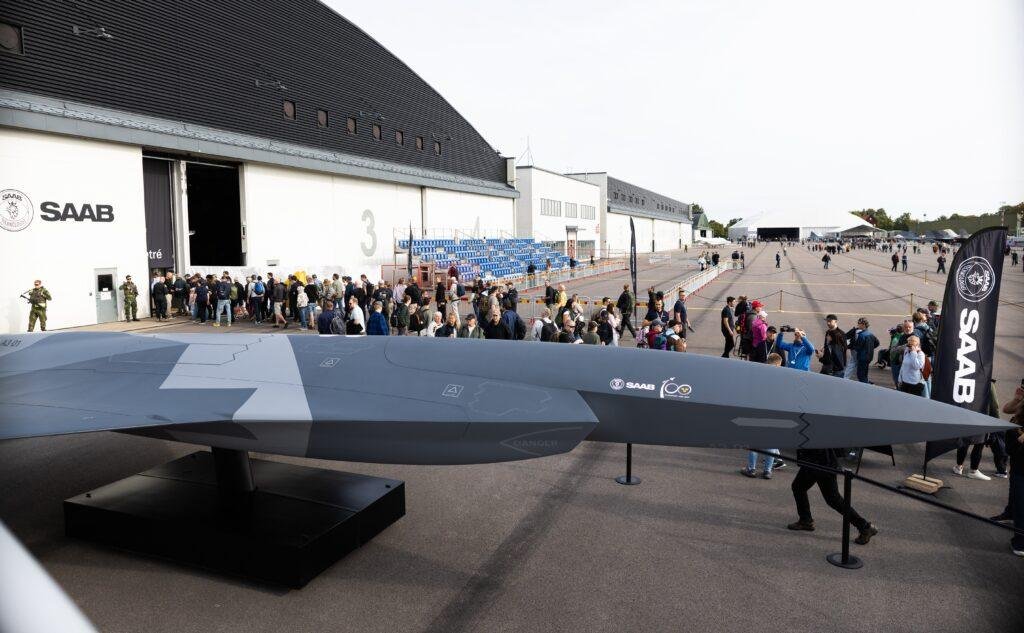
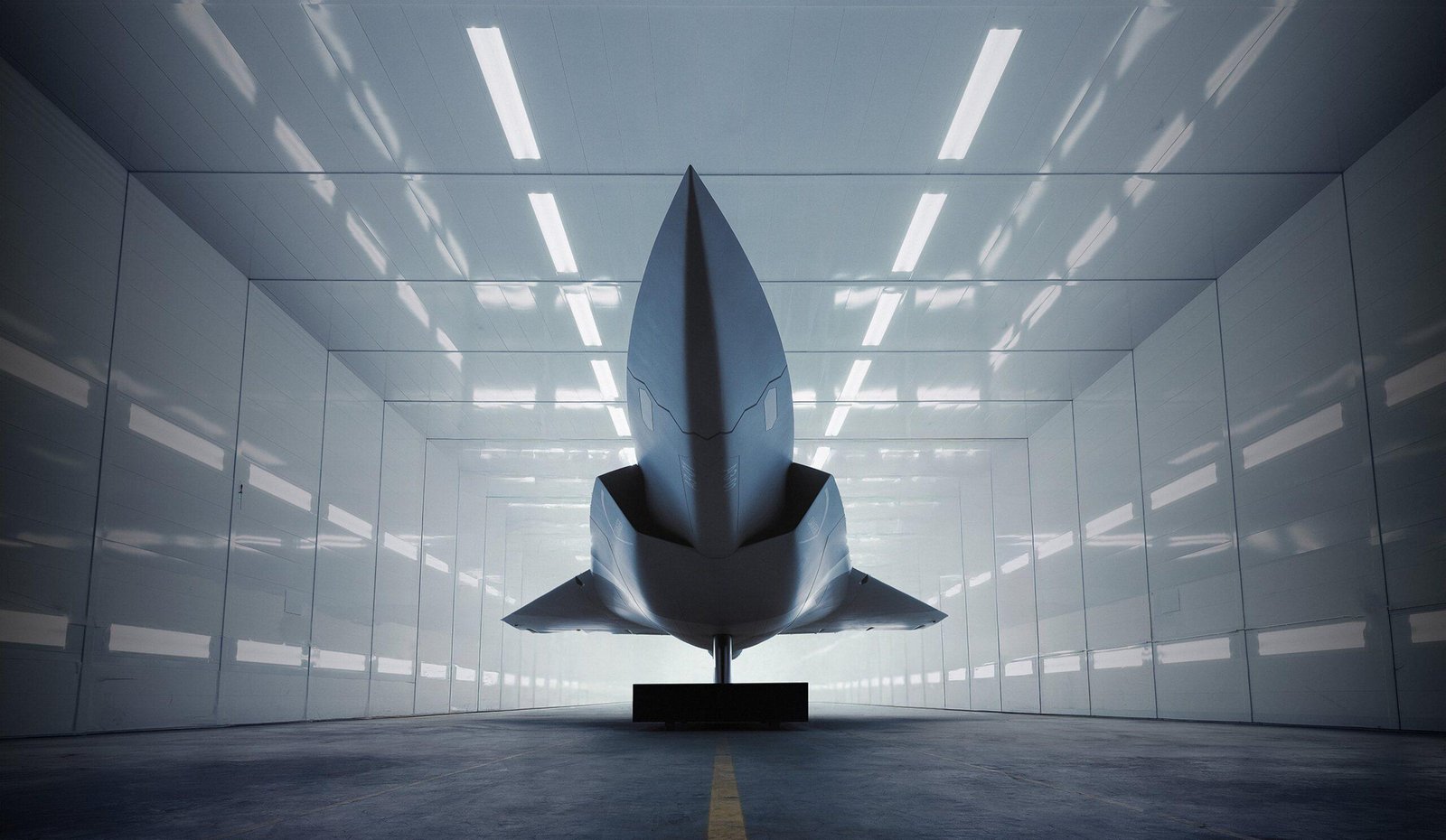
Saab Collaborative Combat Aircraft ambitions took physical form on August 21, when the Swedish defense manufacturer unveiled a full-scale model of its next-generation unmanned fighter concept at its Linköping headquarters. Designated A3-001, the aircraft represents Saab’s entry into the fast-growing collaborative combat aircraft category, positioning the concept as a high-end companion to the Gripen E rather than a low-cost expendable drone.
The unveiling came just ahead of Sweden’s Jubilee Air Show on August 22, giving Saab a prominent stage to introduce a design it has been quietly developing since first sketching unmanned wingman concepts back in 2024.
Table of Contents
Saab Collaborative Combat Aircraft Concept Unveiled
Saab’s Saab Collaborative Combat Aircraft program, internally called the Autonomous Collaborative Platform (ACP), moved from slides to hardware when the company revealed a full-scale model of aircraft A3-001 at its Linköping facility. The reveal marks the most concrete public look yet at a program Saab has been developing since presenting early unmanned fighter concepts on Swedish broadcaster SVT back in 2024.
Two flying technology demonstrators, designated A1 and A2, are funded by the Swedish Ministry of Defence and are intended to prove out the underlying stealth, autonomy, and supersonic-flight technologies. Saab says the first demonstrator could fly within roughly 15 months.
What Makes the A3-001 Different
Where many collaborative combat aircraft programs — including the U.S. Air Force’s CCA effort — emphasize low cost and expendability, Saab is explicitly targeting the higher-performance end of the category. The A3-001 concept combines low observability, internal weapons carriage, and supersonic performance, features the company frames as a deliberate contrast to cheaper, attritable drone designs.
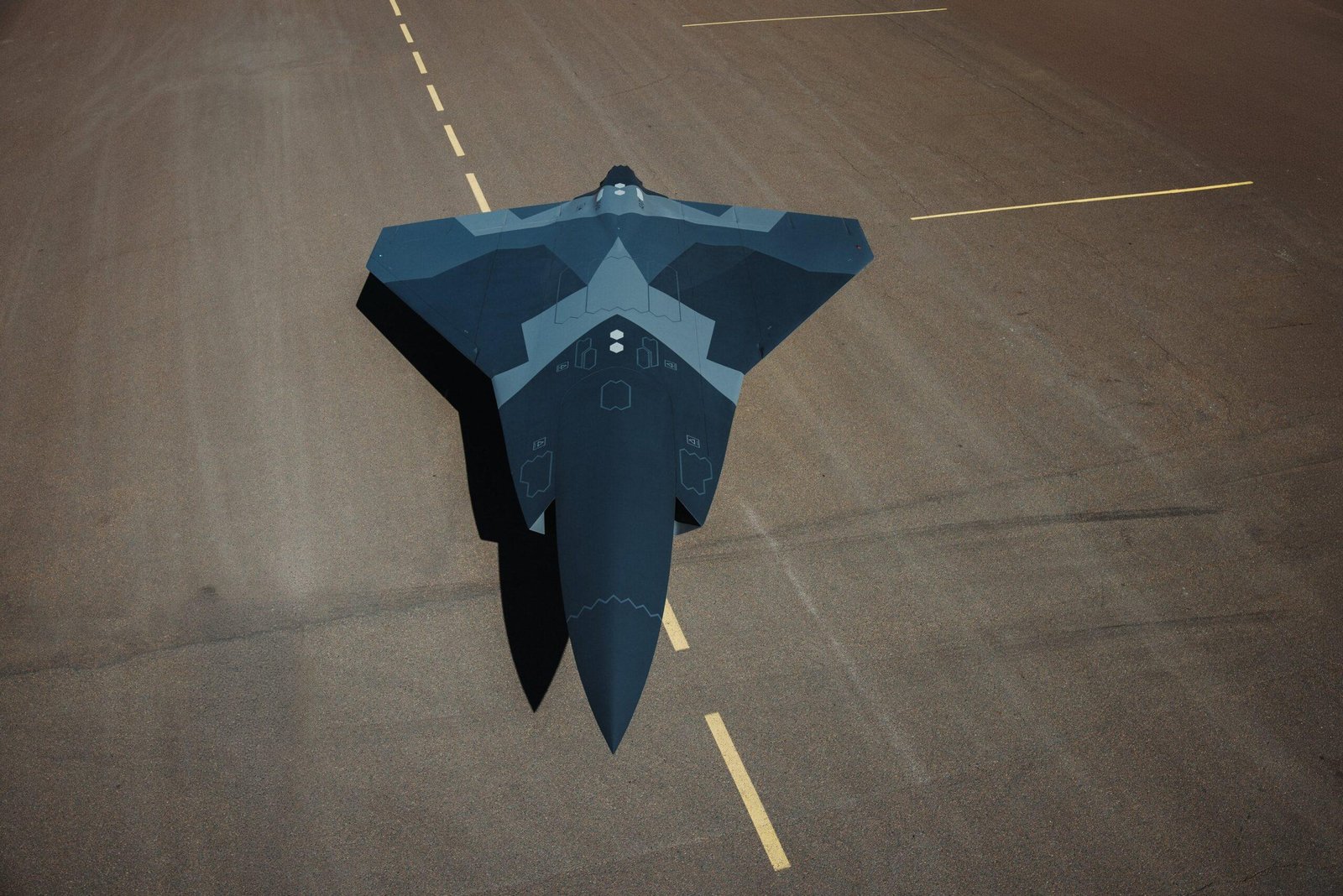
- Blended wing-body design with a double delta wing and cropped edges
- Outward-canted vertical stabilizers and forward-swept engine intakes for reduced radar signature
- Stealthy, low-observable airframe designed for supersonic performance
- Internal weapons and sensor carriage rather than external stores
Saab pointedly positions the ACP as larger, faster, and more advanced than the American CCA concepts currently in development, betting that some customers will pay a premium for a more capable — if costlier — uncrewed partner aircraft.
How It Would Fly With the Gripen E
The operational concept centers on collaboration with the Gripen E, whose pilot would shift from a traditional fighter pilot role into something closer to a mission commander. Rather than directly flying each aircraft, the pilot would define targets and tasks while onboard AI agents handle execution.
Saab envisions a layered architecture built around three elements: the Global Eye airborne early-warning aircraft providing broad situational awareness, the Gripen E handling tactical command, and autonomous ACP aircraft extending the formation’s range and sensor reach. Initially deployed as a conventional loyal wingman flying close to the Gripen, the ACP is intended to eventually operate at greater distances and take on higher-risk missions independently.
Manned and unmanned combat aircraft will continue to coexist for decades to come. What matters more is how the role of humans will change.
Saab executive, on the ACP program’s long-term vision
A Bigger Bet Than Just a Wingman
Saab’s reveal included more than the A3-001 alone. Among the concepts on display was an illustrative “F-Series” lineup spanning a manned future fighter, the subsonic unmanned A3-001-type aircraft, the current Gripen E, a larger supersonic uncrewed fighter, and a low-cost subsonic drone weighing under one ton — suggesting Saab is mapping out an entire family of systems rather than a single aircraft.
The company says the technology underpinning the ACP — software, AI, sensors, connectivity, and autonomy — could also serve as the foundation for a future crewed Gripen successor, a requirement the Swedish Air Force isn’t expected to need until sometime after 2055. Sweden has not yet committed to ordering full development of the A3 concept; work on the demonstrators is expected to continue through the end of the decade, when Stockholm is expected to make broader decisions about its future combat-air capability.
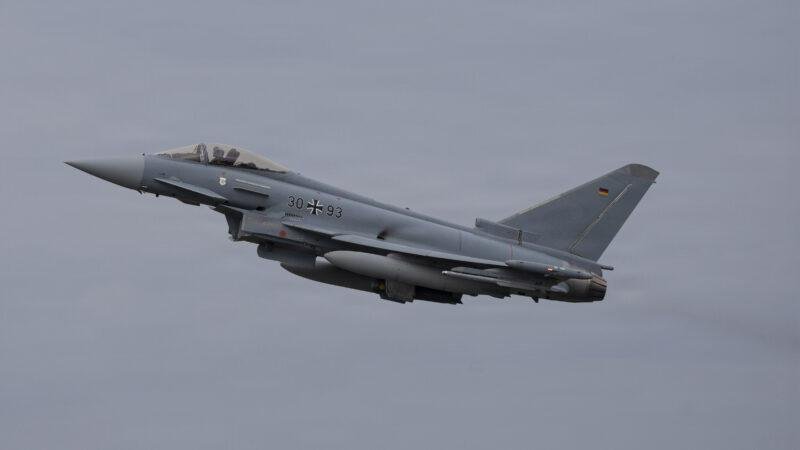
Saab is also separately exploring a joint loyal-wingman program with Airbus, aimed at supporting the Eurofighter Typhoon alongside the Gripen — a sign the company is positioning its uncrewed technology as a broader European offering rather than a Sweden-only program.
FAQ: Saab Collaborative Combat Aircraft
What is Saab’s Collaborative Combat Aircraft called?
Saab calls the overall program the Autonomous Collaborative Platform (ACP). The full-scale model unveiled on August 21 is designated aircraft A3-001, part of a planned family that also includes flying demonstrators A1 and A2.
When will Saab’s uncrewed fighter actually fly?
Saab says the first A1 demonstrator could fly within about 15 months of the August 2026 reveal. The A3-001 shown at Linköping was a full-scale model rather than a flying prototype.
Has Sweden ordered the A3-001 for production?
No. Sweden has funded the A1 and A2 technology demonstrators through its Ministry of Defence, but has not yet ordered development or production of the full A3 concept. Broader decisions on Sweden’s future combat-air capability aren’t expected until closer to the end of the decade.
Looking Ahead
The Saab Collaborative Combat Aircraft reveal signals that the loyal-wingman concept pioneered in the United States and Australia has firmly reached Europe, with Sweden positioning itself as a first-mover in the high-end segment of the category. Whether Saab’s bet on performance over affordability pays off will depend on both the success of the A1 and A2 demonstrators and whether Sweden — or export customers — are willing to fund a costlier uncrewed partner over cheaper, more expendable alternatives.
The Aviation Diary will continue tracking the ACP program’s demonstrator flights, Saab’s parallel work with Airbus on a Eurofighter-compatible wingman, and broader developments in the global collaborative combat aircraft race.
Sources
For additional information about this story:
- The Aviationist — Saab Unveils A3-001 Collaborative Combat Aircraft Concept
- TWZ — Saab Unveils Stealthy Supersonic ‘Fighter Drone’ Concept
- Air Data News — Saab reveals full-scale model of supersonic unmanned fighter