The Cape Newenham Alaska crash killed all eight people aboard a chartered Cessna 441 Conquest II that went down near a remote Air Force radar site in southwestern Alaska on August 20. The flight, contracted by the U.S. Army Corps of Engineers, crashed on a second landing attempt after the pilot aborted an earlier approach amid dense fog. Officials have since identified three of the eight victims.
The National Transportation Safety Board is leading the investigation. No cause has been determined, and officials have cautioned that recovering the wreckage will be difficult given the site’s steep, mountainous terrain.
Table of Contents
What Happened at Cape Newenham
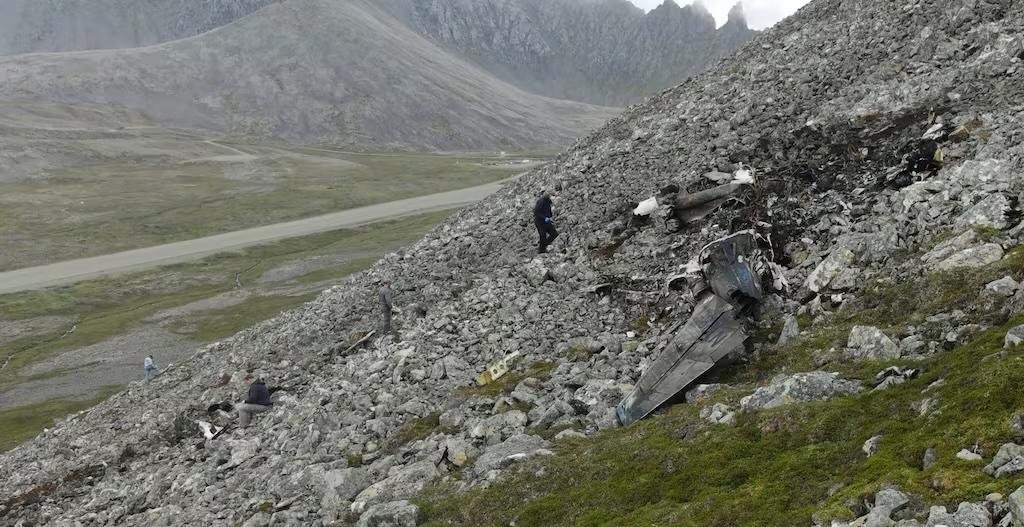
The twin-engine Cessna 441 Conquest II, operated by Anchorage-based charter company Security Aviation, departed Ted Stevens Anchorage International Airport at approximately 9:15 a.m. on August 20, bound for Cape Newenham Long Range Radar Site Airport. According to NTSB Alaska Regional Office Chief Clint Johnson, the aircraft crashed on land about a quarter-mile west of the arrival runway at approximately 11:45 a.m., following a missed approach.
The aircraft was operating in instrument meteorological conditions at the time, meaning the crew was navigating solely by instruments due to weather that prevented visual reference to the ground. The National Weather Service reported fog and extremely low visibility in the area around the time of the crash. The pilot aborted at least one landing attempt due to low visibility before the aircraft crashed during a second attempt, investigators say. Air traffic controllers in Anchorage received an alert that the aircraft had not arrived, prompting the search response.
The NTSB has not determined a cause. NTSB Alaska Regional Office Chief Clint Johnson said the wreckage is “highly fragmented” and that a post-crash fire occurred, which he described as indicative of a high-speed event. A six-member NTSB team led by Senior Air Safety Investigator Eric Gutierrez, along with an FAA investigator, traveled to the remote site, which Johnson said would require a helicopter recovery given the steep, mountainous terrain.
Who Was Aboard
Eight people were aboard the flight that became the deadliest Cape Newenham Alaska crash in recent memory: two pilots, two employees of the U.S. Army Corps of Engineers, and four contractors. The flight had been chartered by the Army Corps of Engineers to transport personnel for an infrastructure assessment and mission support assignment at the radar site.
Officials with the U.S. Air Force and U.S. Army Corps of Engineers identified three of the eight victims on August 24. The Army Corps of Engineers – Alaska District identified Sabrina Hansen, a fire protection engineer, and Hayden Scalis, a mechanical engineer, both of Anchorage and both from the district’s Engineering Division. The two were on official duty for a routine site visit to inspect and perform maintenance on a new fire suppression system at Cape Newenham, in support of the Air Force. The Air Force separately identified 2nd Lt. Leah R. Borsich, 23, a project programmer with the 611th Civil Engineer Squadron at Joint Base Elmendorf-Richardson.
Alaska State Troopers said they will release the identities of the remaining five people aboard once notification of next of kin is complete. Security Aviation, the charter operator, said in a statement it is cooperating fully with investigators and would not speculate about the cause, deferring questions to the agencies leading the investigation.

Lt. Borsich was a positive leader who brought tremendous energy and enthusiasm to our command. She led with professionalism, compassion and purpose, and her presence strengthened the bonds between the people around her.
Col. Timothey Meerstein, commander, Pacific Air Forces Regional Support Center
This is a devastating loss for our military family and the communities we serve. These individuals were dedicated professionals carrying out a vital mission in a demanding environment.
U.S. Air Force Lt. Gen. Robert Davis, commander of Alaskan Command
Alaska Sen. Lisa Murkowski, who said she has traveled extensively with Security Aviation, offered condolences in a statement, noting the company’s pilots as experienced operators throughout the state.
The Response
An Alaska Air National Guard HH-60W Jolly Green II, supported by an HC-130J Combat King II, reached the Cape Newenham Alaska crash site the same day. Guardian Angel pararescue personnel from the 212th Rescue Squadron confirmed there were no survivors, according to a NORAD statement.
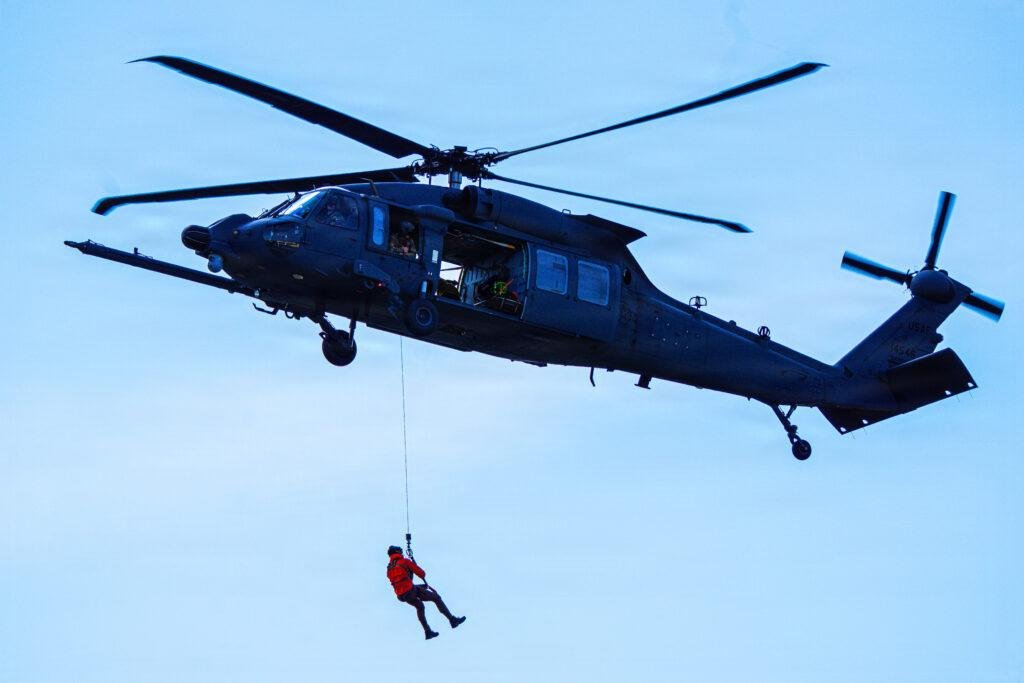
NTSB investigator Millicent Hill said search and rescue forces reached the scene by Thursday evening. NORAD said the names of those killed would be released 24 hours after next-of-kin notifications were complete.
About Cape Newenham Long Range Radar Site
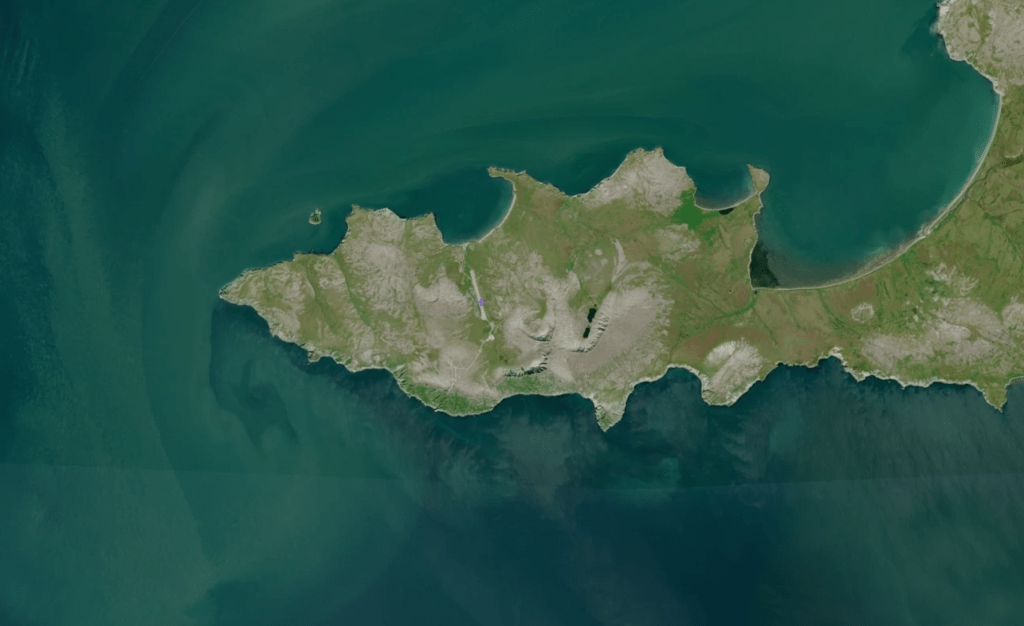
Cape Newenham Long Range Radar Site is part of a network of remote installations that track aircraft operating in Alaska’s airspace and along its borders. It is managed by the Pacific Air Forces Regional Support Center. The site was built in the 1950s as part of a Cold War-era early warning network and today monitors airspace toward Russia, North Korea, and China.
The airstrip serving the facility is a gravel runway built on the slope of a roughly 2,300-foot mountain, about 40 miles south of Goodnews Bay. Access is restricted to military and approved charter flights.
FAQ: Cape Newenham Alaska Crash
What caused the Cape Newenham Alaska crash?
The cause has not been determined. The NTSB is investigating, and officials have confirmed only that the aircraft crashed on a missed approach in instrument meteorological conditions, without weather visibility to the ground.
Who operated the aircraft that crashed?
The Cessna 441 Conquest II was operated by Security Aviation, an Anchorage-based charter company, and had been chartered by the U.S. Army Corps of Engineers for an infrastructure assessment mission.
Have any victims been identified?
Yes. On August 24, officials identified three of the eight victims: Army Corps of Engineers employees Sabrina Hansen and Hayden Scalis, both of Anchorage, and Air Force 2nd Lt. Leah R. Borsich, 23. Alaska State Troopers will release the remaining five names once next-of-kin notifications are complete.
Were there any survivors?
No. Search and rescue personnel confirmed there were no survivors among the eight people aboard: two pilots, two Army Corps of Engineers employees, and four contractors.
Looking Ahead
The NTSB investigation into the Cape Newenham Alaska crash remains active, and investigators have cautioned that reaching the wreckage in steep, mountainous terrain will itself be a significant undertaking before any findings on cause can be developed. The Air Force has begun releasing victims’ identities, starting with 2nd Lt. Leah R. Borsich, though no new information about the cause has emerged. A preliminary NTSB report is typically issued within weeks of an accident, with a final determination of probable cause often taking a year or more.
The Aviation Diary will continue following the NTSB investigation and will update this story as officials release additional information, including the identities of those killed once next-of-kin notifications are complete.
Source
- DVIDS — Alaskan Command confirms aircraft crash near Cape Newenham
- Alaska’s News Source — NTSB: Western Alaska radar site crash occurred on second landing attempt
- Anchorage Daily News — Authorities identify 3 of 8 people killed in Southwest Alaska plane crash
- Eleventh Air Force / DVIDS — Aircraft incident near Cape Newenham: Eleventh Air Force releases name of deceased airman
- Alaska’s News Source — NTSB begins recovery after 8 die in remote Alaska plane crash