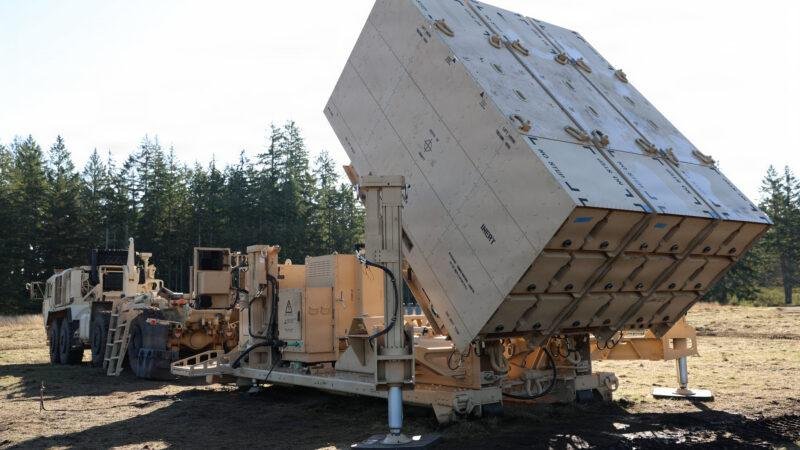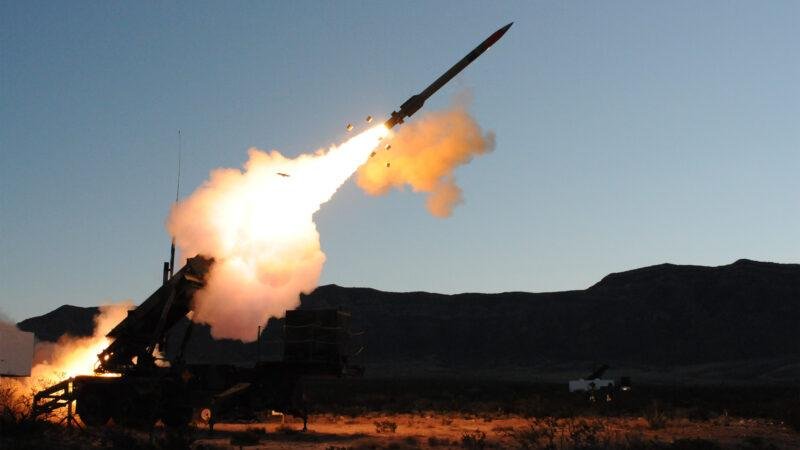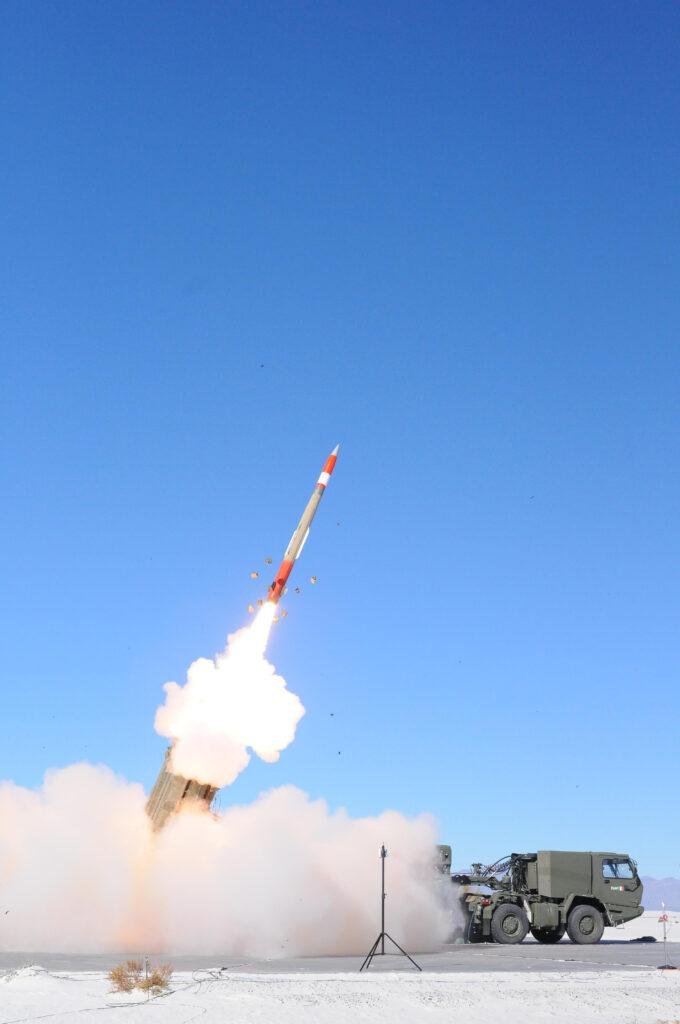
PAC-3 Edge, Lockheed Martin’s proposed next-generation Patriot interceptor, was unveiled on Oct. 9, 2026, as the company’s entry in the U.S. Army’s Future Interceptor competition. Lockheed says the missile combines a newly developed seeker, a multi-pulse rocket motor and upgraded flight controls to extend the capabilities of the existing PAC-3 Missile Segment Enhancement (MSE).
Lockheed announced that the Army had advanced its proposal to the next development stage. The company plans to begin testing in 2027, with a target of preparing the interceptor for deployment by 2031. Those dates remain development objectives rather than confirmed Army fielding milestones.
Tim Cahill, president of Lockheed Martin Missiles and Fire Control, told Breaking Defense that two companies had advanced in the competition. He did not identify the other participant, and the Army had not independently confirmed the selection details when the report was published.
New Seeker, Rocket Motor and Flight Controls
Lockheed describes three principal changes separating PAC-3 Edge from the existing PAC-3 MSE: a new seeker developed internally, a multi-pulse solid rocket motor designed by Northrop Grumman and improvements to the missile’s control system.
The seeker is being developed through Lockheed’s Strigo Product Center. The company says it has invested $250 million in the center to support advanced seeker development. Cahill separately told Breaking Defense that Lockheed plans to invest approximately $800 million in the new seeker technology, including money already committed.
Northrop Grumman’s contribution is a three-pulse solid rocket motor, according to Cahill. The design is intended to improve the interceptor’s ability to manage propulsion during flight, supporting greater engagement range and altitude. Lockheed also says upgraded controls will improve maneuverability against challenging targets.
The company identifies advanced aircraft, cruise missiles, ballistic missiles and hypersonic threats among the potential targets. However, Lockheed has not publicly released specific range, altitude, speed or interceptor cost figures. Its statements describe expected improvements, not independently demonstrated PAC-3 Edge performance.
How PAC-3 Edge Fits the Patriot Defense Network
PAC-3 Edge is intended to build on the existing Patriot interceptor family rather than introduce an entirely separate air defense architecture. Lockheed says the missile is being designed for integration with the Army’s Integrated Battle Command System, or IBCS, which coordinates sensors and weapons across integrated air and missile defense operations.
The company’s proposed launch options include the existing M903 launcher, containerized launchers and HIMARS Flex. These integration plans could give military operators additional options for deploying interceptors, although the announcement does not establish that PAC-3 Edge has completed compatibility testing with any of those launch configurations.
The new interceptor would complement Lockheed’s current PAC-3 products, including MSE and the proposed lower-cost PAC-3 ACE. The Army’s eventual requirements, integration decisions and procurement plans will determine how these weapons fit into future defensive formations.
Army Competition and Unanswered Questions
The Army’s effort to develop a successor to the existing Patriot interceptor has experienced changes in direction. Breaking Defense reported that the service announced plans in 2024 to cancel the Lower-Tier Future Interceptor program, which had involved competition between Lockheed Martin and Raytheon.
In October 2025, then-Army missile and space program executive officer Maj. Gen. Frank Lozano indicated that work toward a future interceptor program might resume, while acknowledging that important decisions remained unresolved.
Lockheed’s October 2026 announcement identifies PAC-3 Edge as part of the Army’s Future Interceptor competition and says its proposal has progressed. However, the Army had not publicly identified the other advancing company or disclosed a complete competition schedule in the reporting available at announcement time.
The distinction matters because advancement in a development competition does not constitute a production contract or a final selection. Lockheed has not announced a confirmed Army procurement quantity, contract value or operational acceptance date for PAC-3 Edge.
Camden Manufacturing and the Boeing Seeker
Lockheed intends to manufacture PAC-3 Edge through its existing PAC-3 production operations in Camden, Arkansas. Cahill told Breaking Defense that the company is modernizing production capacity as part of broader plans to increase PAC-3 MSE output.
The company is introducing additional automation and advanced manufacturing equipment while preparing facilities to support higher missile production rates. These investments primarily address current PAC-3 manufacturing requirements; they do not establish that PAC-3 Edge production has begun.
The new missile also raises an important supplier distinction. Boeing manufactures the seeker for the existing PAC-3 MSE interceptor. As The Aviation Diary previously reported, Boeing announced an approximately $14.7 billion contract action from Lockheed on Oct. 5 to expand MSE seeker production under a seven-year framework.
PAC-3 Edge instead proposes a Lockheed-developed seeker through the Strigo Product Center. The two announcements concern different technologies and development stages. Boeing’s contract supports existing MSE production; it should not be interpreted as an order for PAC-3 Edge seekers.
FAQ: PAC-3 Edge Interceptor
How is PAC-3 Edge different from PAC-3 MSE?
Lockheed proposes a new in-house seeker, a Northrop Grumman multi-pulse rocket motor and upgraded flight controls. The company says these changes are intended to extend engagement range, altitude and maneuverability beyond the current MSE.
Has the U.S. Army selected PAC-3 Edge for production?
No final production selection has been publicly established. Lockheed says its proposal advanced to another development stage, while the Army’s final competition outcome remains unconfirmed.
When will PAC-3 Edge enter service?
Lockheed plans to begin testing in 2027 and is targeting deployment readiness by 2031. These dates remain company objectives, not confirmed operational service dates.
Looking Ahead
Lockheed plans to display a full-scale PAC-3 Edge model at the Association of the U.S. Army conference beginning Oct. 12, 2026, followed by development testing targeted for 2027. The next significant questions concern the Army’s formal competition requirements, the identity of the other advancing bidder and whether testing validates the performance improvements Lockheed has described. Until those milestones are documented, the 2031 deployment objective remains a company target rather than a confirmed acquisition outcome.
Sources
- Lockheed Martin — PAC-3 Edge Announcement, Oct. 9, 2026
- Breaking Defense — Lockheed Unveils PAC-3 Edge, Oct. 9, 2026
- Boeing — PAC-3 MSE Seeker Production Expansion, Oct. 5, 2026
- U.S. Army / DVIDS — Accelerated PAC-3 MSE Production, April 2026