Lockheed Martin backlog reached a company record $292 billion at the end of the third quarter of 2026, the defense contractor reported on Oct. 22. Its new results show both strong order visibility and higher current sales, but the backlog figure is not cash already collected or products already delivered.
The company reported quarterly sales of $20.7 billion, up 11% from $18.6 billion in the comparable period last year. Net earnings rose to $1.8 billion, or $7.97 per diluted share, from approximately $1.6 billion.
Lockheed attributed a substantial part of its order book to missile defense, including $52.5 billion associated with a multiyear PAC-3 Missile Segment Enhancement interceptor production award. The release also updated the contractor’s full-year financial outlook.
Table of Contents
Lockheed Martin Backlog Expands 27% From June
The Lockheed Martin backlog of $292 billion was 27% higher than at the end of the second quarter, according to Lockheed Martin’s earnings release. A backlog is a measure of contracted or otherwise recorded future work under the company’s accounting policies, not a guarantee of immediate revenue.
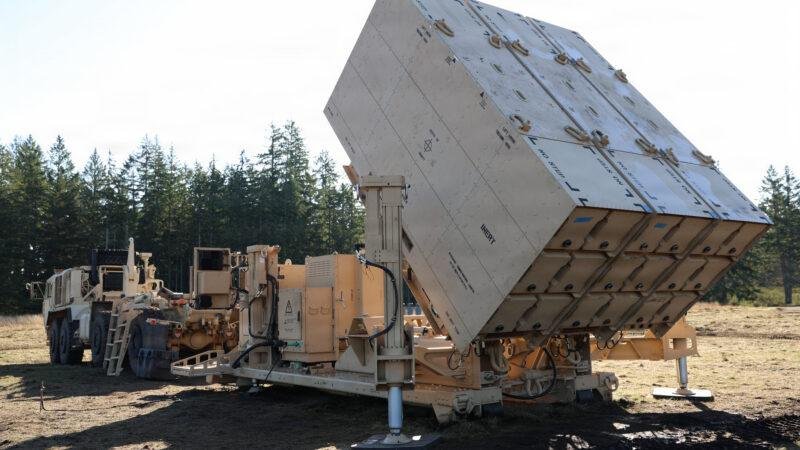
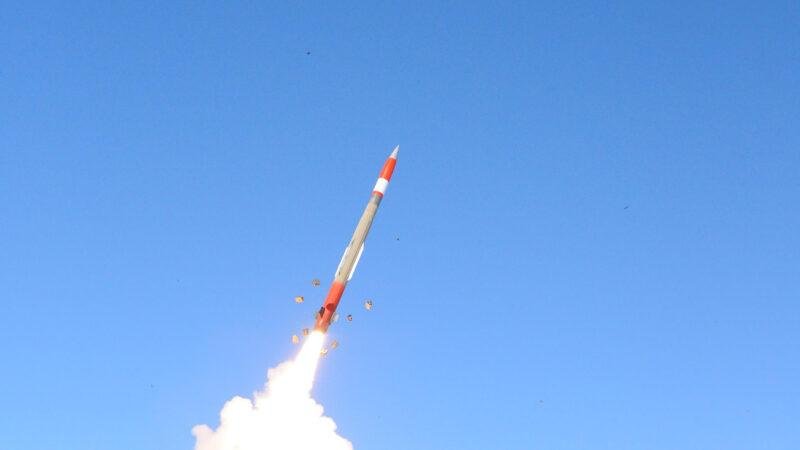
Of that total, the company identified $52.5 billion linked to the multiyear PAC-3 MSE production award. The missile-defense commitment is significant in size, but it does not mean the entire amount was earned in the third quarter or that every interceptor has already been manufactured.
The company reported $3.4 billion of cash from operations during the quarter, down from $3.7 billion a year earlier. Free cash flow was $3.0 billion, down from $3.3 billion. Cash measures therefore moved differently from revenue and earnings.
Lockheed said it raised its dividend for a 24th consecutive year. For the industrial base, the more relevant aviation and defense question is how long-dated procurement commitments translate into schedules, supplier orders and verified delivery capacity.
Aircraft and Missile Programs Have Distinct Timelines
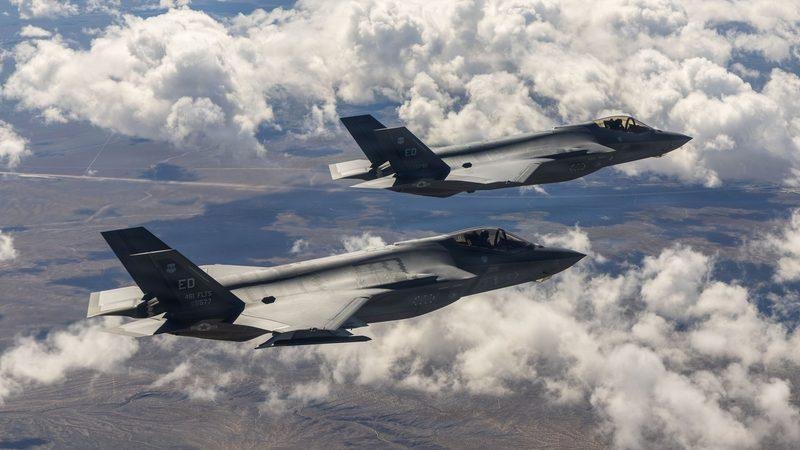
The Lockheed Martin backlog spans products made by a company that manufactures the F-35 fighter and C-130J transport aircraft alongside missile, space and other defense systems. Those programs have different customers, appropriations processes and production constraints, which is why the backlog must not be described as one aircraft order.
The company’s separate October 22 F-35 multiyear framework story on TAD concerns a proposed plan covering 850 U.S. aircraft over a decade. That framework is not identical to the $292 billion company-wide backlog reported in this earnings announcement.
TAD also previously covered Lockheed’s PAC-3 Edge development. The newly reported $52.5 billion backlog component concerns PAC-3 MSE production, not proof that the proposed Edge variant is already in mass production.
For readers following defense aviation, that separation matters. An earnings release can show demand across many products without setting a confirmed delivery date for a specific aircraft, missile variant or end user.
Sales, Profit and Cash Show Different Signals
Alongside the Lockheed Martin backlog increase, third-quarter operating profit was about $2.4 billion, compared with about $2.3 billion in the prior-year quarter. The company reported net earnings of about $1.8 billion, or $7.97 per share, while free cash flow edged lower despite the higher sales.
For the first nine months of 2026, reported sales were approximately $58.8 billion versus $54.7 billion during the equivalent period of 2025. Those totals indicate a year-to-date expansion in delivered work, although they cover more than the quarter under review.
Lockheed said the momentum supported another increase to its sales, earnings-per-share and free-cash-flow outlook for the year. A forecast remains forward-looking and can change with production, supply chains, customer decisions and the timing of government payments.
Investors may focus on whether the backlog converts to revenue; customers will look at cost, capability and schedules. Neither perspective can be answered by one headline number, particularly when government procurement extends across fiscal years.
FAQ: Lockheed Martin backlog
What is included in the Lockheed Martin backlog?
It represents recorded future work across the defense company, including $52.5 billion associated with PAC-3 MSE interceptor production.
Did Lockheed Martin report higher revenue in Q3 2026?
Yes. Quarterly sales reached $20.7 billion, approximately 11% more than the same period in 2025.
Is the $292 billion figure the value of the new F-35 framework?
No. The backlog is company-wide and should not be equated with the separately announced proposed F-35 procurement framework.
Looking Ahead
Lockheed will need to translate the expanded order book into funded programs, production output and customer deliveries. Future quarterly results will clarify the conversion rate, while individual program milestones remain subject to their own contract terms and government decisions.
Sources