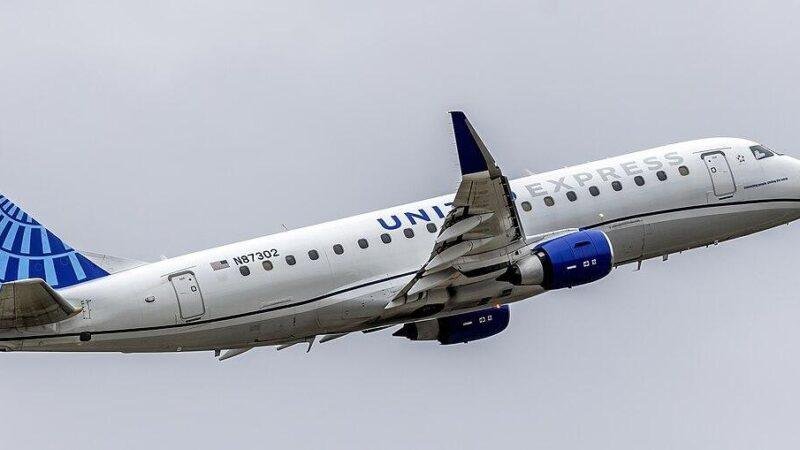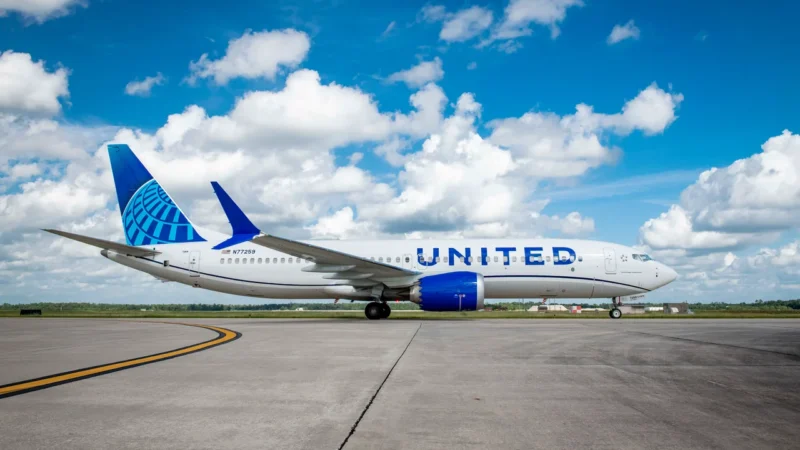
United flight emergency procedures were activated as Flight 1854 approached Houston on the evening of October 25, 2026. The airline confirmed that the Boeing 737 arriving from Grand Cayman declared an emergency after a mechanical indication, then landed safely.
The aircraft taxied normally and passengers disembarked at the gate, United said in a statement reported by local Houston news outlets. Federal Aviation Administration preliminary information referred to a possible landing-gear issue and low fuel, but it has not published a final finding.
The event is an operational safety story because an emergency declaration prompts preparation by pilots, controllers and airport responders. It does not establish that a landing-gear failure occurred, or that passengers were exposed to an accident.
Table of Contents
United Flight Emergency During the Houston Arrival
Flight UA1854 departed Owen Roberts International Airport on Grand Cayman for George Bush Intercontinental Airport. The Houston Chronicle reported that 83 passengers and six crew members were on board the flight, which was operated by a Boeing 737.
United’s account distinguished a mechanical indication from a confirmed mechanical failure. The airline said the aircraft completed the landing, taxied and reached a gate. No injury report was included in the company’s description of the event.
Public flight-status data put touchdown at approximately 8:12 p.m. Houston time, with the flight reaching its gate shortly afterward. These tracking times provide operational context but are not evidence of the cause of the emergency declaration.
FAA Examines Possible Gear and Fuel Reports
According to the Houston Chronicle’s account of preliminary FAA information, the crew reported a possible landing-gear problem and a low-fuel condition. Both points remain preliminary until investigators determine precisely what happened and what the aircraft systems indicated.
Air traffic controllers can give a flight priority during an emergency declaration and coordinate landing arrangements. Those procedures are intended to provide a margin of safety; their use by itself does not prove damage to the aircraft or a failure of any one component.
Online speculation about a gear that would not deploy should be treated with caution. United has not publicly specified a failed part, and the FAA’s investigation is the relevant process for distinguishing a cockpit indication from an actual equipment defect.
What Passengers Can and Cannot Infer
Passengers on the flight reached the terminal rather than being evacuated onto the runway, according to United’s statement. The carrier’s description also says the aircraft taxied normally, an important fact when assessing the immediate outcome of the event.
An emergency landing is a broad term covering many different circumstances. A precautionary declaration can be appropriate even when subsequent inspection shows a system was functioning normally; the published evidence does not yet establish which situation applied here.
The episode is distinct from earlier reports of other operational disruptions at Houston. TAD’s coverage of an FAA Boeing 737 equipment directive deals with a separate issue and should not be read as a cause of Flight 1854’s emergency.
FAQ: United flight emergency
Did the United flight emergency end in an accident?
No accident was reported. United said Flight 1854 landed safely and passengers left through the gate.
What caused United Flight 1854 to declare an emergency?
The airline confirmed a mechanical indication. Preliminary FAA information mentioned possible landing-gear trouble and low fuel; the precise cause remains under investigation.
Were passengers injured during the Houston landing?
United reported a safe landing and normal deplaning. Available accounts did not report injuries.
Looking Ahead
The FAA said it was investigating the incident. A final technical explanation, if published, would determine whether a gear component malfunctioned or whether the crew responded to an indication that did not reflect an actual failure.
Sources
- Houston Chronicle: United and FAA statements, October 26
- KPRC/Click2Houston: United flight emergency, October 25
- Airportia: UA1854 October 25 schedule and arrival