Japan AMRAAM facility plans advanced on Oct. 28 when Japanese and U.S. defense leaders agreed to establish a final-assembly and checkout operation for the air-to-air missile in Japan. The commitment was recorded in Japan’s official summary of a bilateral ministerial meeting held in the Philippines.
The governments also discussed production cooperation for the SM-3 Block IIA interceptor and wider efforts to strengthen the alliance. Japan did not announce an AMRAAM factory opening date, missile quantity or contract value. The agreement is an industrial cooperation decision, not a declaration that deliveries have started.
Table of Contents
Japan AMRAAM Facility Becomes a Joint Priority
Japan’s Ministry of Defense statement says the ministers agreed to establish an AMRAAM final-assembly and checkout facility, commonly called FACO. Such a facility is associated with the latter manufacturing stages and verification needed before equipment can be delivered to a customer.
The announcement does not specify whether Japan will manufacture every component of the missile locally or rely on assemblies supplied by U.S. producers. Final assembly and checkout should not be described as a fully independent domestic missile supply chain without additional contract or technology-transfer evidence.
Officials framed the AMRAAM decision as part of Operation Supercharge, the alliance effort to accelerate defense equipment and technology cooperation. In the same discussions, the two sides agreed to exchange technical information necessary to support increased SM-3 Block IIA production, which is a separate interceptor program.
Air Defense and Supply-Chain Context
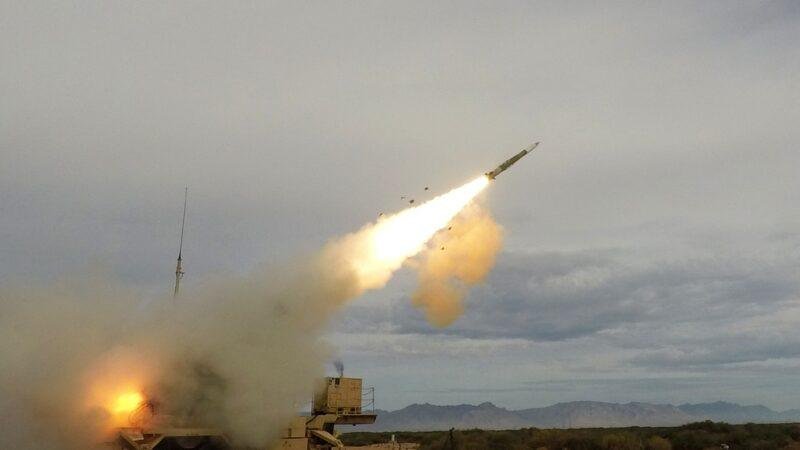
AMRAAM is a beyond-visual-range air-to-air missile used by fighter aircraft. Local final assembly could affect the way a country manages quality checks, supply schedules and industrial participation. The October announcement, however, gives no figures showing how many additional missiles the proposed Japanese operation might supply.
Japan and the United States also discussed integrated air and missile defense against the backdrop of increased regional military activity. The ministry described additional cooperation on air dispersal, access to facilities and more realistic bilateral training. Those political objectives are broader than the details of one missile assembly site.
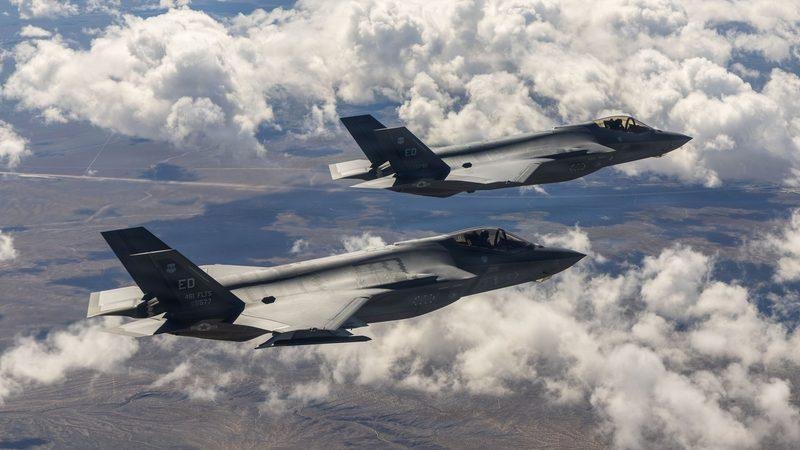
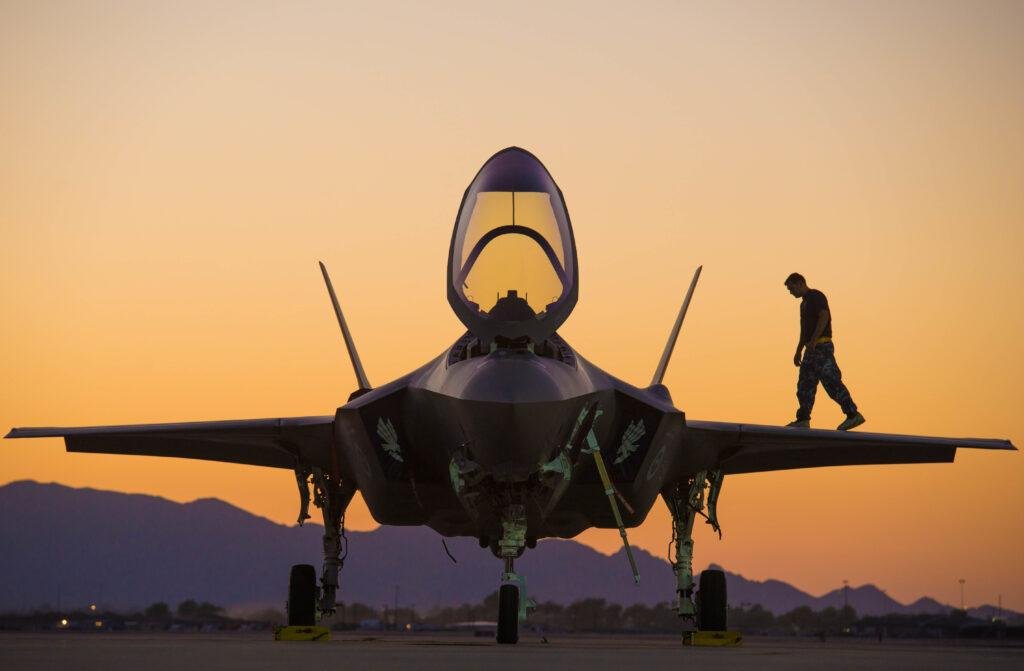
TAD has previously covered the U.S. F-35 production framework, a distinct fighter-aircraft manufacturing proposal. Although both subjects affect allied airpower, the F-35 framework is not evidence of financing, location selection or a construction award for Japan’s proposed AMRAAM facility.
What the Agreement Does Not Yet Establish
The meeting summary does not identify the company that would operate the facility, a preferred prefecture or the division of work between Japanese and U.S. suppliers. It also does not say that Tokyo has signed a specific missile-purchase amendment as a result of the FACO decision.
These limits are important because an agreement to create capacity is different from delivery of operational weapons. Factory site selection, manufacturing agreements, technology safeguards and verification procedures may all be needed before a local assembly operation produces its first accepted missile.
The governments also reaffirmed plans for closer training, enhanced deterrence and stronger cooperation on cyber security. None of those wider commitments should be reported as a completed AMRAAM production milestone. The documented result on Oct. 28 was the ministerial agreement to establish the Japanese FACO capability.
The Japanese announcement also discussed a need for closer cooperation during peacetime and contingencies. That wider defense posture gives context to the FACO decision, but the ministry did not assign a missile-production target to the meeting. The industrial agreement should be evaluated on its own eventual implementation milestones.
FAQ: Japan AMRAAM facility
What is the Japan AMRAAM facility meant to do?
It is intended to support final assembly and checkout of AMRAAM air-to-air missiles in Japan under bilateral cooperation.
Has construction of the facility started?
The Oct. 28 ministry summary does not provide a construction start date or a confirmed operating location.
Is the SM-3 agreement the same project?
No. Ministers separately discussed exchanging technical information to enable increased production of the SM-3 Block IIA interceptor.
Looking Ahead
The next reportable milestones for the Japan AMRAAM facility will be an identified industrial operator, site selection, funding arrangement and verified assembly schedule. Neither government supplied those dates in the Oct. 28 statement.
Sources
Japan Ministry of Defense meeting summary