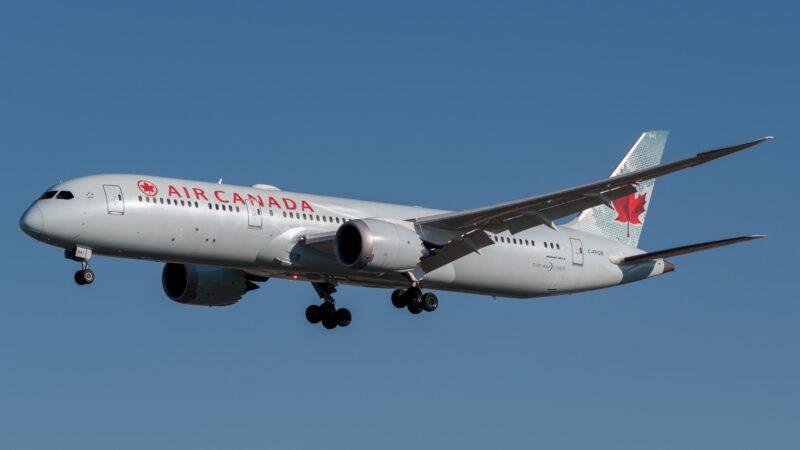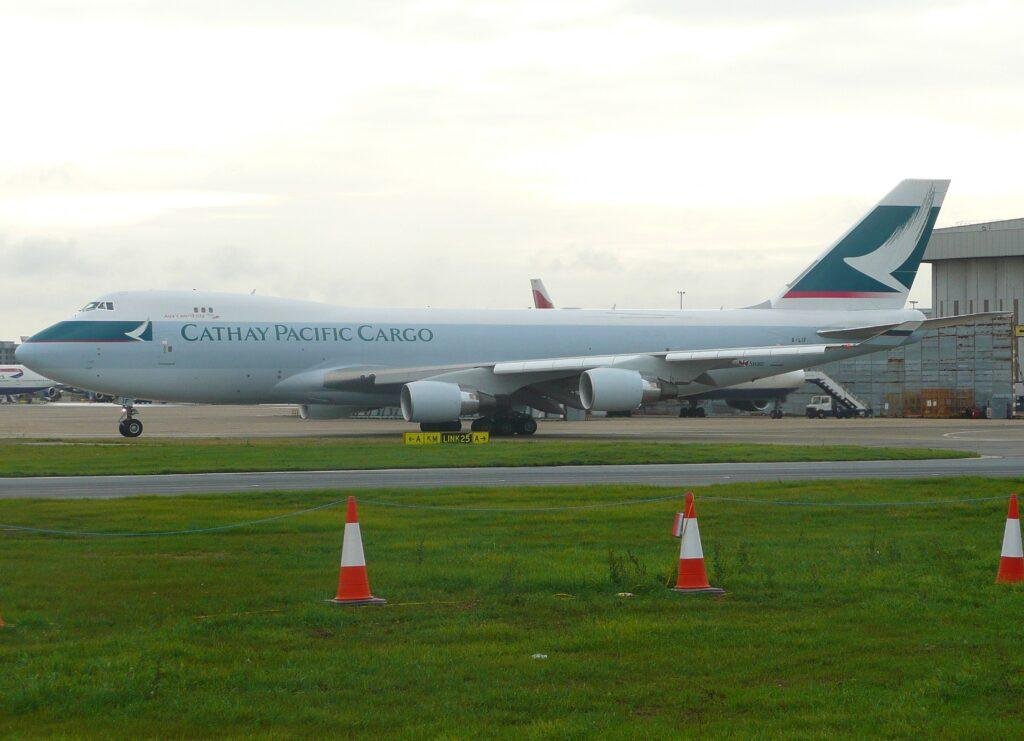
Boeing 747 fuel pump inspections are being expanded under an FAA airworthiness directive published Nov. 2 that replaces an earlier rule from 2023. The new requirements address potential wear in transfer-pump components associated with the horizontal stabilizer fuel tank of certain 747-400 and 747-8 aircraft.
The final directive, AD 2026-22-04, takes effect Dec. 7, 2026. It introduces repetitive detailed inspections and corrective measures for components that might develop wear, as well as restrictions on installing affected parts without the required checks.
The agency described a potential ignition hazard inside a fuel tank, not a documented fuel-tank explosion involving the aircraft pictured with this article. The regulatory action is intended to reduce that risk before an accident occurs.
Table of Contents
Boeing 747 fuel pump inspections replace 2023 rule
The earlier directive, AD 2023-07-09, required checks for wear of transfer-pump housing inlet check valves and motor impeller inlet adapters. The FAA said Boeing subsequently developed further action to address the unsafe condition, resulting in the new rule and its recurring inspection requirements.
The affected equipment is associated with the horizontal stabilizer fuel tank. Wear can occur when a check valve contacts the inlet adapter of the pump impeller. The regulator warned that damage could create an ignition source if flammable fuel vapors are present, with the possible consequence of an explosion and loss of the airplane.
That description is a regulatory hazard assessment. It does not establish that every 747 of either model has an affected pump assembly, nor does it identify a particular cargo airline as noncompliant. Applicability depends on aircraft and equipment listed in the referenced Boeing requirements bulletin.
Required actions and affected components
The final rule incorporates Boeing Alert Requirements Bulletin 747-28A2373 RB, dated Nov. 6, 2025. It calls for detailed inspections of check valves and motor impeller inlet adapters, with replacement of damaged components or assemblies as required by the findings.
The FAA also restricted future installation of certain Crane Aerospace Hydro-Aire pump housings, check valves and impellers unless the specified inspections establish their serviceability. Such parts controls are intended to prevent a suspect component from re-entering service through later maintenance or inventory movement.
The rule allows special flight permits under defined safeguards, including defueling the horizontal stabilizer tank and securing the relevant pump circuit breakers open. Operators must follow the specific conditions in the regulation; the existence of a permit mechanism is not unconditional permission to fly an aircraft with unresolved discrepancies.
FAA responses to industry comments
During the rulemaking, Turkish Airlines asked the FAA to narrow or clarify which 747 configurations were covered. The agency rejected that request, saying the Boeing requirements bulletin provides a definitive list and that checking configuration is part of deciding which work applies to an airplane.
The FAA described this directive as an interim action. It noted that related pump designs are also used in other fuel tanks, but those tanks were not assessed as subject to the same unsafe condition under the current pump shutoff logic. Future findings could prompt further action; none was adopted in this particular rule for those other tanks.
For another example of aircraft-specific FAA action, The Aviation Diary previously reported on Boeing 737NG inspection requirements. That separate directive should not be confused with this 747 fuel-system rule.
FAQ: Boeing 747 fuel pump
Which aircraft are subject to Boeing 747 fuel pump inspections?
Certain Boeing 747-400 and 747-8 airplanes identified in the referenced Boeing alert requirements bulletin are covered by the new FAA directive.
What components must be checked?
The rule targets horizontal stabilizer fuel-tank transfer-pump inlet check valves and motor impeller inlet adapters for damage and wear.
When does the new inspection rule apply?
AD 2026-22-04 is effective Dec. 7, 2026, and specifies recurring inspections and installation restrictions under its compliance terms.
Looking Ahead
Airlines and maintenance providers must determine applicability and schedule the required repetitive checks. The FAA may reconsider related fuel-tank hardware if new evidence changes its safety assessment. This rule does not announce a general grounding of the 747 fleet.
Sources