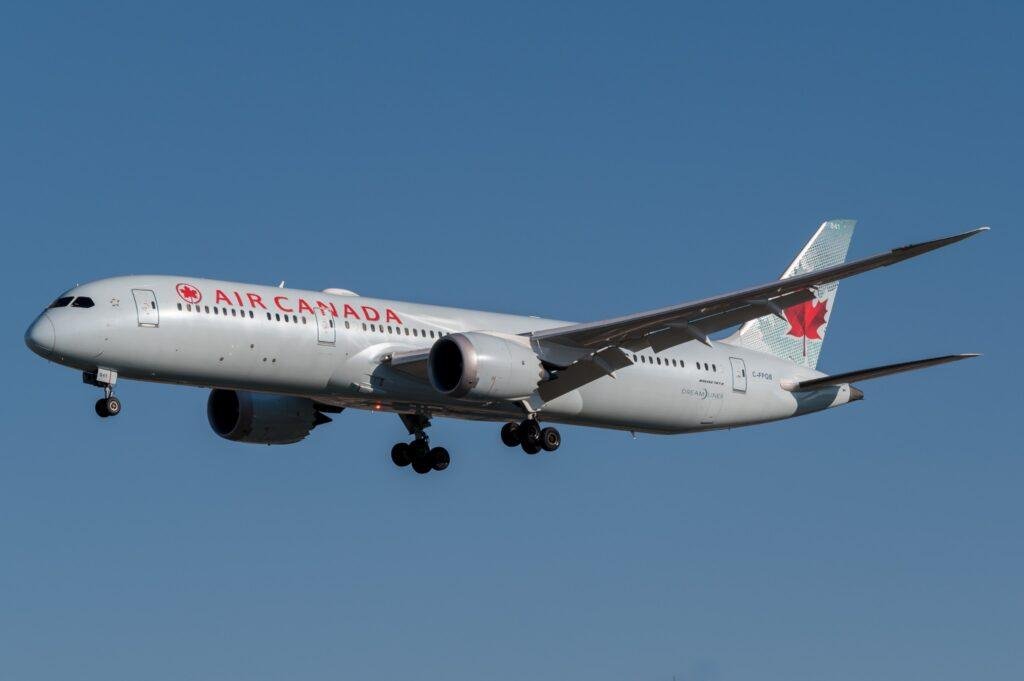
Boeing 787 altimeter equipment must be modified on certain Dreamliner aircraft under an FAA airworthiness directive published in the Federal Register on Nov. 9. The rule, AD 2026-22-09, concerns unreliable low-range radio-altimeter data during approach and landing and becomes effective Dec. 14, 2026.
The directive covers specified Boeing 787-8, 787-9 and 787-10 airplanes. It requires operators to replace left and right low-range radio-altimeter transmit and receive coaxial cables with larger-gauge cables to address reports of non-computed data output at low altitudes.
This is a final airworthiness directive requiring corrective work, not an order grounding the entire 787 fleet. Applicability depends on the airplanes and configurations identified in the regulation.
Table of Contents
Boeing 787 altimeter faults prompt cable replacements
The FAA says the low-range radio-altimeter system has shown an increased rate of non-computed data outputs near the ground. Such interruptions can undermine the reliability of a system used during a critical phase of flight, when crews and aircraft systems are preparing for landing.
The required remedy is physical: replacement of the left and right transmit and receive coaxial cables with larger-gauge cables in accordance with the specified Boeing service information. The regulator does not describe the modification as merely a software setting or a new pilot procedure.
The FAA issued a proposal in February 2026 and then considered industry comments before adopting the final rule. Its stated safety concern is that unreliable altimeter outputs could affect continued safe flight and landing if left unresolved.
The notice does not say that every 787 has exhibited the problem or that a specific incident was caused by the cable configuration. The rule applies only where the directive’s applicability criteria are met.
Airlines raised practical service-bulletin questions
Air Canada, United Airlines, EVA Air and Turkish Airlines were among the parties that commented on the proposal. Several asked the FAA to account for a revised Boeing service bulletin issued in August 2025 because the revision corrected kits, consumables or instructions used for the maintenance work.
The resulting final rule addresses the comments and identifies approved service information and compliance instructions. Operators must consult the exact directive and the referenced maintenance documents rather than rely on a generic description of a cable replacement.
Industry participation in the rulemaking is not evidence that a carrier resisted correcting an unsafe condition. The comments concern which technical instructions and previously completed actions can demonstrate compliance under the final directive.
The regulator’s public process also distinguishes an airworthiness concern from the separate questions of airline schedules, the cost of individual aircraft downtime and whether a given operator has already completed the modification.
Effective date differs from the maintenance deadline
The directive takes effect Dec. 14, 2026, establishing the date on which the final rule becomes legally operative. Actual compliance timing is set by the directive’s instructions and applicable service information. A published effective date should not be reported as the date every airplane must already have new cables installed.
The FAA estimates the rule applies to 169 airplanes on the U.S. registry. That figure is the regulator’s scope estimate, not a count of aircraft known to have suffered unreliable altimeter performance or a count of worldwide 787 deliveries.
The new rule is separate from a recent FAA directive on fuel-tank sealant checks, previously reported in TAD’s Boeing 787 inspection coverage. Both concern Dreamliner safety but involve different systems, maintenance actions and regulatory documents.
Operators and maintenance organizations should use the complete FAA Federal Register directive for the affected configurations, deadlines and approved methods of compliance. A summary cannot replace those regulatory requirements.
FAQ: Boeing 787 altimeter
Which aircraft are covered by the Boeing 787 altimeter directive?
The FAA identifies certain Boeing 787-8, 787-9 and 787-10 airplanes. Operators must check the directive’s detailed applicability instructions for each aircraft.
When does the new rule take effect?
AD 2026-22-09 becomes effective Dec. 14, 2026. The separate compliance instructions determine when the required work must be finished.
Does the FAA directive ground all Dreamliners?
No. The document mandates corrective maintenance for affected aircraft, but it is not a fleetwide 787 grounding order.
Looking Ahead
The immediate milestone is the Dec. 14 effective date. Airlines and maintenance organizations must follow the specific directive’s compliance requirements and document any previously completed corrective actions as allowed by the FAA.
Sources