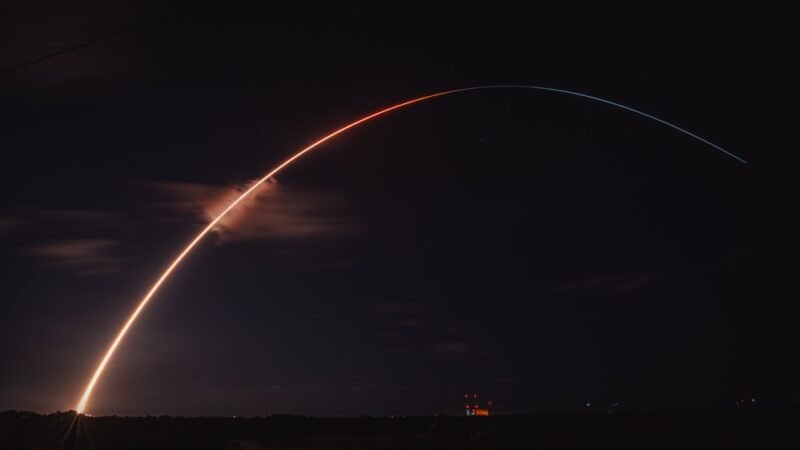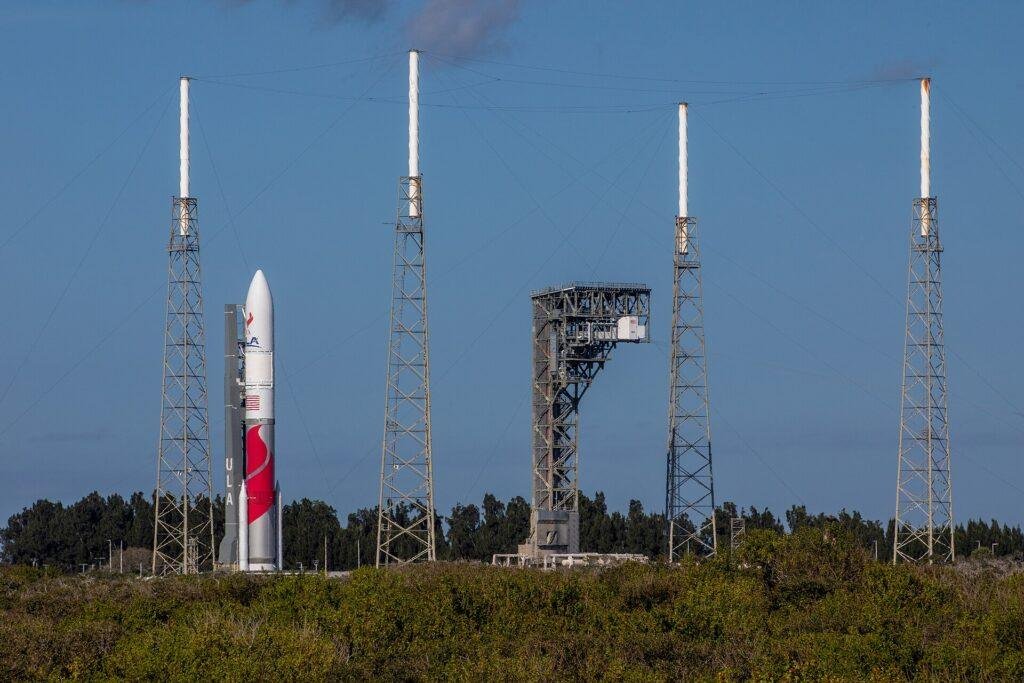
The ULA Vulcan launch carrying 40 Amazon Leo satellites was postponed a second time on Nov. 14, 2026, after a communications problem developed between the launch vehicle and ground equipment at Cape Canaveral. United Launch Alliance said troubleshooting would extend beyond the available 29-minute launch window, making another same-day attempt impractical.
The company set a new target of Sunday, Nov. 15, at 12:11:30 p.m. Eastern, pending range approval. ULA stated that the rocket and spacecraft remained healthy. Saturday's issue differed from the power interruption at an off-site gaseous-nitrogen facility that disrupted the first attempt on Friday, Nov. 13.
Table of Contents
ULA Vulcan launch hit a new ground-to-rocket issue
ULA described the latest problem as network communication trouble between ground equipment and the vehicle. The announced remedy required reconfiguration rather than a quick restart inside the same launch opportunity. The company did not identify a specific faulty network component, establish the initiating cause or suggest that the satellite payloads were damaged.
For an orbital launch, the timing of liftoff must match the mission's planned trajectory and launch-range constraints. Even if a vehicle is physically ready, work that extends beyond a prescribed window can force a scrub rather than an unplanned late departure. The 29-minute window cited by ULA is therefore a meaningful operational limit, not just an estimate of television coverage.
Friday's scrub involved the gaseous-nitrogen system
The first delay followed a power interruption at an Air Liquide gaseous-nitrogen plant and the loss of high-pressure pumps, according to ULA's Friday statement. Such ground infrastructure is a different system from the flight vehicle and its onboard engines. ULA did not describe the Friday event as a failed in-flight test or rocket hardware malfunction.
TAD's initial Vulcan delay report documented the nitrogen-related postponement. Saturday adds a separate technical complication and a revised launch target, making the latest report a genuine follow-up. Both causes should remain distinct; merging them into a single generic rocket failure would obscure what the operator actually disclosed.
Amazon Leo needs the mission's 40 satellites
Amazon identifies the flight as Leo LV-01, a mission using ULA's Vulcan rocket to deploy 40 broadband satellites. The launch is part of the company's effort to develop a large low-Earth-orbit communications constellation. An individual successful mission contributes capacity, but it does not by itself establish that commercial service is available everywhere or that the full planned network has been completed.
Amazon says it has invested in launch-support infrastructure at Cape Canaveral, including an additional vertical integration facility and mobile launch platform intended to support preparation of more than one Vulcan mission. Those investments are meant to increase launch throughput over time. They cannot eliminate all delays caused by range conditions, vendor equipment or communications verification on an individual countdown.
Return-to-flight stakes extend beyond this launch
The mission is also notable as a planned return to flight for Vulcan after an extended interval. Previous flights brought attention to solid-rocket-booster nozzle performance, and the next launch is being watched for evidence that corrective measures perform as intended. ULA's Nov. 14 network issue did not itself demonstrate a new nozzle problem, and a successful launch would still require full flight and payload-deployment results.
Amazon's published launch plan describes satellite deployment after ascent to low Earth orbit. That event has not occurred merely because another date was announced. A launch target is an intention conditioned on readiness, and reliable reporting must distinguish vehicle health statements from demonstrated orbit and satellite separation.
FAQ: ULA Vulcan launch
Why was the ULA Vulcan launch delayed on November 14?
ULA said a network communication problem between ground equipment and the launch vehicle required reconfiguration beyond the available launch window.
Is the Amazon Leo rocket damaged?
The company reported that the Vulcan vehicle and its 40-satellite payload remained healthy after Saturday's scrub.
When is the next announced launch attempt?
ULA targeted Nov. 15 at 12:11:30 p.m. EST, subject to launch-range approval and subsequent operational checks.
Looking Ahead
The next decision is whether range officials and ULA approve the revised Sunday window. Actual mission success can only be assessed after liftoff and the required spacecraft-deployment milestones, not from the updated schedule alone.
Sources
- SpacePolicyOnline chronology reproducing ULA's Nov. 13 and 14 launch updates
- Amazon description of the 40-satellite Vulcan mission
- Florida Today reporting on the second scrub