The Boeing 737 MAX 7 FAA Certification marks one of the most significant milestones for Boeing’s commercial airplane division in recent years. After an extensive certification campaign involving years of engineering improvements, regulatory oversight, and flight testing, the U.S. Federal Aviation Administration (FAA) has issued an amended type certificate for the newest member of the 737 MAX family — officially designated the 737-7 and marketed by Boeing as the 737 MAX 7.
The certification allows Boeing to begin delivering the aircraft to customers, ending a lengthy approval process that became one of the aviation industry’s most closely watched certification programs.
As the launch customer, Southwest Airlines is expected to be among the first airlines to introduce the Boeing 737 MAX 7 into commercial service once deliveries begin.
Table of Contents
FAA Certification Clears the Way for Deliveries
The amended type certificate confirms that the aircraft complies with current FAA airworthiness standards and authorizes Boeing to begin customer deliveries.
Certification follows one of the most comprehensive evaluation programs ever completed for a Boeing narrow-body aircraft, involving thousands of engineering hours, extensive flight testing, and close collaboration between Boeing and the FAA.
According to the FAA, the approval validates years of technical work completed under enhanced certification requirements introduced following changes to U.S. aircraft certification laws.
Boeing 737 MAX 7 FAA Certification Required Significant Safety Improvements
Unlike previous generations of commercial aircraft, the Boeing 737 MAX 7 FAA Certification process required Boeing to satisfy a series of enhanced safety and engineering requirements before approval was granted.
Before issuing the amended type certificate, the FAA required Boeing to complete several important improvements, including:
- Updated flight-control software
- Enhancements to the flightcrew alerting system
- A redesigned engine anti-ice system
- Additional system safety evaluations required under the Aircraft Certification, Safety, and Accountability Act
These improvements were reviewed through extensive engineering analysis, flight testing, and regulatory oversight before the aircraft received certification.
The FAA stated that the aircraft now meets today’s more rigorous certification standards.
Why Did Certification Take So Long?
The certification timeline reflects the broader transformation of aircraft certification following the worldwide grounding of the 737 MAX fleet after two fatal accidents involving 737 MAX 8 aircraft: Lion Air Flight 610 in October 2018 and Ethiopian Airlines Flight 302 in March 2019, which together claimed 346 lives. The entire 737 MAX fleet was grounded worldwide for roughly 20 months as investigators traced both crashes to a flight-control system called MCAS.
Since then, the FAA has implemented significantly more comprehensive certification procedures that require greater engineering scrutiny, independent technical reviews, and additional system evaluations before approving new aircraft variants.
Rather than simply certifying another member of the MAX family, regulators treated the Boeing 737 MAX 7 FAA Certification as an opportunity to apply these strengthened oversight standards throughout the evaluation process.
Why the Boeing 737 MAX 7 Matters
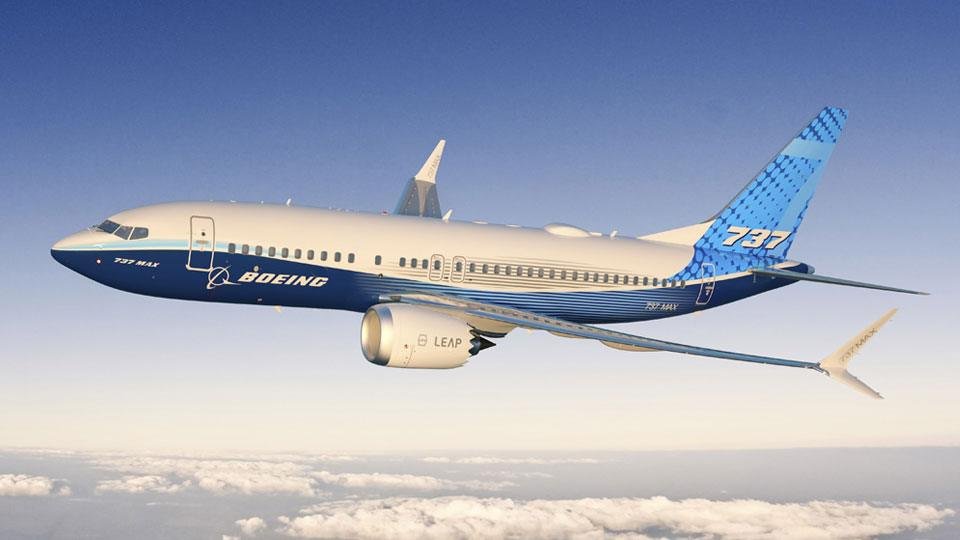
The Boeing 737 MAX 7 is the smallest aircraft in the current 737 MAX family and is designed for airlines operating short- and medium-haul routes.
The aircraft typically accommodates between 135 and 160 passengers, depending on cabin configuration, and offers a maximum range of approximately 3,800 nautical miles (7,040 km).
Its performance makes it particularly attractive for:
- High-altitude airports
- Hot-weather operations
- Thin domestic routes
- Regional international services
Boeing currently has approximately 282 unfilled orders for the MAX 7, with Southwest Airlines representing the largest customer for the aircraft.
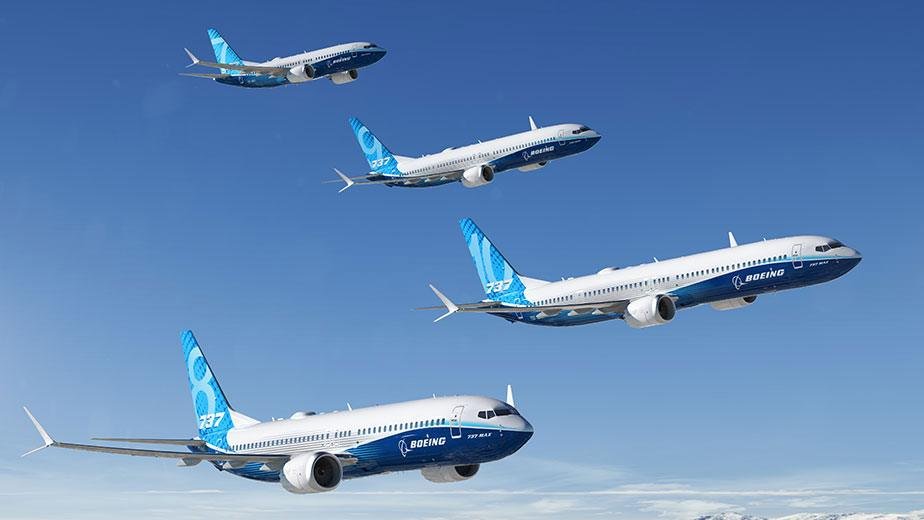
Boeing 737 MAX Family
What Boeing Said
Following certification, Boeing Commercial Airplanes President Stephanie Pope thanked employees involved in the years-long effort.
She described the approval as recognition of the engineering, testing, and certification work completed across the 737 MAX program while emphasizing that lessons learned throughout the certification process continue to benefit both the MAX family and future aircraft programs.
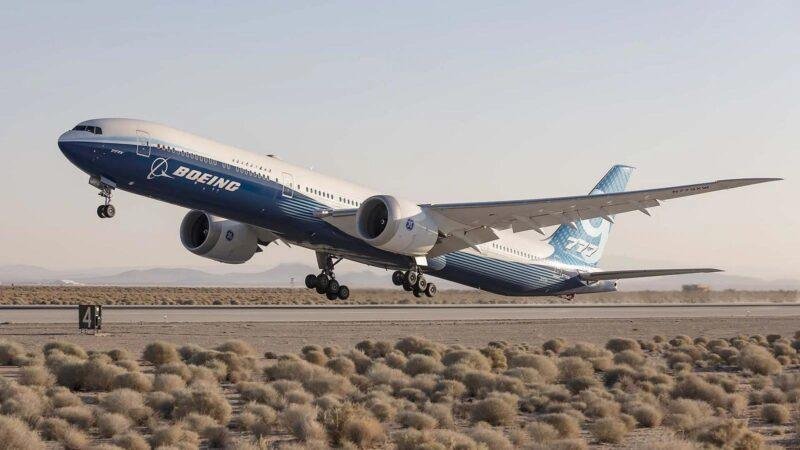
Boeing also stated that knowledge gained during the MAX 7 certification is already supporting ongoing work on the 737 MAX 10 and the 777X programs.
Readers can view Boeing’s complete announcement on Boeing’s official press release.
What Comes Next?
FAA certification now allows Boeing to begin delivering the aircraft to customers after completing final production and customer acceptance procedures.
Industry attention will now shift toward certification of the larger 737 MAX 10, whose certification flight-testing campaign was recently completed.
Approval of the MAX 10 would complete certification across the entire current Boeing 737 MAX family and represent another important step in Boeing’s commercial recovery.
Official FAA Statement
The FAA confirmed that it had signed the amended type certificate for the Boeing 737 MAX 7 after verifying compliance with applicable certification requirements.
Readers can review the regulator’s complete announcement on the FAA’s official certification statement.
FAQ: Boeing 737 MAX 7 Certification
What’s the difference between the Boeing 737 MAX 7 and the 737-7?
They’re the same aircraft. The 737-7 is Boeing’s official type-certificate designation, while “737 MAX 7” is the marketing name used for the smallest variant in the current 737 MAX family.
How many passengers does the Boeing 737 MAX 7 carry?
The aircraft typically seats between 135 and 160 passengers depending on cabin configuration, with a maximum range of roughly 3,800 nautical miles.
What happens next for the Boeing 737 MAX family?
With the MAX 7 now certified, attention shifts to the larger 737 MAX 10, whose certification flight-testing campaign has recently been completed. Its approval would complete certification across the entire current MAX family.
What This Certification Means for the Industry
The Boeing 737 MAX 7 FAA Certification represents far more than approval for a single aircraft model. It reflects years of engineering refinement, expanded regulatory oversight, and one of the aviation industry’s most closely examined certification programs.
For Boeing, the certification allows long-delayed customer deliveries to begin while reinforcing confidence in the company’s ability to certify future aircraft under today’s more demanding regulatory environment.
With the MAX 7 now approved, industry attention is expected to focus on certification of the 737 MAX 10 and continued progress across Boeing’s commercial aircraft portfolio.
Sources
For additional information about this story:
- FAA — Statement on Certification of Boeing 737 MAX 7
- Boeing — U.S. FAA Certifies New Boeing 737-7 Airplane