Airbus Japan approval has expanded the engineering authority of Airbus Helicopters in Kobe after the Japan Civil Aviation Bureau granted Design Organisation Approval on Oct. 29, 2026. Airbus says the authorization permits its Japanese organization to undertake and approve a wider range of aircraft modifications using the country’s accepted regulatory process. This is an engineering certification decision, not an announcement of a new aircraft order.
The approval applies across Airbus helicopter models operated in Japan, including the H160 and the H225, according to the manufacturer. Airbus presented it as a way to reduce the coordination needed for specialized missions and structural changes. It will operate alongside production and maintenance approvals already held in the country.
Table of Contents
Airbus Japan Approval Extends Engineering Authority
Airbus described the JCAB decision as recognizing engineering arrangements based on the European aviation authority’s Part 21 approach. The approval covers tasks associated with specialized Supplemental Type Certificate equipment packages and complex structural modifications. It gives a clearer local route for designing, assessing, producing and approving custom modifications to aircraft already in service.
The primary announcement provides the source details behind this report.
Previously, Airbus said, some customization projects required multiple stages of application and on-site observation of tests by the regulator. The new arrangement allows a more integrated workflow at the Kobe center. This should not be read as removing JCAB oversight: the authority grants approved powers within an established airworthiness framework rather than placing aircraft modifications outside regulation.
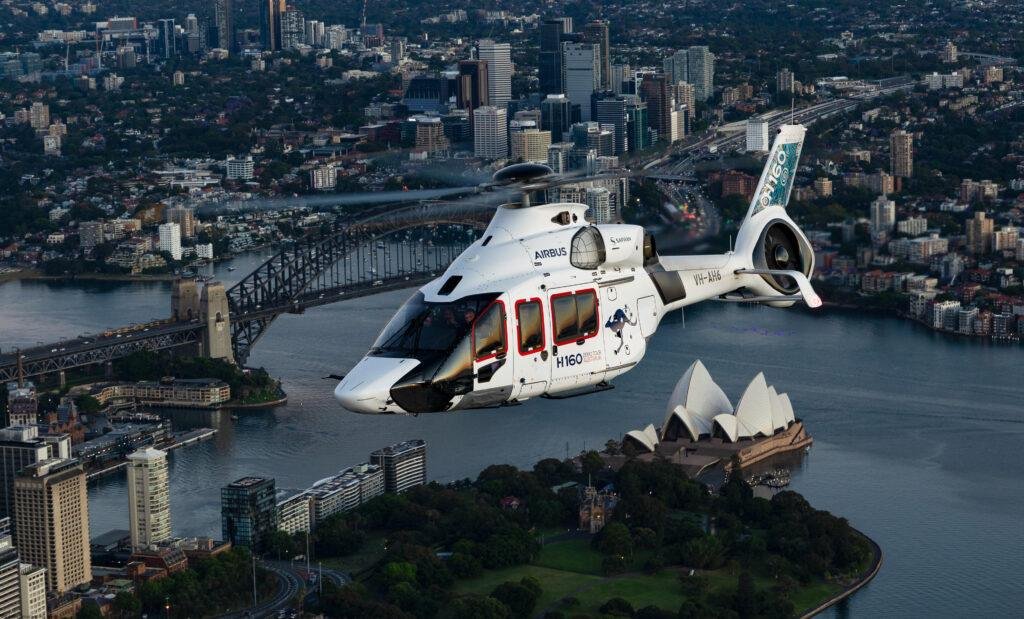
H160 and H225 Among Covered Helicopter Types
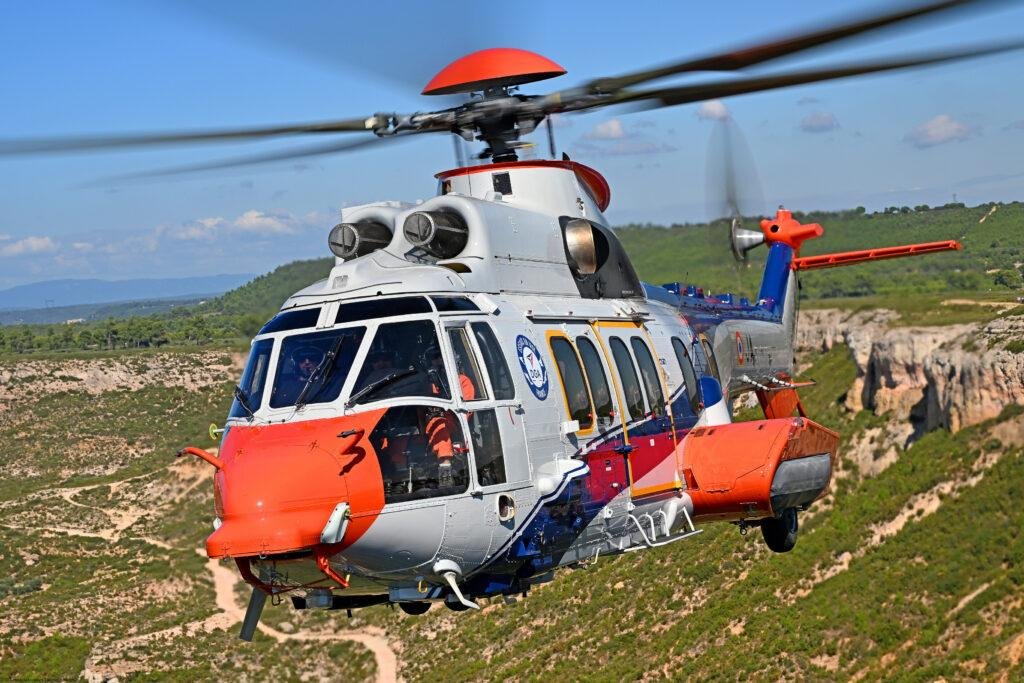
The approval is not limited to a single prototype or niche aircraft. Airbus specifically named the H160 and the heavy-lift H225 among the models covered. These helicopters can serve different civil and public-service operators, whose mission requirements may call for specialized equipment, cabin layouts, aircraft structures or operating provisions.
The significance is therefore in how operators obtain tailored configurations, rather than a claim that either model has received a new base type certificate. A helicopter operator may still require a separate project-specific approved kit or modification. The October announcement describes the organizational competence to process such work, not a blanket release of every future design.
Kobe Center Combines Design and Support Functions
Airbus said its Japanese operation employs about 400 people across Tokyo and Kobe. The Kobe center provides aircraft completion, engineering, maintenance, technical support, training and spare-parts services. Its site was expanded in 2020 and can hold up to 40 medium-sized helicopters at once, according to the manufacturer’s account.
Airbus also cited capacity for more than 80 major maintenance, repair and modification projects annually. That is an existing facility capability, not a forecast of new contract wins from the JCAB approval. By locating design and maintenance functions within the same organization, the company argues it can shorten some aircraft downtime between modification and return to service.
Regulatory Scope Matters More Than a Fleet Number
Airbus characterized itself as the only foreign helicopter manufacturer in Japan with this end-to-end local design authorization. That is a company assertion about its approval position, not a fresh count of aircraft sold or a promise that all customers will choose Airbus services. There were no aircraft delivery figures in the announcement.
The practical test of the new approval will be how quickly individual modification projects pass through engineering review, installation and flight checks. Those outcomes depend on the project and the operator. The statement did not give a first customer, completed certification package or publicly scheduled date for the first design approved under the expanded authority.
For relevant background, TAD has also covered flight-test and development work elsewhere in the Airbus helicopter family.
FAQ: Airbus Japan approval
What does Airbus Japan approval from JCAB permit?
It gives Airbus Helicopters Japan Design Organisation Approval for local engineering design and modification work under the accepted regulatory framework.
Does the approval cover the H160?
Yes. Airbus cited the H160 and H225 among its helicopter models operating in Japan that fall under the authorization.
Does this mean Japan ordered more helicopters?
No. The announcement concerns regulatory authority for design activities, not a purchase or delivery contract.
Looking Ahead
Airbus Japan approval will matter most when a completed modification project demonstrates the new local route from design to flight acceptance. Airbus did not announce a specific first customer or new order associated with the decision. The next useful reporting milestone is a documented JCAB-approved modification or customer application under the Kobe team’s expanded authority.
Sources